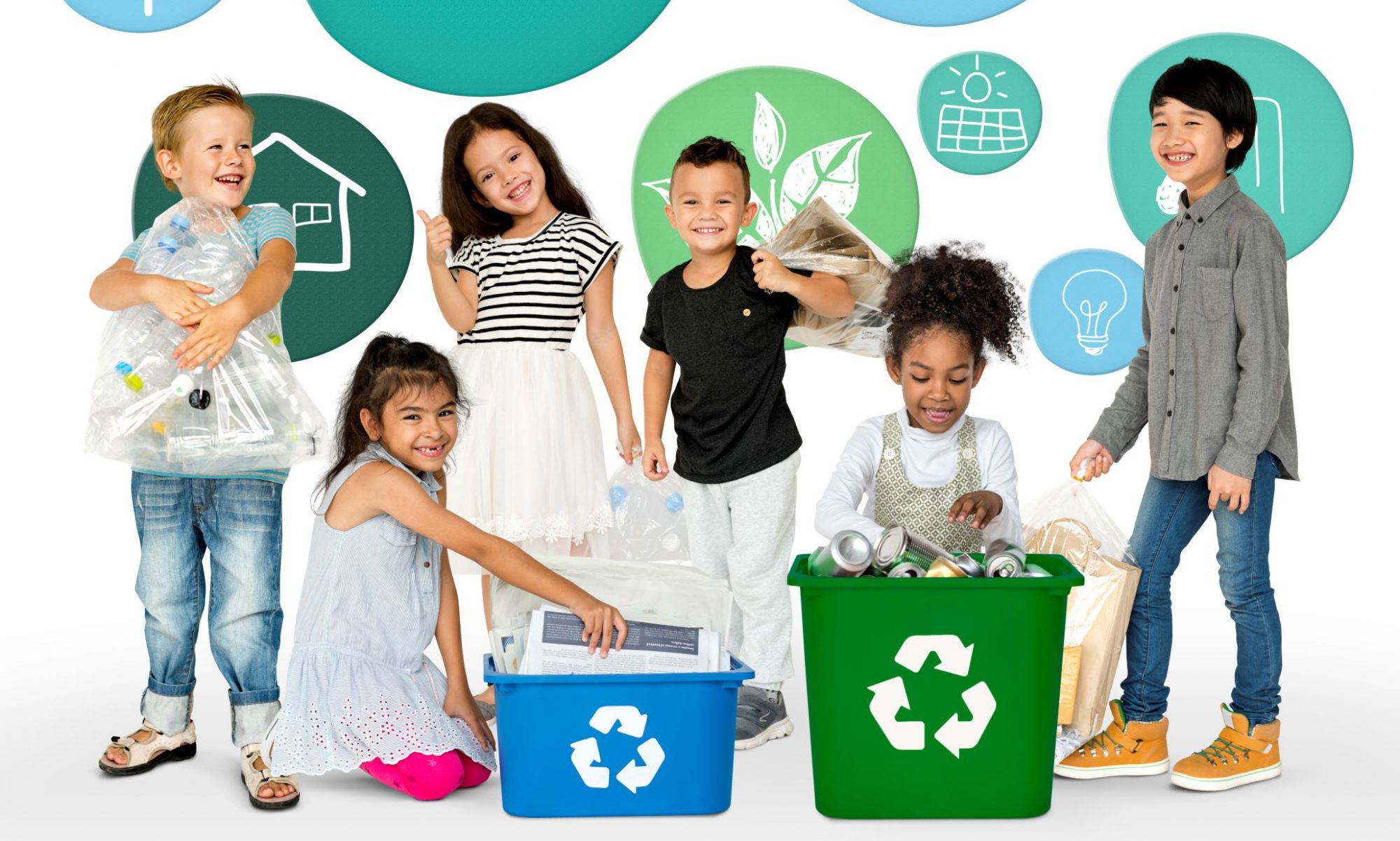
Have you ever held an item in your hand—a spent blister pack, an old plastic toy, or a pile of dried-up markers—and hesitated over the bin?
I see it all the time! We want to do the right thing for our planet, but our household yellow council bins are only designed for specific items like rigid plastics, glass, paper and cans. When tricky materials end up in kerbside recycling, they can contaminate the system or jam machinery.
The wonderful news is that specialised collection programs are popping up all across Australia. With a few simple tweaks to your home setup, you can keep valuable resources out of landfill and support a thriving circular economy.
Here is your practical, go-to guide for recycling those tricky household materials.
Soft Plastics: Curby
Soft plastics, bread bags, cling wrap and bubble wrap—can’t go loose into your yellow bin. However, innovative smart recycling initiatives like Curby are changing the game. Curby collects soft plastics in dedicated CurbyBags, scan the QR code on the bag using their app, and drop it into a participating collection bin or kerbside program.
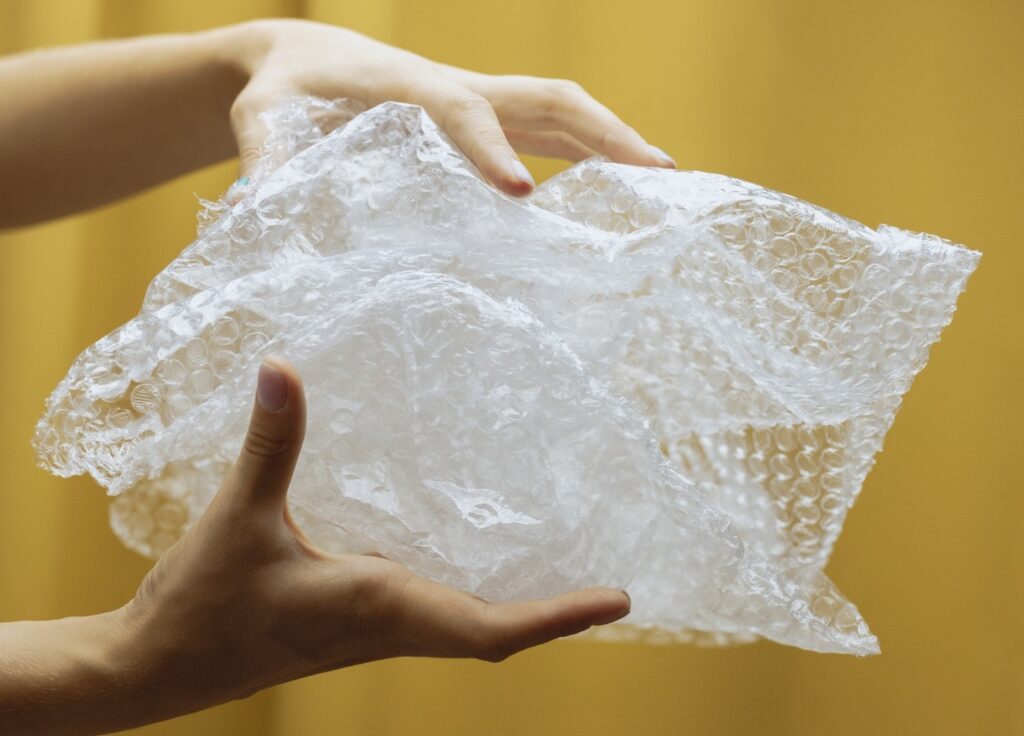
Check participating councils and sign up on the Curby Website.
Empty Blister Packs: Pharmacycle
Empty pill and medication blister packs are made from a composite of foil and plastic, making them impossible to separate in standard sorting facilities. Pharmacycle provides a dedicated, closed-loop recycling solution for these everyday health essentials.
Collect your empty foil-and-plastic blister packs at home and drop them into designated collection boxes at participating local pharmacies. The materials are mechanically separated into aluminium and plastic to create new products.
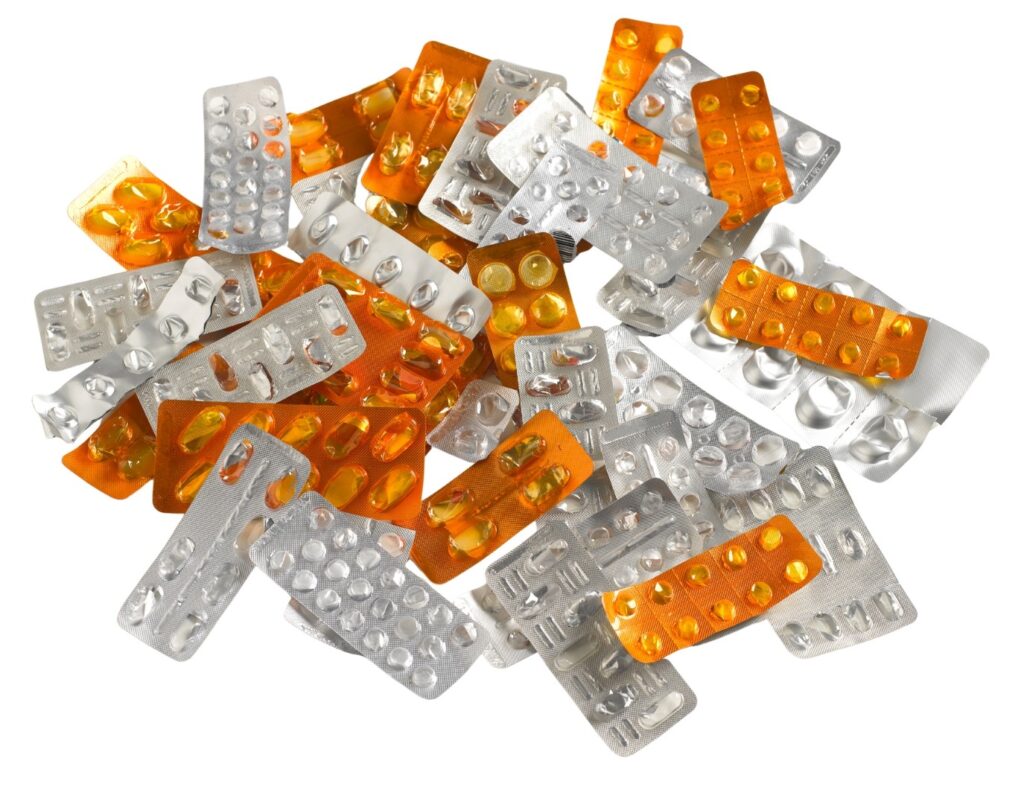
Locate a participating local pharmacy using the Pharmacycle Store Finder.
Tech, Ink & Stationey: Officeworks
E-waste and office supplies contain valuable metals and polymers that shouldn’t end up in the ground. Through their Bring iT Back initiative, Officeworks makes it effortless to drop off unwanted tech during your weekly errands.
- Laptops, computers, monitors, keyboards, mice, hard drives, cables, and mobile phones.
- Printer Cartridges: Inkjet and toner cartridges.
- Used pens, markers, highlighters, mechanical pencils, and correction tape containers.
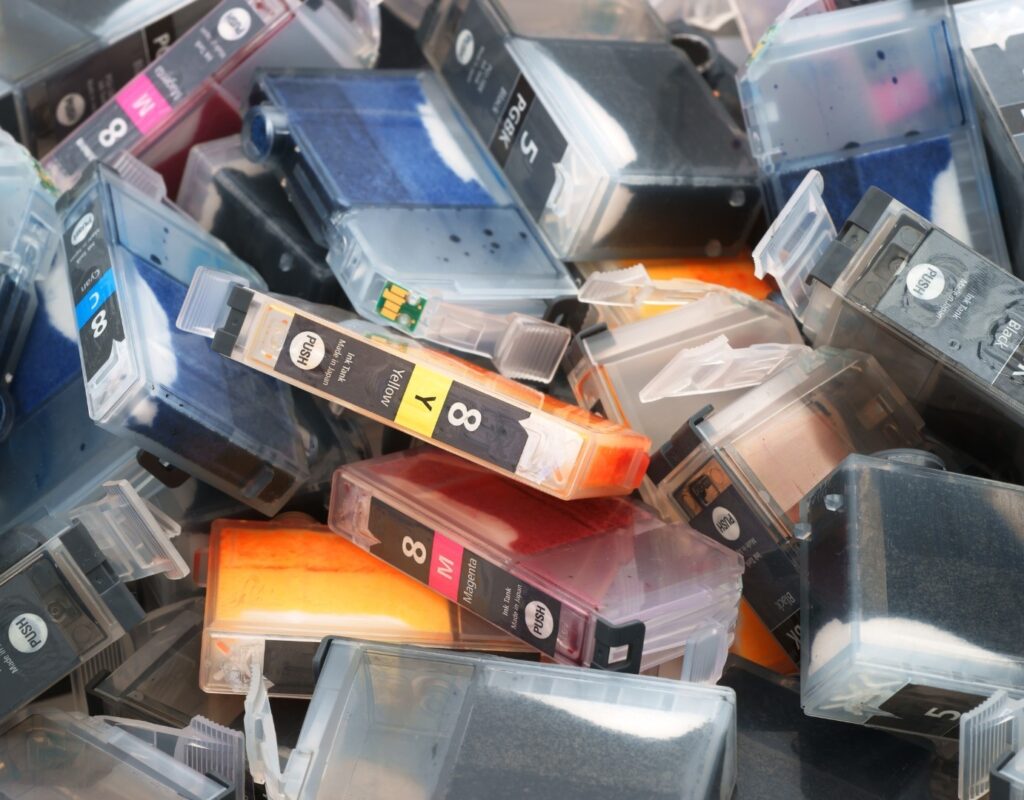
Check available drop-off stations at the Officeworks Store Locator.
Garden & Shed Essentials: Mitre 10
When decluttering the shed or refreshing the garden, Mitre 10 offers excellent in-store recycling programs to tackle common household hazards and plastic waste.
- Household batteries (AA, AAA, C, D, button cells) and power tool batteries can be dropped into in-store collection units (in partnership with schemes like B-cycle).
- Clean, washed polypropylene plant pots and seedling trays (look for the Plastic ID 5 triangle) can be returned to participating stores to be shredded and remoulded into new pots.
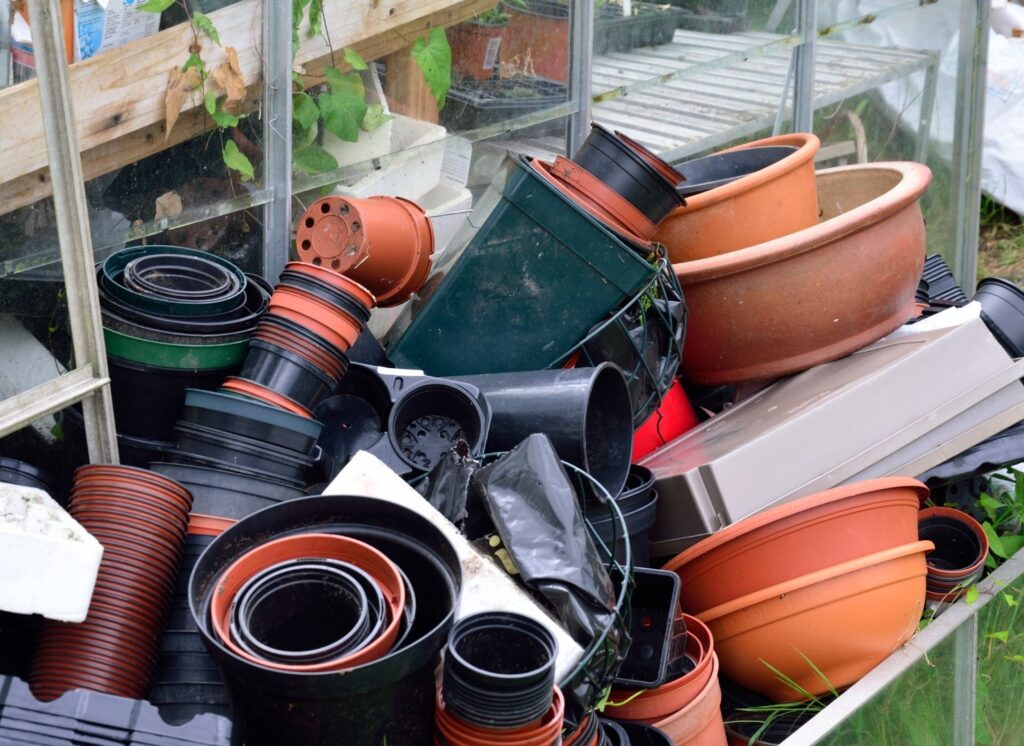
Search for participating locations on the Mitre 10 Store Directory.
Pre-Loved & Broken Toys: BIG W’s Toys for Joy
Kids grow fast, and toys inevitably wear out or break. Instead of sending old playthings to landfill, BIG W has partnered with TerraCycle to launch the Toys for Joy program!
Drop your eligible pre-loved or broken toys into the dedicated wooden chest located at the front of BIG W stores. Good quality toys are donated to charity partners like the Salvation Army, while broken items are processed by TerraCycle into raw materials for building products and playground surfaces.
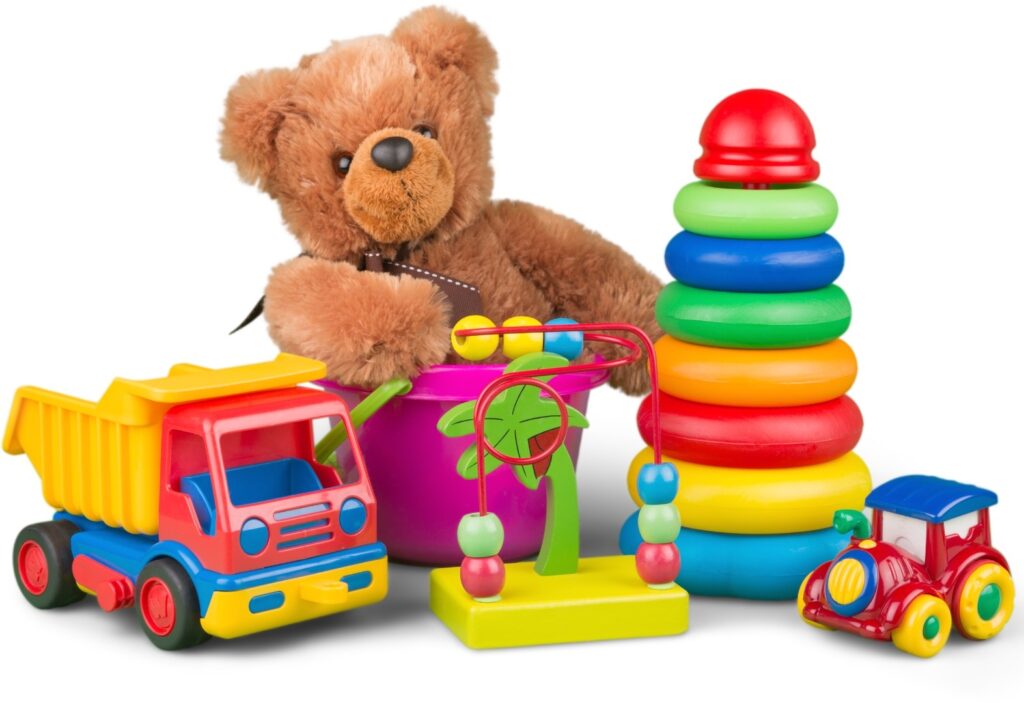
Learn more and find drop-off hubs via BIG W Toys for Joy.
Closing the Loop: The Basics Refresh
While specialised drop-offs handle the tricky stuff, keeping your home system simple ensures standard items are handled properly too:
Council Yellow Bin
Keep it to the Big 5: clean cardboard/paper, rigid plastic bottles and containers, glass bottles and jars, steel cans, and aluminium cans. Always give containers a quick rinse and leave items loose—never bag your recycling!
Clothing & Textiles
Good quality, wearable clothes should be donated to your local op shop or charity store. For damaged or unwearable textiles, look for specialized clothing recycling drop-boxes (such as Upparel or brand take-back programs) rather than throwing them in the general waste.
Practical Tips to Get Started at Home
- Set up a “Tricky Recycling” Station: Keep a small box or tub in your laundry or pantry labeled for batteries, blister packs, soft plastics and e-waste.
- Combine Trips: Keep your filled collection bags in the boot of your car and drop them off when you do your regular grocery runs or hardware trips.
- When in Doubt, Check: If you aren’t sure where an item belongs, use national directories like Planet Ark’s Recycling Near You to search by item type and postcode.
Recycling isn’t about doing everything perfectly; it’s about making small, consistent choices that collectively protect our unique Australian biodiversity and ecosystems. Pick one new item to start collecting this week—you’ll be amazed at how quickly your red general waste bin shrinks!