Citizen Science in your backyard

With the weather warming up and the days stretching out, October is prime time to step into the backyard and see what’s buzzing, fluttering and flying around. Whether you are a dedicated nature lover or just looking for an excuse to step away from your screen, there are three fantastic national citizen science programs that need your help.

Here is how you can get involved and champion Australia’s incredible biodiversity this month.

Crown the Australian Insect of the Year

The polls are officially open to choose the nation’s favorite small wonder. Run by the ABC in partnership with insect conservation groups, the Australian Insect of the Year is an annual celebration of the tiny creatures that keep our ecosystems running.
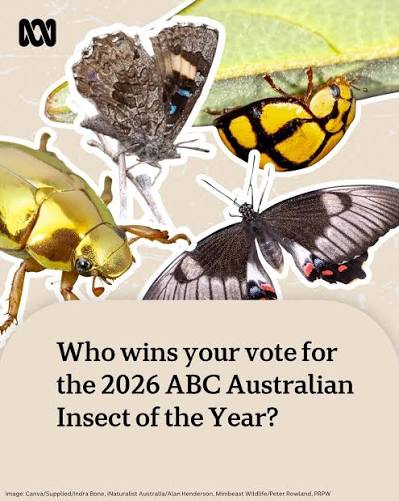
Insect of the year

This year’s shortlist is a quirky lineup of six spectacular finalists:

  • Two beautifully distinct butterflies
  • A pair of undeniably cute beetles
  • The iconic, bioluminescent Otway glow-worm
  • A “super-fly guy” boasting eyes on stalks

Scutter or flutter, who wins your vote? Read up on the candidates and cast your ballot before the poll closes.

Track the Great Bogong Moth Pilgrimage

If you’re in New South Wales, you might have noticed a sudden influx of uninvited evening guests. Swarms of Bogong moths are currently making their epic, annual pilgrimage toward the Snowy Mountains.
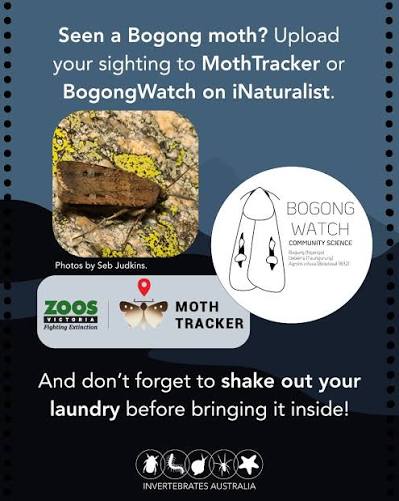
Bogong moth tracker

Invertebrates Australia is urging anyone who spots a Bogong moth to become a citizen scientist and log their sightings online. Your data helps scientists track their migration routes and population health.

Researchers speculate that a perfect storm of increased rainfall, a warmer winter, and strong northerly winds has triggered this dramatic surge in sightings. While a swarm might seem intimidating, these moths are actually an endangered species and a vital food source for alpine wildlife like the Mountain Pygmy-possum.

Join the Aussie Bird Count (19 – 25 October 2026)

Take a breather, grab a cuppa, and look up. The Aussie Bird Count is returning later this month, offering a fun and incredibly easy way to connect with nature while gathering vital conservation data.
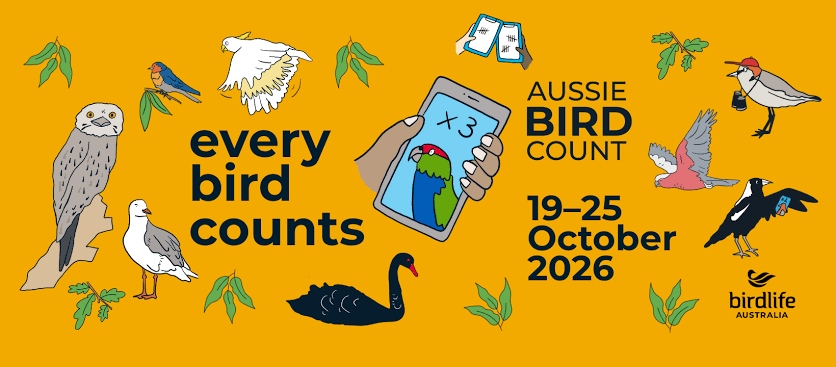
Aussie Bird Count 2026

All it takes is 20 minutes to sit in your garden, a local park, or even on your balcony, and tally the birds you see. This national snapshot helps researchers build a clear picture of how our feathered friends are faring across the country. With one in six Australian birds currently facing the threat of extinction, paying attention to our local flocks has never been more important.

Mark your calendars for mid-October and get ready to make your 20 minutes count.

Our wildlife is putting on a show this spring. Whether you’re voting for a stalk-eyed fly, logging a moth on its mountain migration, or counting the cockatoos in your local park, you are making a real difference for Australian conservation. Get out there and start exploring!

Australian Environmental Education logo with dragonfly

Creating a Thriving Wildlife Garden: A Success Story

Transforming a garden into a thriving wildlife sanctuary is a rewarding and impactful way to support local biodiversity and connect with nature. I have had a great time working on the garden and creating a space that is relaxing for me and haven for local wildlife.

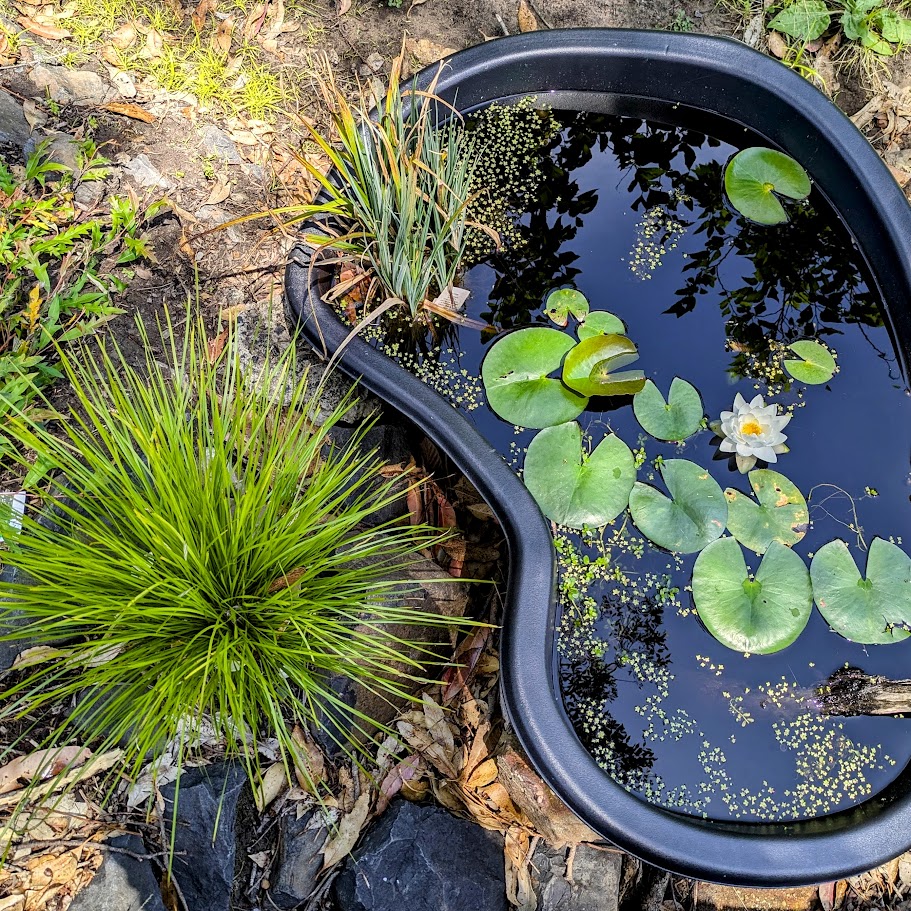
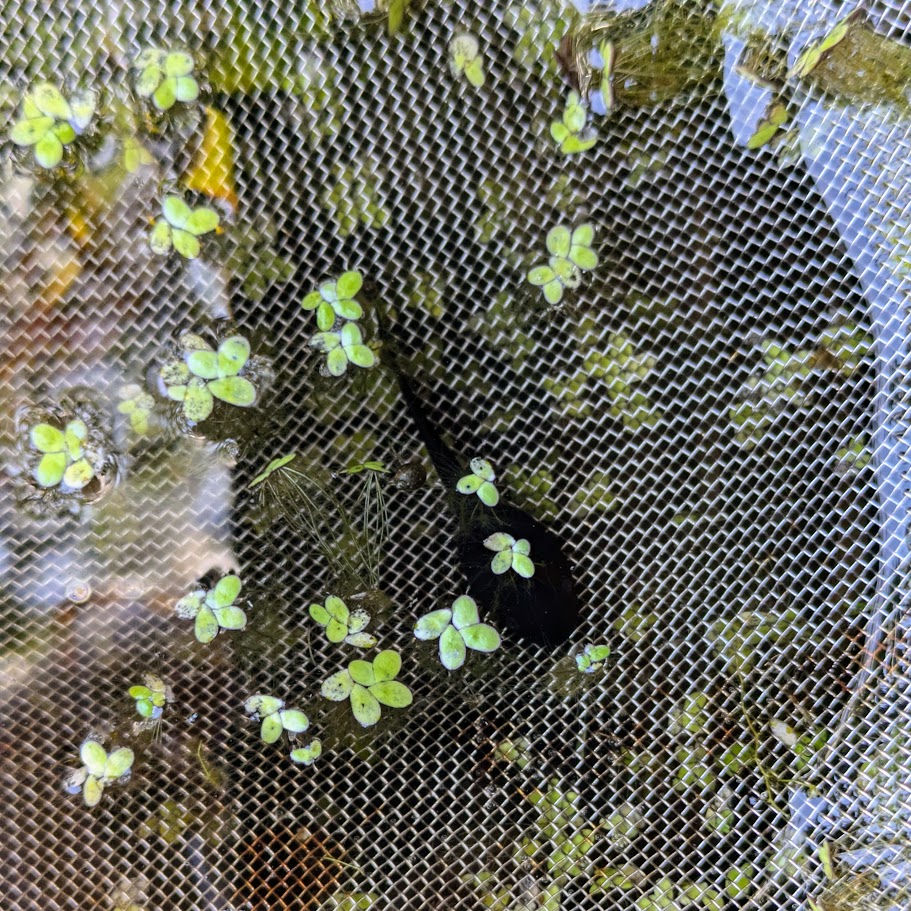
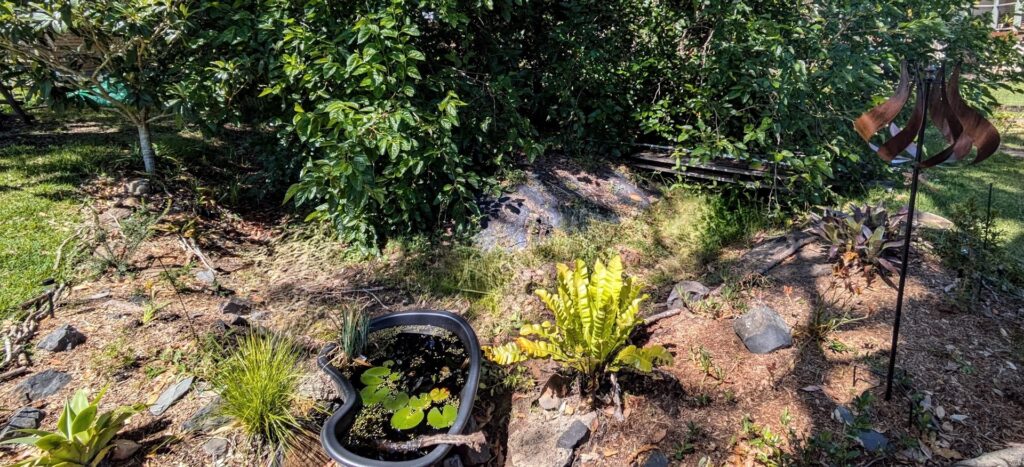
My goal was clear: design a garden that would support native flora and fauna while creating an inviting natural oasis. Native plants were chosen for their resilience and compatibility with local species, while a dragonfly garden with a water feature was included to attract dragonflies, damselflies, and frogs. By providing a habitat with food, shelter, and water, the garden aimed to draw in various species and give them a safe place to thrive. I now have a Water Dragon that lives nearby, tadpoles, damselfly and dragonfly nymphs living in the pond.

I started the process of The transformation was almost immediate. With the native plants taking root, insects and small animals quickly followed. The pond became a lively centre of activity, home to dragonflies, damselflies, and tadpoles. Stripe marsh frogs and common eastern froglets were soon heard calling, marking the garden as a hotspot for native frogs.

Key Elements of the Wildlife Garden

  1. Native Plants and Vegetation: Carefully selected native plants formed the backbone of the garden. Hardy shrubs, grasses, and flowering plants created a layered structure that mimicked local bushland. These plants provide food and shelter for insects, birds, and small mammals while requiring minimal maintenance.
  2. Dragonfly Garden and Pond: The heart of the project was a small pond, ideal for attracting dragonflies, damselflies, and native frogs. Shallow and shaded at the edges but deeper in the centre, the pond was lined with rocks and aquatic plants that offered ideal spawning grounds for tadpoles and larvae, adding biodiversity to the garden ecosystem.
  3. Log and Rock Piles: Strategic log and rock piles added structure to the garden, offering hiding spots for reptiles, insects, and small mammals. These features also help to retain moisture, creating a microhabitat that attracts invertebrates, which in turn attract other wildlife up the food chain.

During the night I hear the unmistakable calls of the Powerful Owl and Southern Boobook Owl echoed through the garden, suggesting that even these top predators were taking note of the new ecosystem. The presence of these owls, which rely on small mammals and other prey, indicated that the garden was supporting a complex food web.

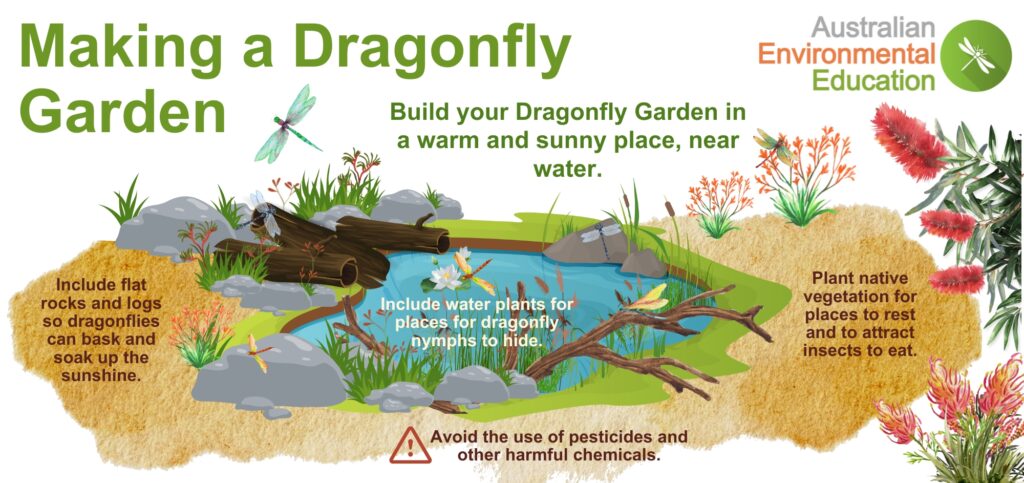
Dragonfly Garden infographic
Dragonfly Garden infographic © Australian Environmental Education

The increase in insect life attracted various bird species, enriching the biodiversity and adding another layer to the garden’s ecosystem.

Creating a successful wildlife garden is not only about design but also about patience and careful observation.

This wildlife garden is a testament to the impact of intentional, eco-friendly gardening, proving that even small spaces can support diverse and thriving ecosystems. For anyone inspired to start their own wildlife garden, this success story offers a roadmap and motivation to begin. By embracing native plants and creating a few key habitats, any garden can become a sanctuary for local wildlife, benefiting both the environment and the community.

Uncropped AEE logo with dragonfly icon