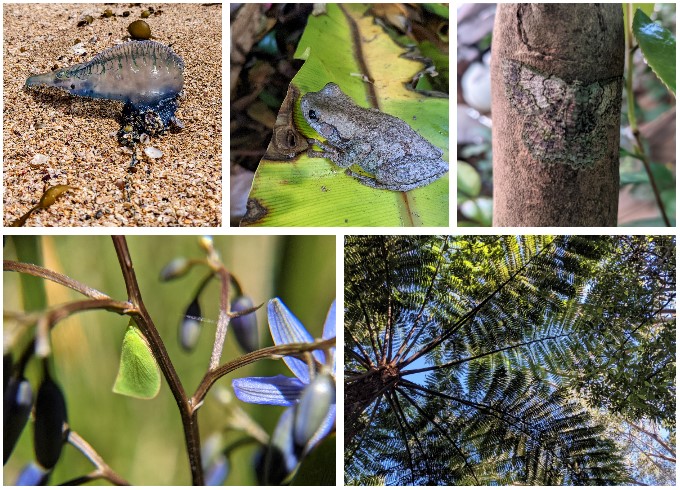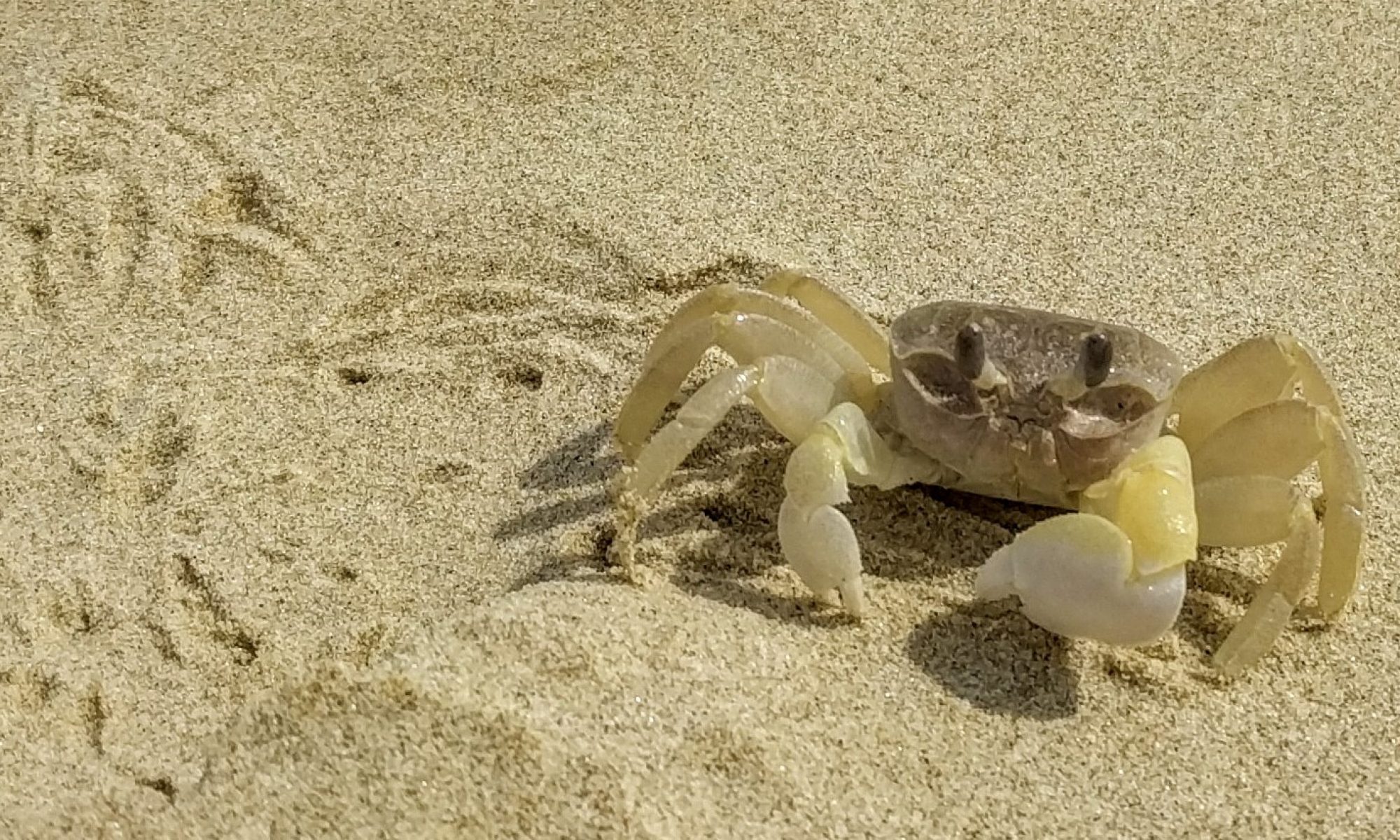
September marks Biodiversity Month, a time dedicated to appreciating and understanding the incredible variety of life on Earth. From the tiniest microorganisms to the largest mammals, biodiversity encompasses the entire range of species that inhabit our planet. This month offers a unique opportunity to reflect on the importance of preserving biodiversity and to recognise the intricate relationships that sustain our ecosystems.
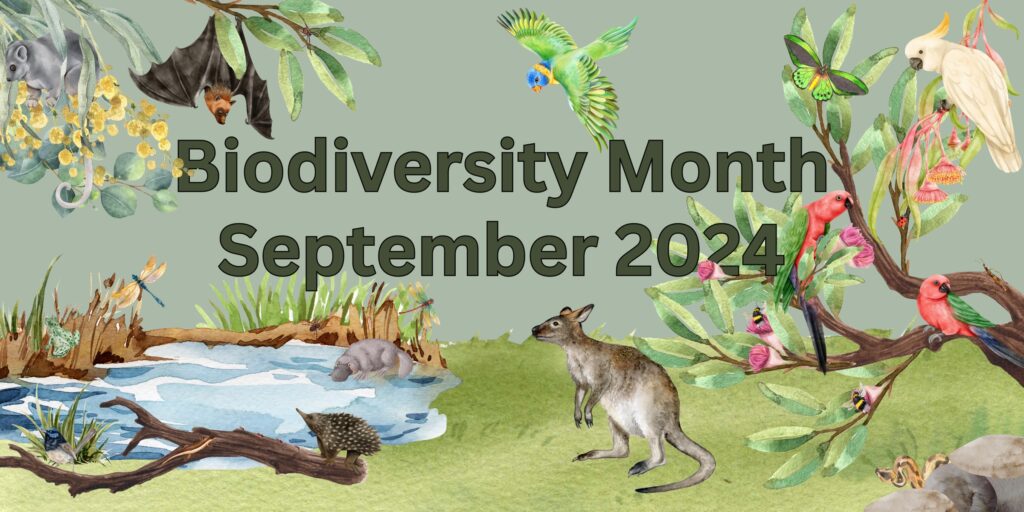
Biodiversity refers to the variety of living organisms in a particular habitat or ecosystem. It includes the diversity within species (genetic diversity), between species (species diversity), and the diversity of ecosystems themselves. These elements work together to create the complex web of life that supports all living beings, including humans.
Why is Biodiversity Important?
Biodiversity is crucial for maintaining ecological balance. Each species plays a specific role in its ecosystem, contributing to functions like pollination, nutrient cycling, and pest control. The loss of even a single species can disrupt these processes, leading to unforeseen consequences.
Biodiversity also directly impacts human health and well-being. Many of our medicines, foods, and materials are derived from natural sources. A diverse ecosystem also provides clean air, water, and fertile soil, all of which are essential for our survival.
Many cultures around the world have deep connections with nature. Biodiversity is woven into traditions, spiritual beliefs, and practices that define cultural identities. Protecting biodiversity is also about preserving this cultural heritage.
Ecosystems with high biodiversity are more resilient to environmental changes, such as climate change. A diverse gene pool allows species to adapt to new conditions, ensuring the survival of ecosystems even in the face of challenges.
Threats to Biodiversity
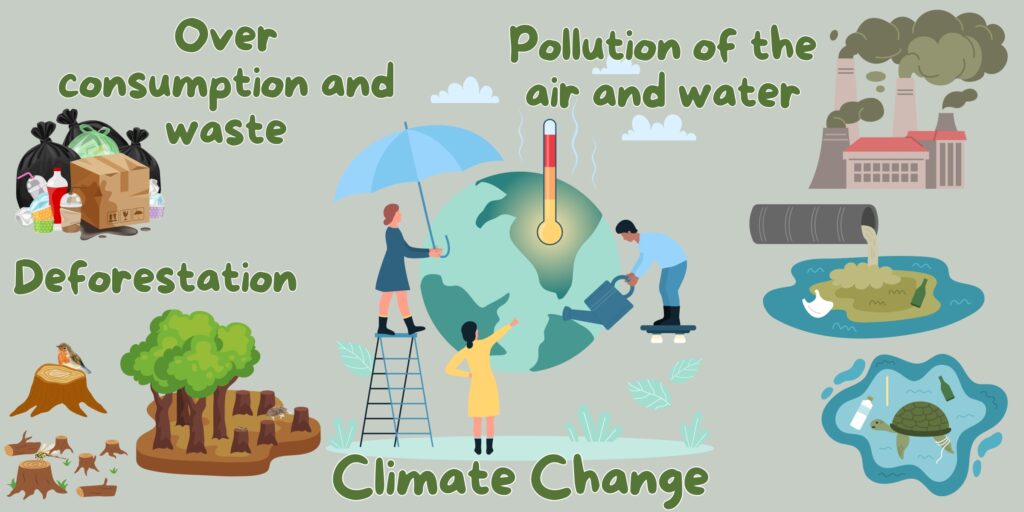
Despite its importance, biodiversity is under threat from various human activities. Deforestation, pollution, climate change, and overexploitation of natural resources are leading to habitat loss and species extinction at an alarming rate. According to the United Nations, around one million animal and plant species are now threatened with extinction.
How Can We Protect Biodiversity?
Supporting conservation projects, whether through donations, volunteering, or spreading awareness, is a powerful way to protect biodiversity. This includes preserving natural habitats, supporting wildlife protection laws, and creating more protected areas.
Adopting sustainable practices in our daily lives can significantly reduce our impact on the environment. This includes reducing waste, conserving water, choosing sustainably sourced products, and supporting eco-friendly companies.
Educating ourselves and others about the importance of biodiversity is crucial. The more people understand the value of biodiversity, the more likely they are to support conservation efforts and make environmentally conscious decisions.
Advocating for policies that protect biodiversity, such as stronger environmental regulations and support for renewable energy, can lead to significant positive changes on a global scale.
Whether you’re planting native species in your garden, participating in a local clean-up, or simply taking a moment to appreciate the natural world, every action counts.
Let’s commit to making small changes that contribute to a more sustainable future. By working together, we can ensure that the incredible variety of life on Earth continues to thrive for generations to come.