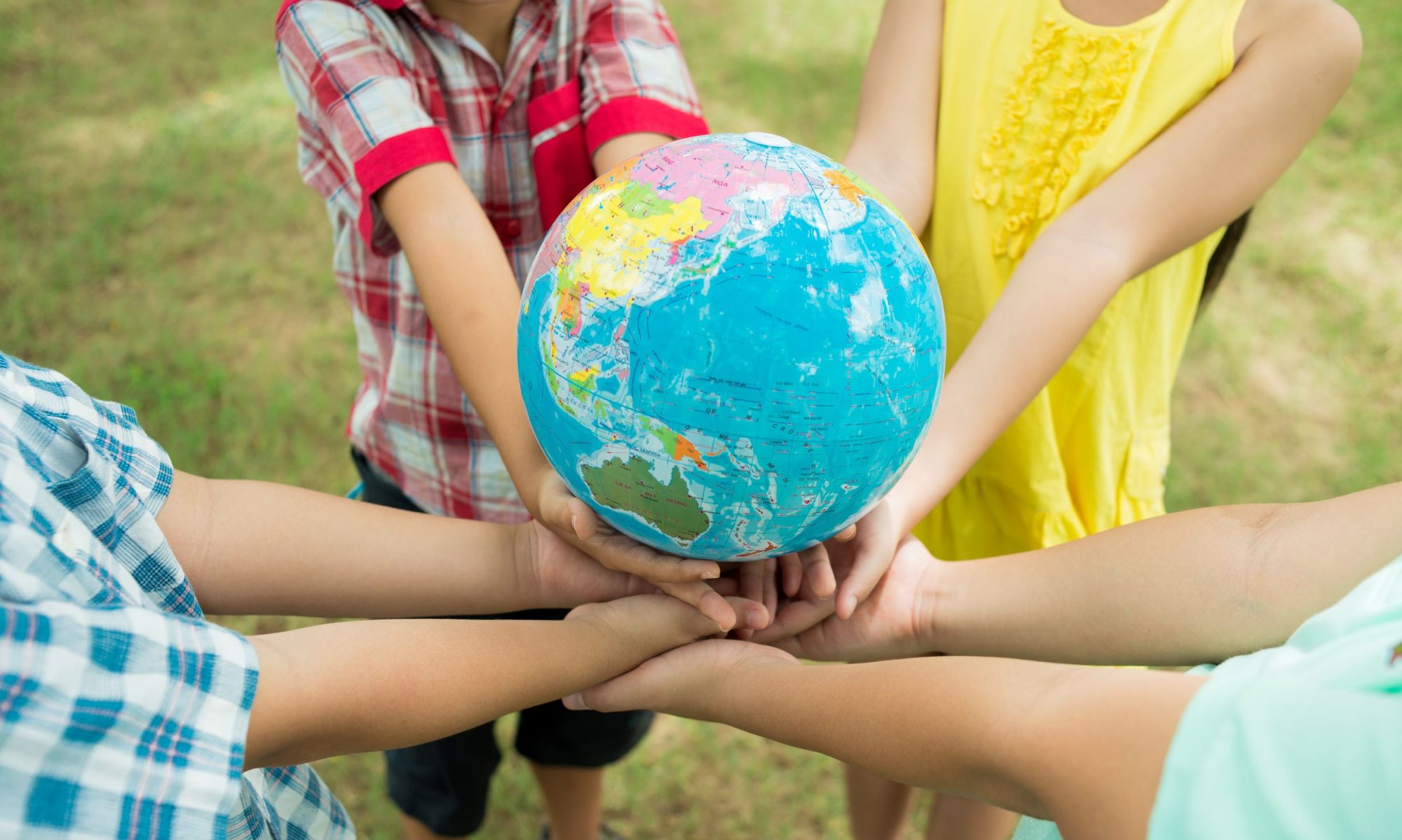
World Environment Day is the perfect time for us to stop, look around and think about how we connect with the natural world. On the global stage for 2026, the United Nations environmental focus is all about accelerating climate action, protecting biodiversity and restoring our planet’s vital ecosystems. These are big, global concepts, but environmental action can start in your own backyard.
Dive into how we can celebrate World Environment Day 2026 together, by transforming these massive international goals into meaningful, hands-on experiences for everyone.
Why Local Biodiversity Matters
When we hear about protecting global biodiversity, it’s easy to think of far-off rainforests or polar ice caps. But Australia is home to some of the most unique wildlife on earth, and much of that magic is happening right outside your classroom or kitchen window.
By teaching children to look closely at their local environments, we shift them from passive observers to active custodians of the land. Fostering a “sense of place” helps children understand that their daily actions have a direct impact on the health of our waterways, soils, and wildlife habitats.
Get Hands-On: World Environment Day Activities
If you are looking for ways to engage this World Environment Day, here are a few of my favourite hands-on activities:
- Plant a Tree to Beat the Heat: Planting native trees, shrubs, or groundcovers is one of the most effective and rewarding ways to combat the “urban heat island” effect. Trees provide vital shade, naturally cool our suburbs and create essential habitats and food sources for local wildlife. Choose a native species suited to your local soil and climate to give it the best start.
- Go on a Local Wildlife Safari: You don’t need to travel to a distant national park to find incredible biodiversity. Grab a pair of binoculars or a magnifying glass, head out to the garden or local park, and look for local wildlife. From birds and lizards to the busy invertebrates in the leaf litter, observing these animals helps us understand who shares our urban ecosystems and why protecting their habitats matters.
- Map Your Local Catchment: Water is our most precious resource. Take a walk to a local creek or stormwater drain and talk about where that water goes. Understanding how catchments work is vital for protecting our marine and coastal ecosystems from pollution.
- Conduct a School or Home Waste Audit: Combating pollution starts with looking at what we throw away. Spend some time sorting through your bins to see what can be composted, recycled, or avoided altogether to help reduce our environmental footprint.
Let’s use World Environment Day 2026 as a stepping stone for year-round environmental action. Step outside, breathe in the fresh air, look closely at a leaf and listen to the birds. Every small action we take locally adds up to a massive difference globally.