Celebrating World Turtle Day

World Turtle Day is an annual event celebrated worldwide on May 23rd to raise awareness about the conservation of turtles and their habitats.

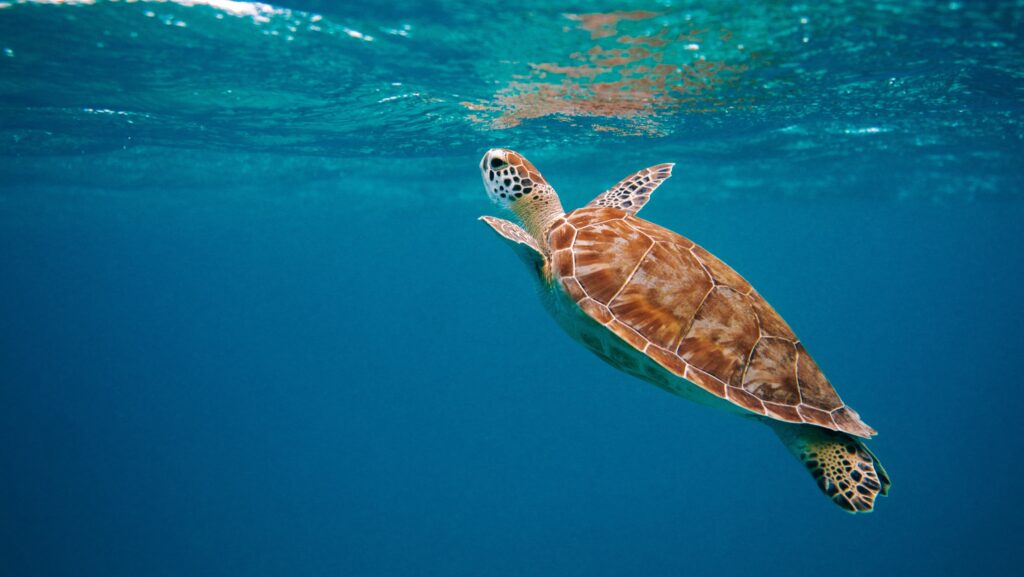
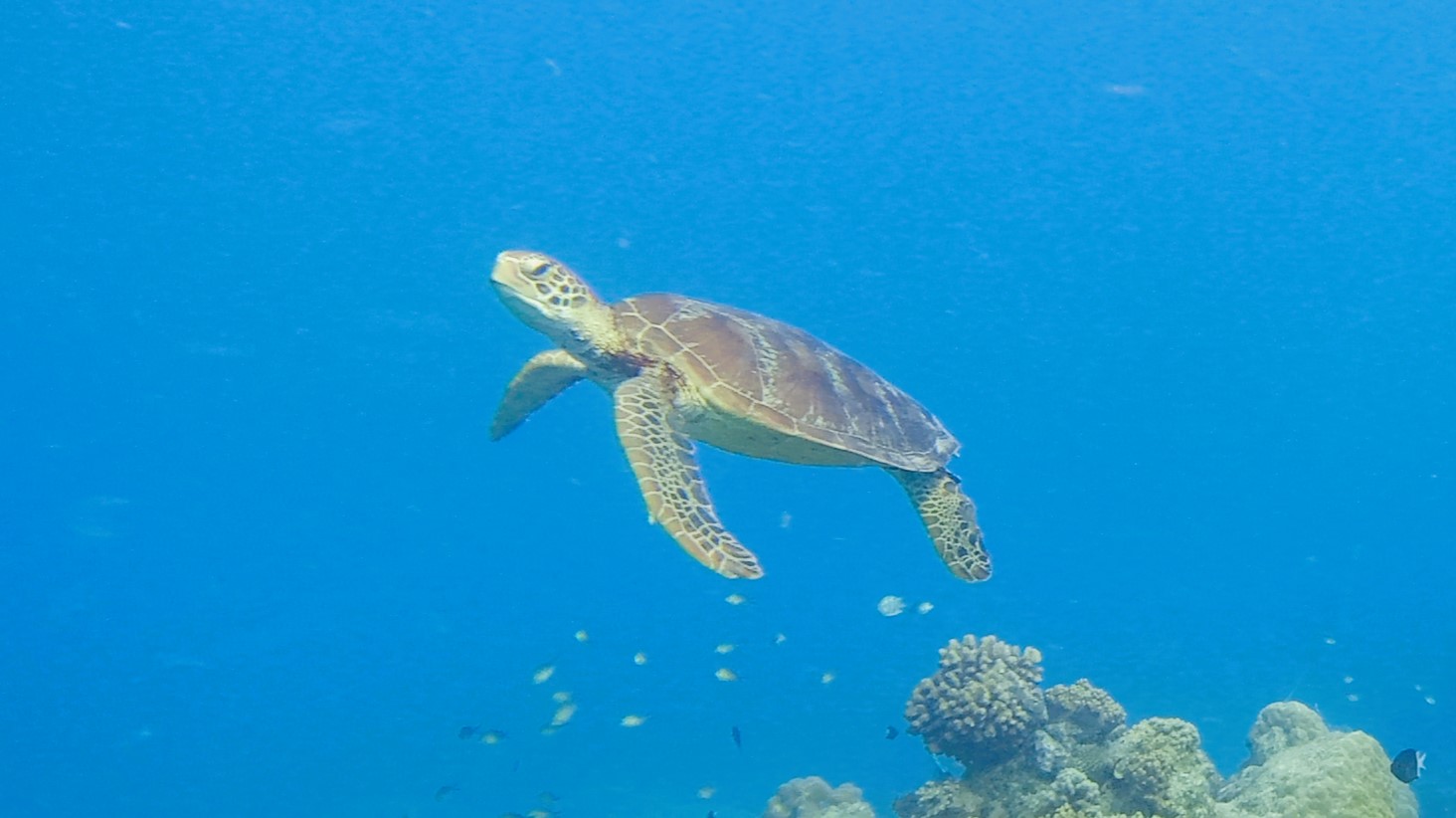
Marine turtle
© David Troeger on Unsplash

Turtles are one of the oldest living reptiles on earth, and they have been around for over 200 million years. They are an important part of the Australian ecosystem, playing a vital role in maintaining the balance of aquatic and terrestrial ecosystems. Turtles are also considered to be keystone species, which means they have a disproportionate effect on the environment relative to their abundance.

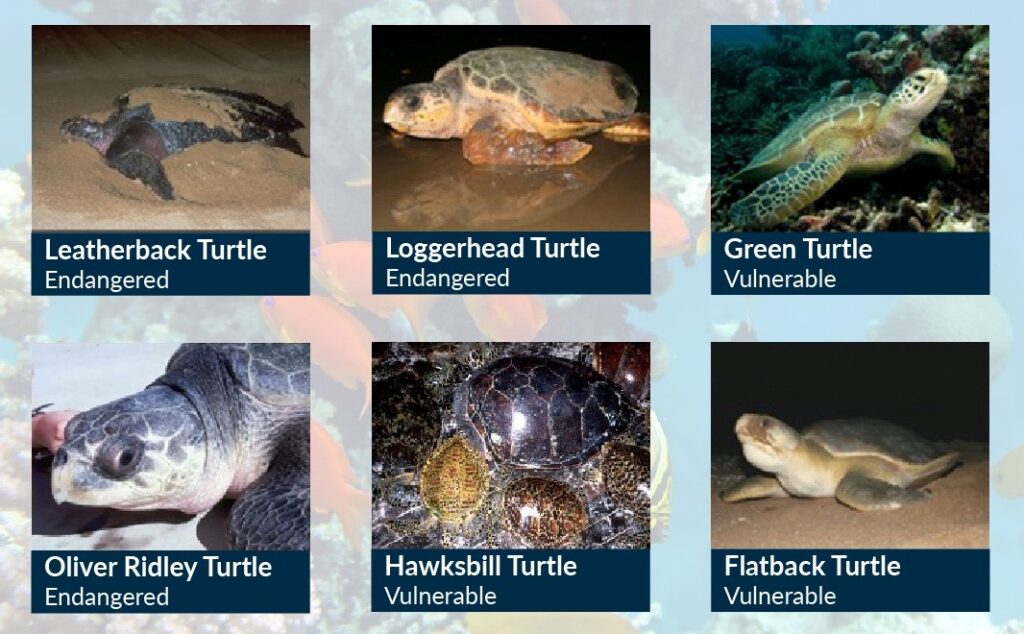
There are six species of marine turtles found in Australian waters, including the Green Turtle, Loggerhead Turtle, Hawksbill Turtle, Olive Ridley Turtle, Flatback Turtle and Leatherback Turtle. They are all listed as Endangered or Vulnerable to extinction.

Image credit: Sea Turtle Foundation

World Turtle Day provides a platform for raising awareness about the conservation needs of these fascinating creatures and encourages action to protect their habitats. It serves as a reminder that we all have a role to play in preserving and safeguarding our natural environment for future generations.

How You Can Make a Difference: On World Turtle Day, and beyond, there are several ways in which you can contribute to turtle conservation:

  1. Reduce plastic consumption: Minimize single-use plastics and participate in local beach clean-ups to prevent marine debris from polluting turtle habitats.
  2. Support conservation organizations: Donate to reputable organizations focused on turtle conservation efforts in Australia and around the world.
  3. Promote responsible tourism: Choose eco-friendly travel operators that prioritize sustainable practices and adhere to guidelines for responsible wildlife encounters.
  4. Educate and raise awareness: Share information about World Turtle Day on social media, organize local events, and engage in conversations that highlight the importance of turtle conservation.
Australian Environmental Education logo with dragonfly

Roaring Back in Time

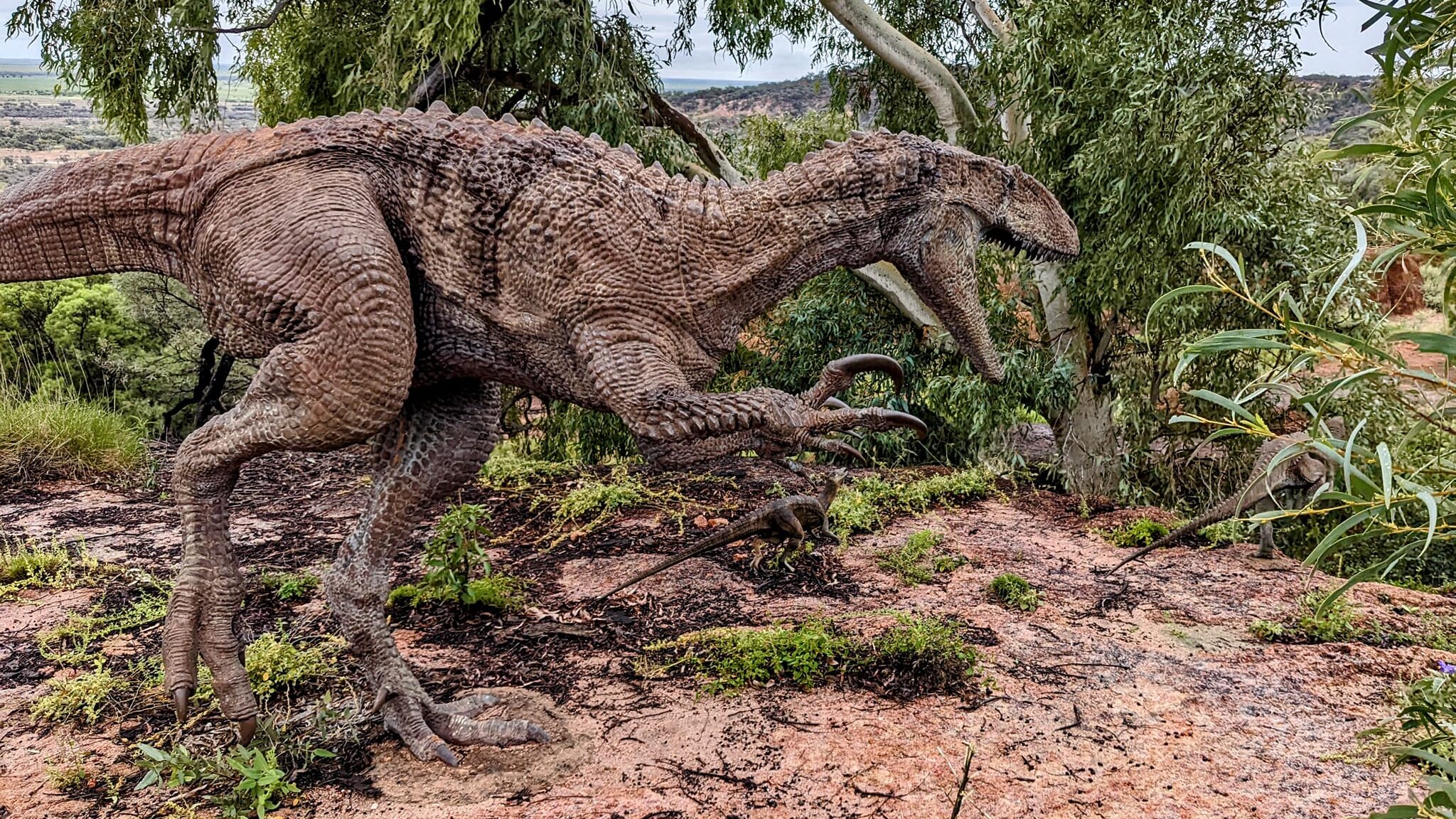
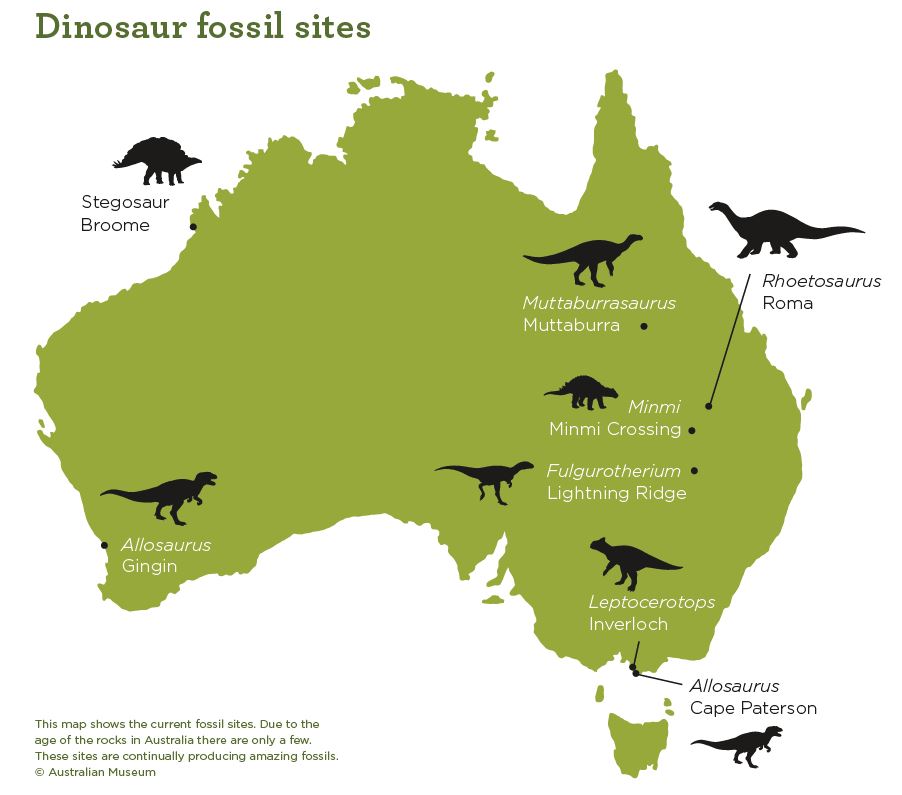
National Dinosaur Day is a time to celebrate Australian Dinosaurs is celebrated on 7 May every year. This special day is a time to recognize and appreciate these incredible prehistoric creatures that roamed the Earth millions of years ago.

The first known dinosaur fossil was discovered in England in the early 1800s. Since then, hundreds of species have been identified all over the world, including Australia. The study of dinosaurs has provided us with invaluable insights into the evolution of life on our planet.

Dinosaur Fossils in Australia

Queensland, in particular, boasts some of Australia’s most significant dinosaur discoveries. The Dinosaur Trail and Winton is the gateway to the prehistoric past. I visited the world-renowned Australian Age of Dinosaurs Museum last year, you can see ongoing fossil discoveries and even participate in dinosaur digs. One of the most remarkable dinosaur fossil discoveries in the areas is “Banjo,” Australia’s most complete carnivorous dinosaur.

Whether you are a lifelong dinosaur enthusiast or just starting to learn about these amazing creatures, today is a fantastic opportunity to celebrate their place in history and learn more about the science behind their existence. With new discoveries and advancements in technology, the study of dinosaurs continues to fascinate and inspire people of all ages. So why not join in the fun and celebrate? You never know what you might learn!

Uncropped AEE logo with dragonfly icon

SeaWeek 2023

SeaWeek is Australia’s major national public awareness campaign to focus community awareness and appreciation of the sea. This week-long event is held every year in March and provides a great opportunity to learn about marine environment. So, take a dive under the water this SeaWeek and explore our amazing marine environments with me.

Seaweek graphic

It was great to be able to spend time diving over the last few week exploring the marine environment around Sydney.

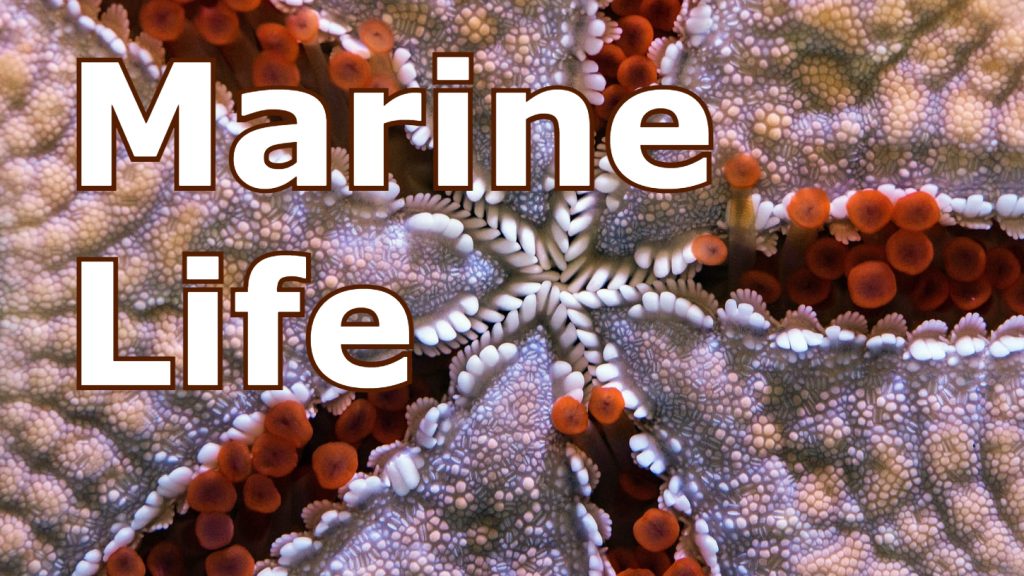
Marine Life title slide

Explore the amazing diversity of Marine Life. Take a journey beneath the waves to explore this wonderful world. Learn about some of these incredible animals, their adaptions and habitats with the resources below.

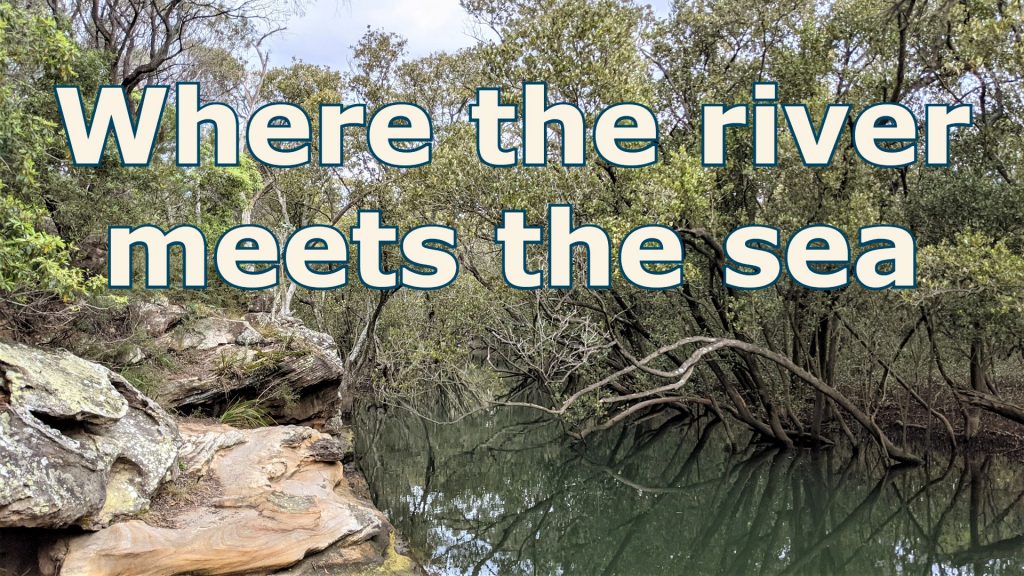
Where the river meets the sea title slide

Follow the journey of water down the river through the catchment to the sea. Water is essential for all forms of life and the small amount of available freshwater create competing pressures for our water resources. 

Australian Environmental Education logo with dragonfly

Adventures on the Great Barrier Reef

I was very excited to get back to the Great Barrier Reef last week. I stayed out on Ocean Quest for 5 days diving Norman and Saxon Reefs. Over the 5 days I went on 12 amazing dives and 4 snorkels exploring both reefs.

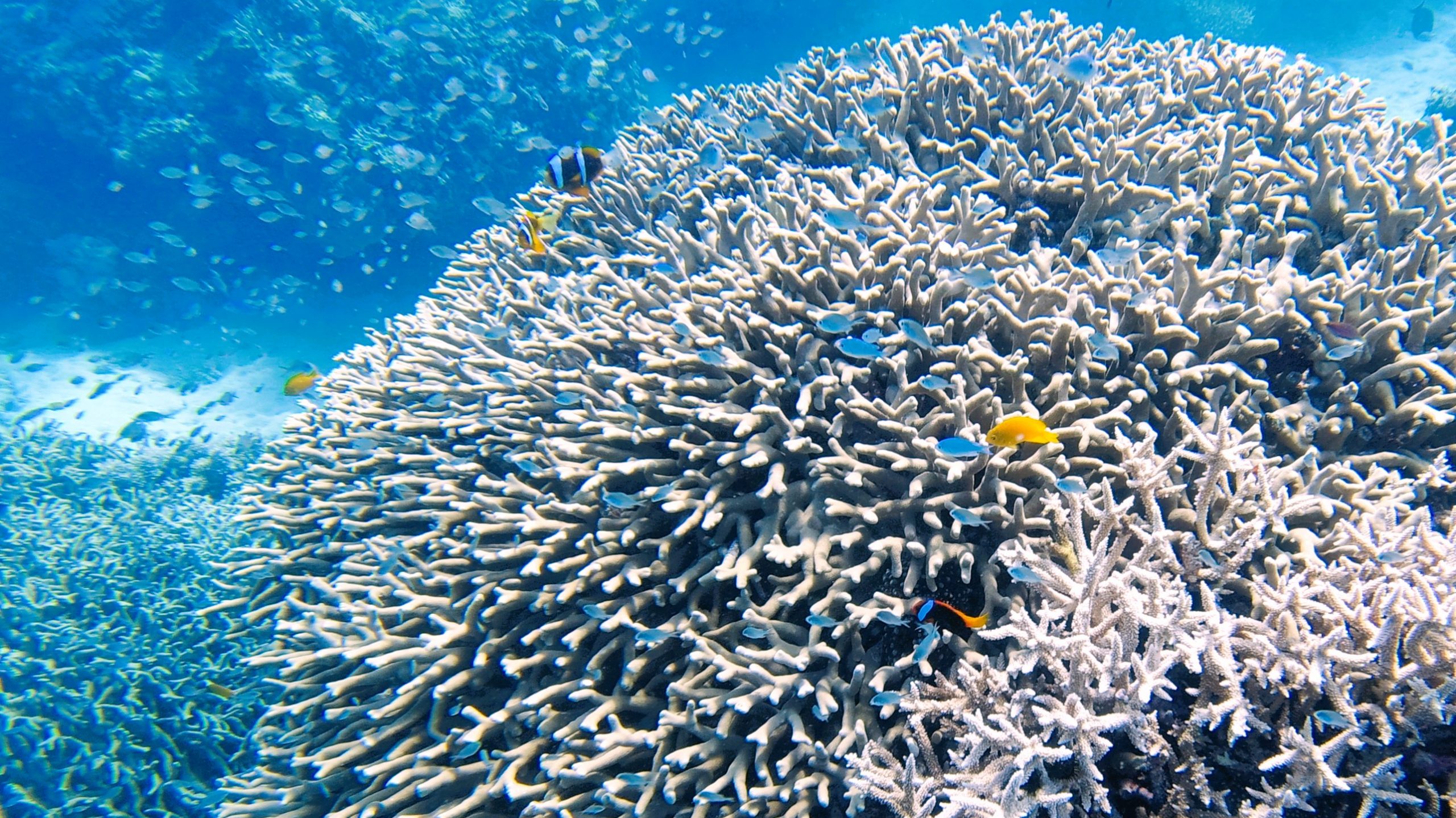
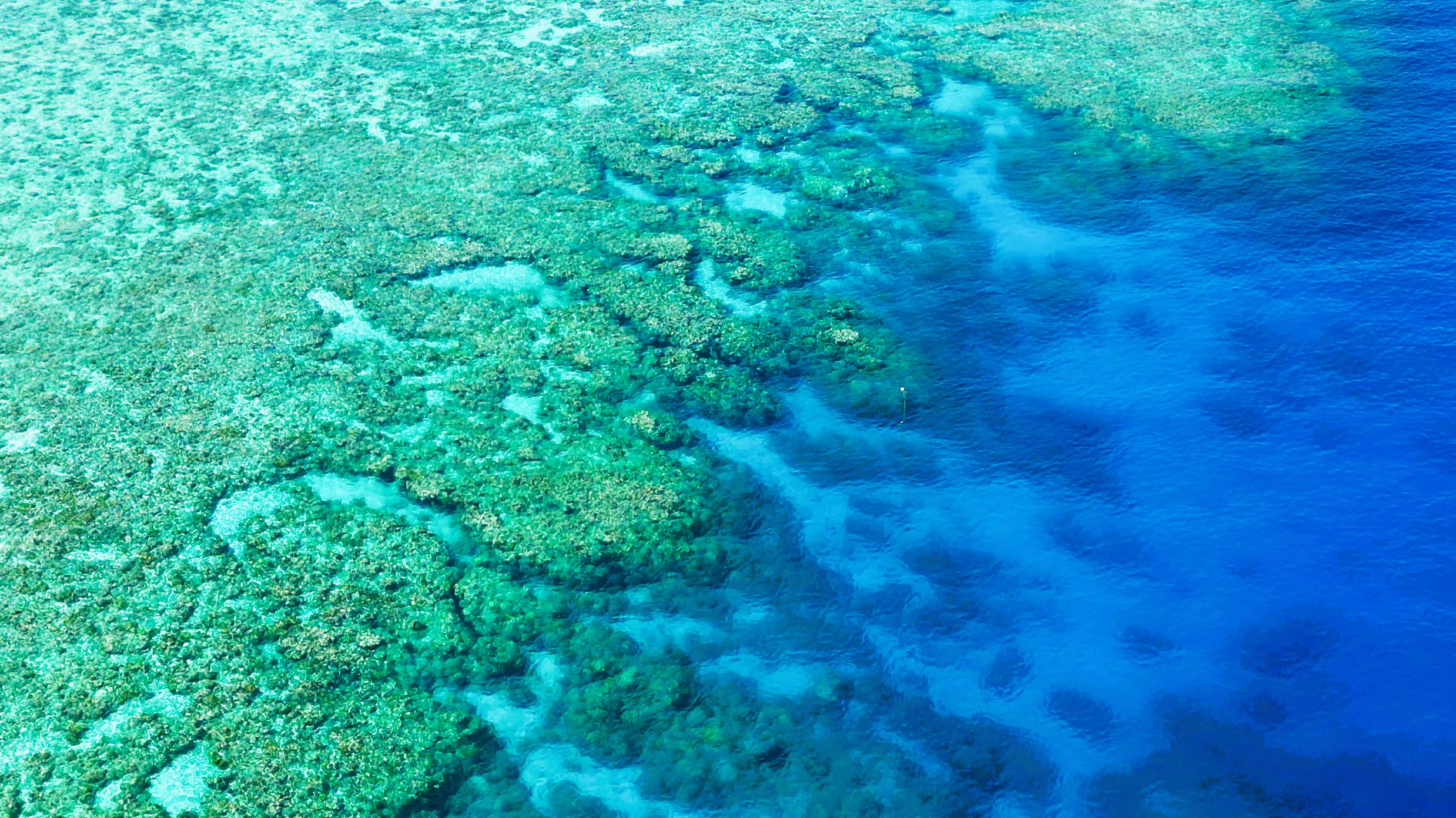
The Great Barrier Reef is a World Heritage site that stretches more than 2,000km. The reef can be seen from space and is under threat. No other World Heritage site contains so much biodiversity — more than 1,500 species of fish, 400 species of coral, 4,000 species of molluscs, and 240 species of birds. Don’t forget all the sponges, anemones, marine worms, crustaceans and other species.

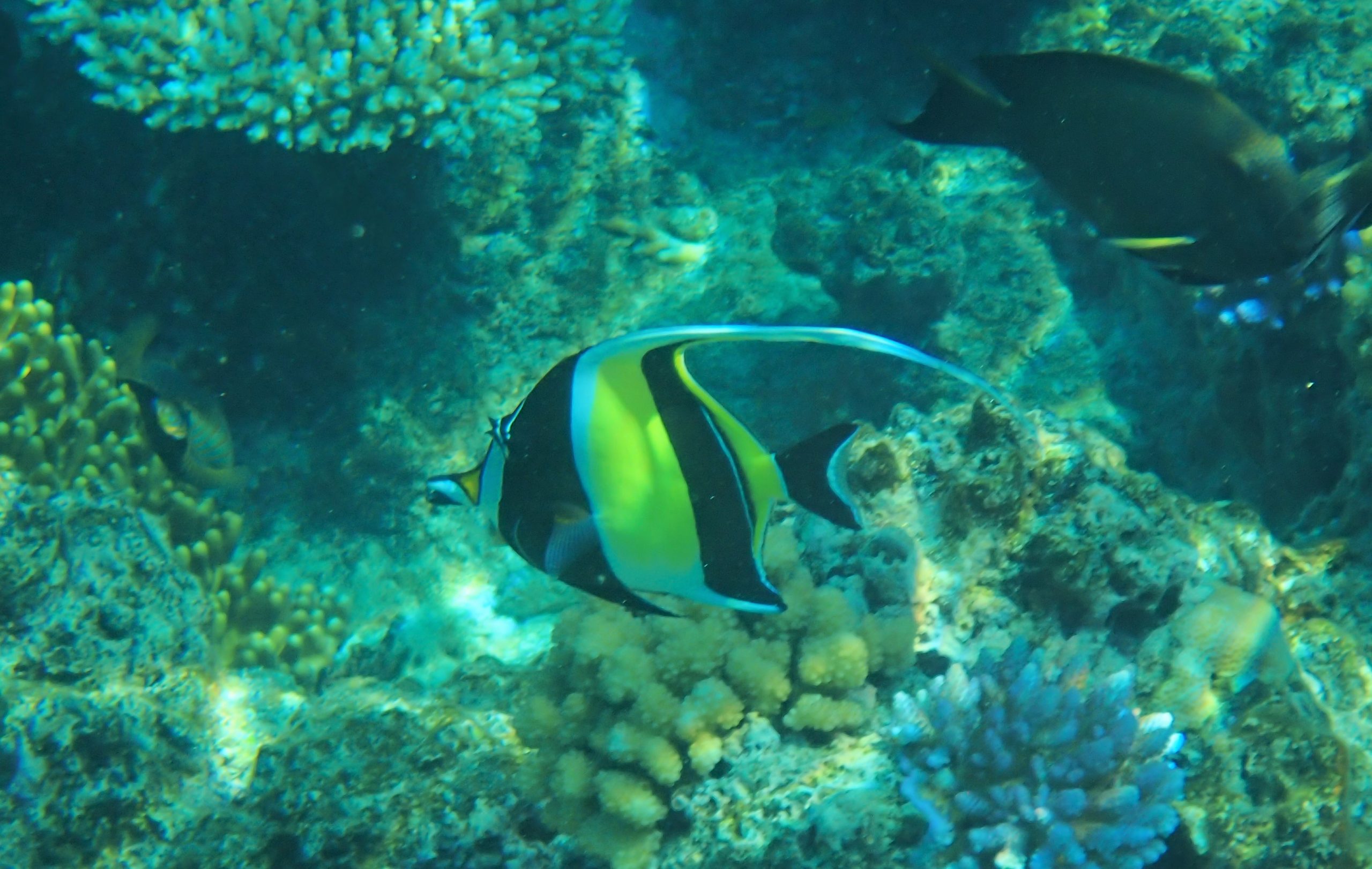
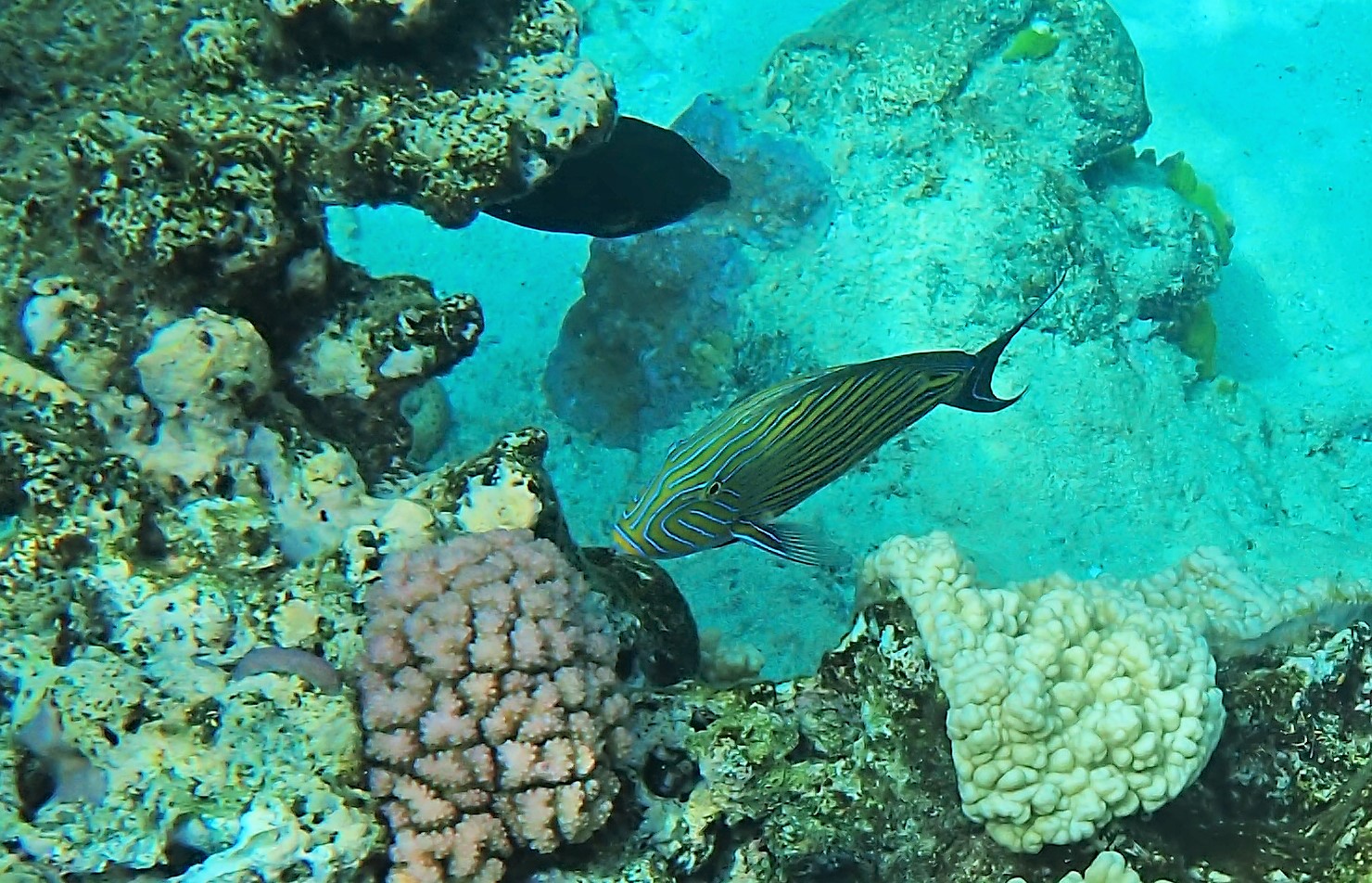
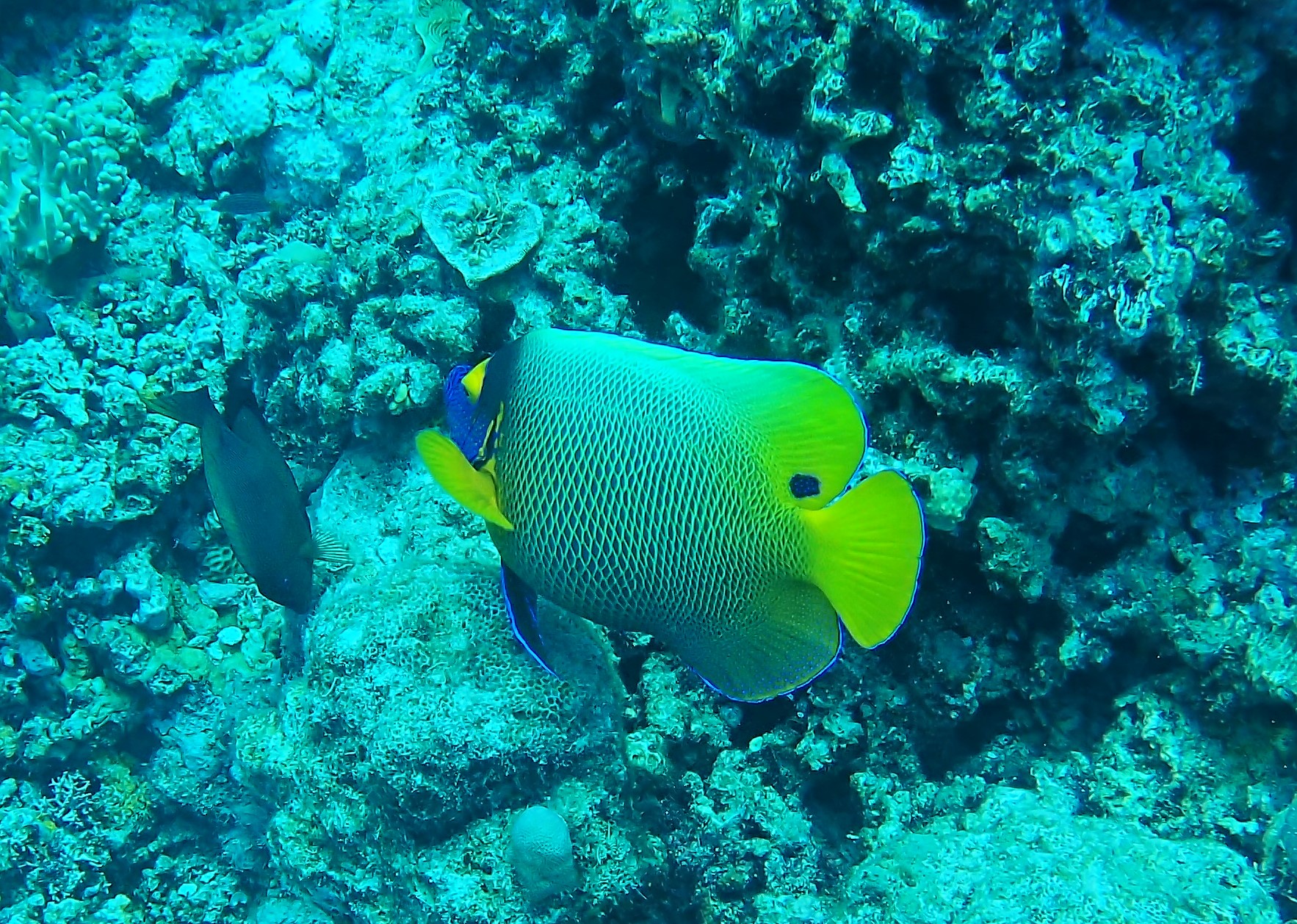
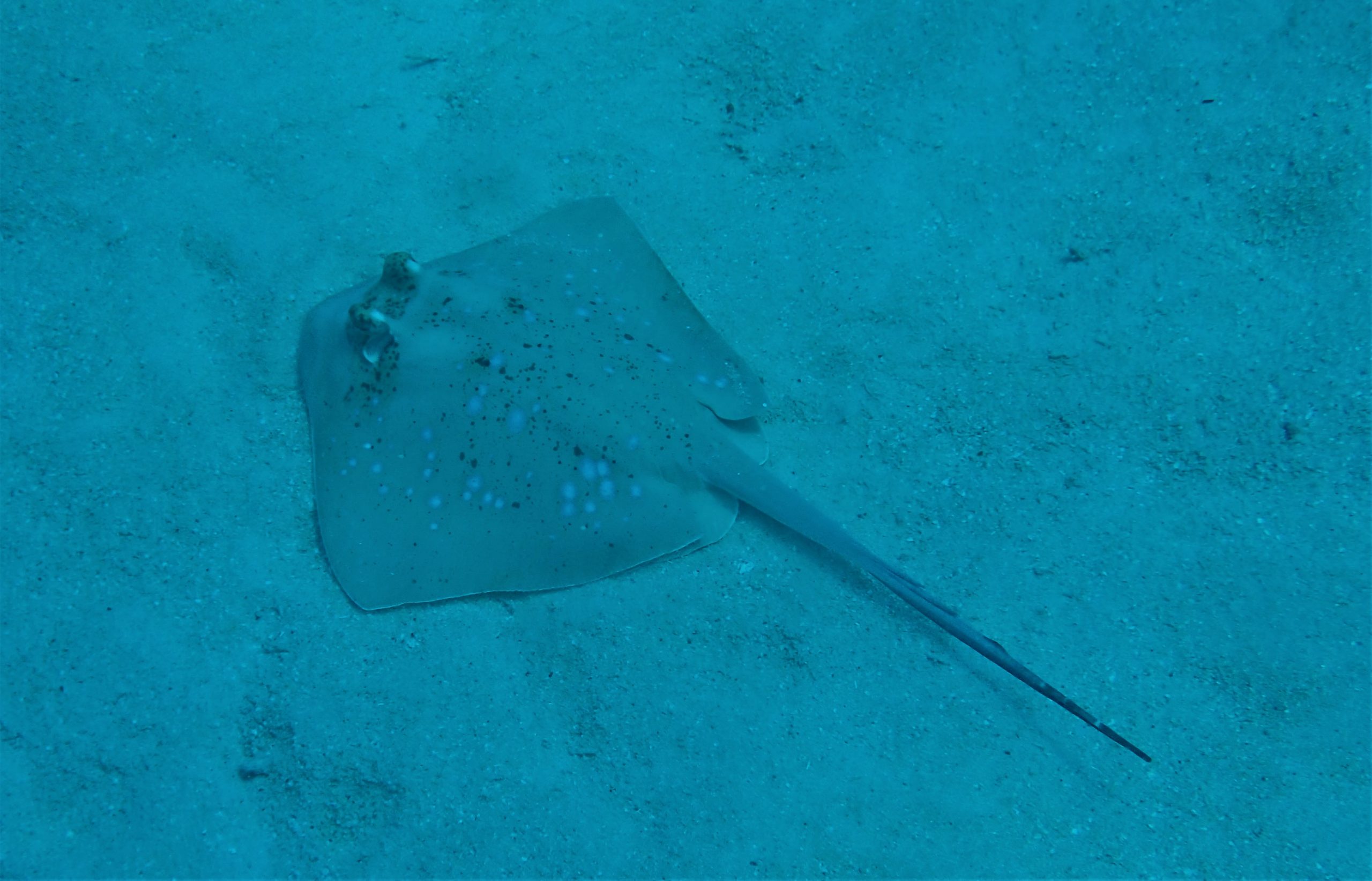
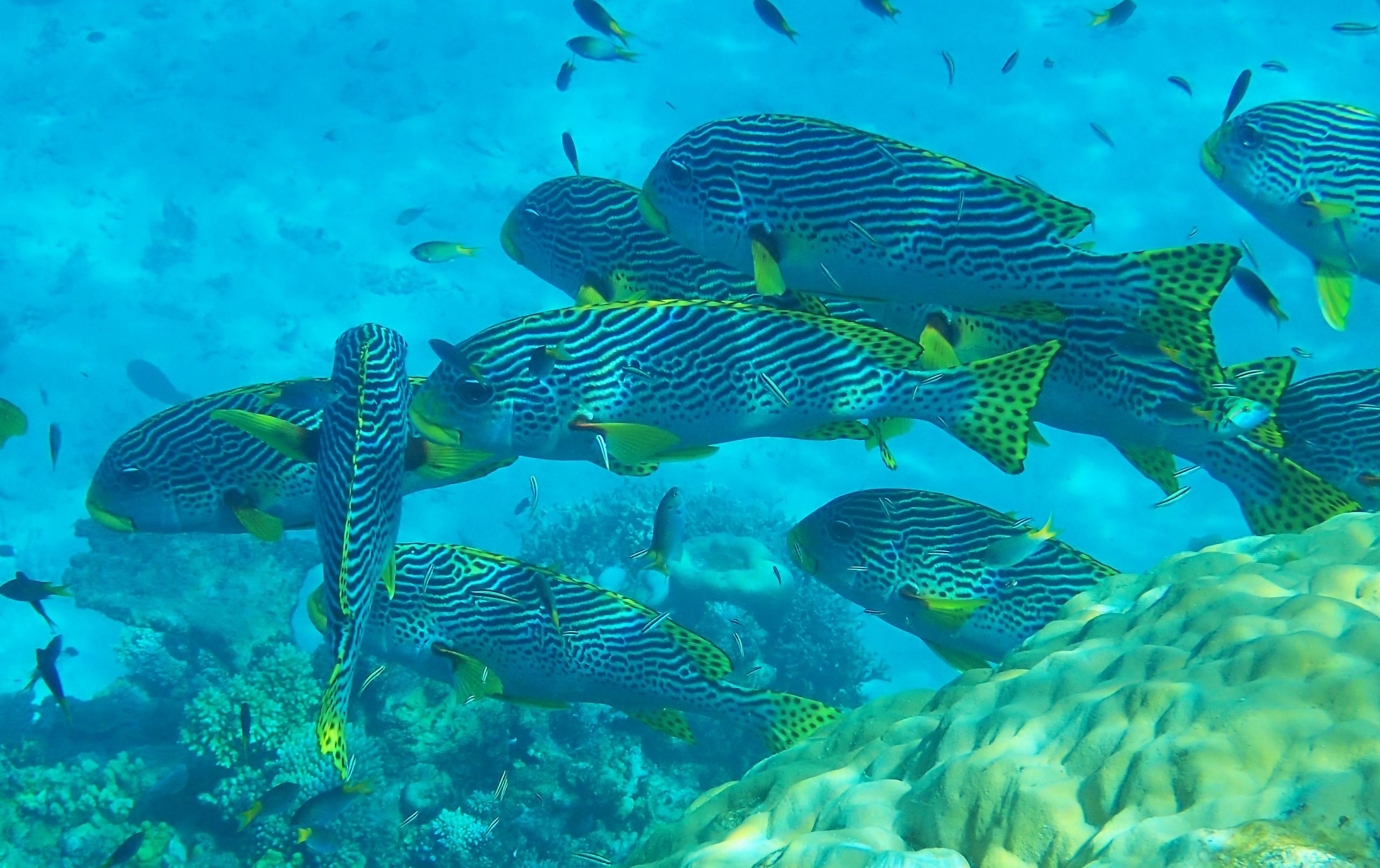
The variety of fish life is staggering, everywhere you look, you see something new hiding amongst the coral or out on the sand. The photos don’t do it justice.

Sometimes you only get a glimpse, but that is enough to see my first Hammerhead Shark.

The team from Deep Sea Divers Den were fabulous, all the staff from the kitchen to the dive crew made my stay an incredible adventure. I’m already planning my trip next year.

A big thanks also goes out to Saara & Lachie and Claudio and Natalie for letting me join their dives and for sharing their photos and video footage with me.

Uncropped AEE logo with dragonfly icon

Cicadas Chorus

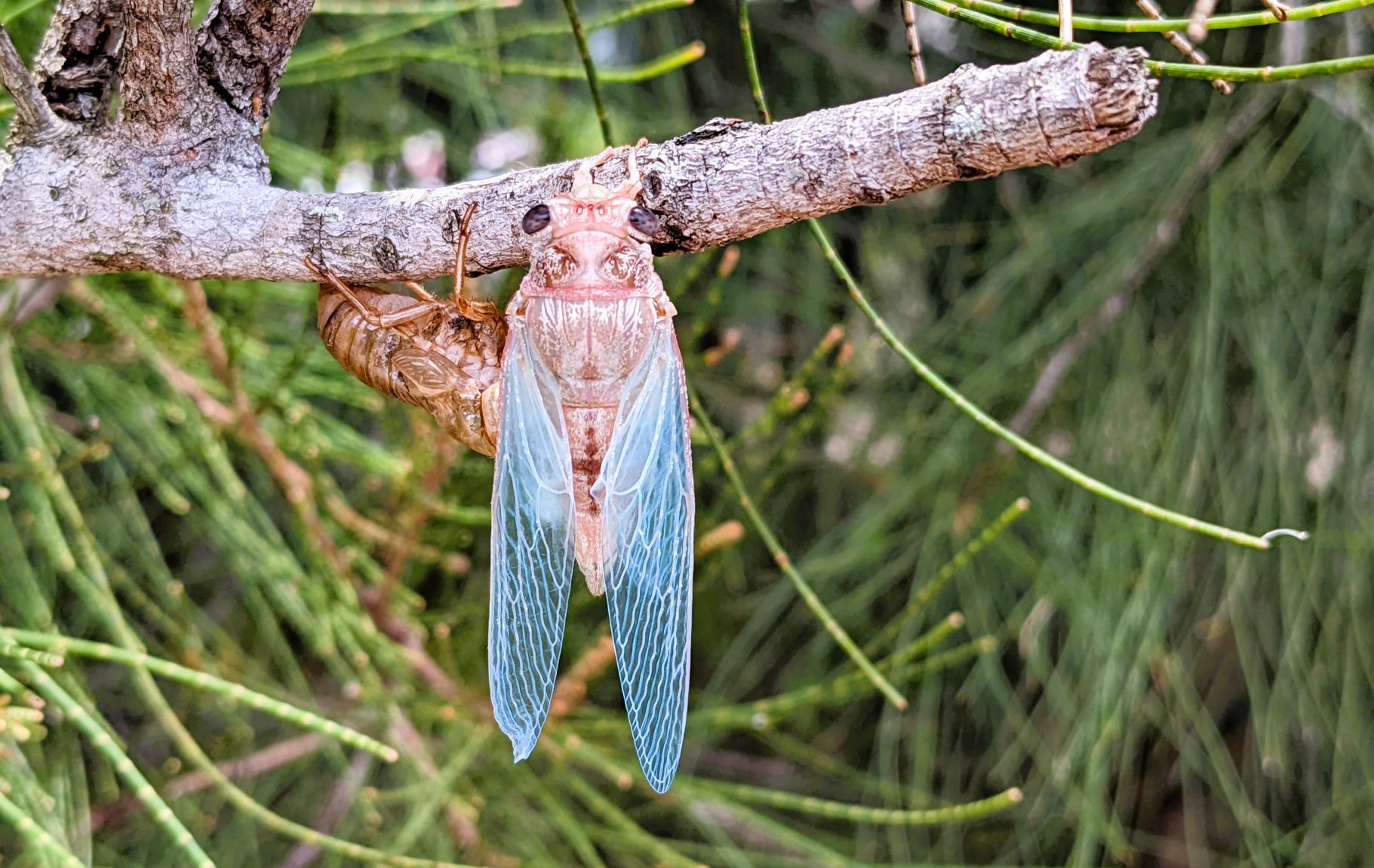
In Australia we know it is summer when the Cicadas starts their chorus. Cicadas are the loudest insects in the world and emerge from their underground world in late spring and summer. The peak Cicada season is November and December.

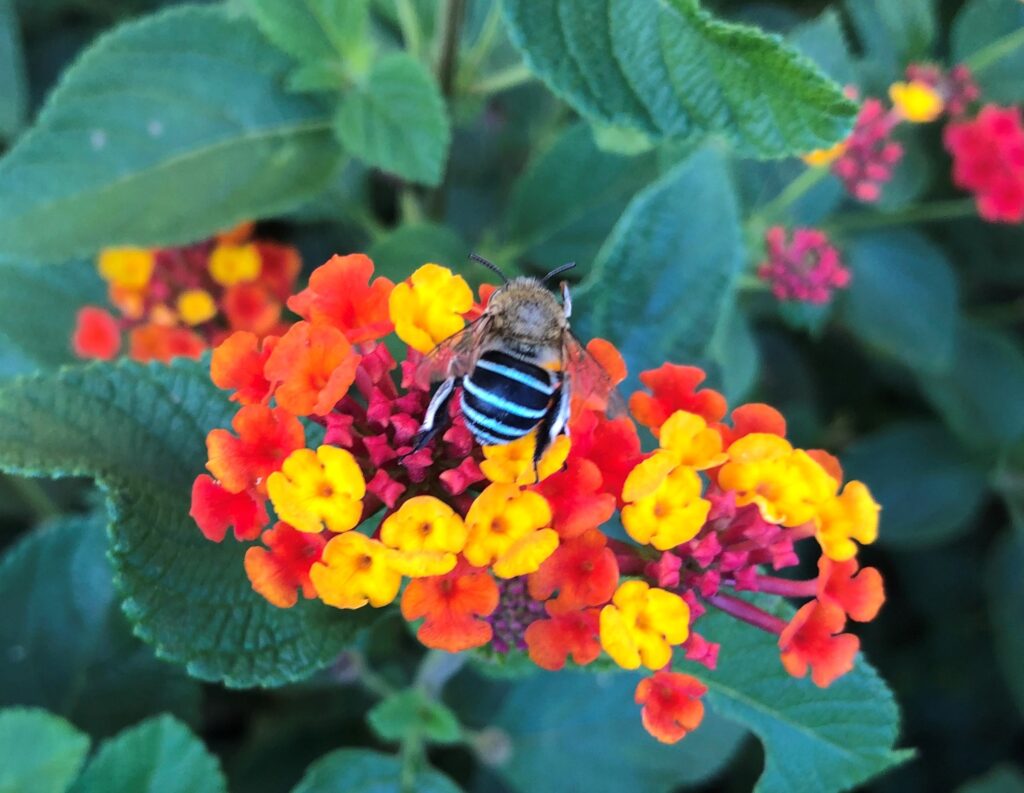
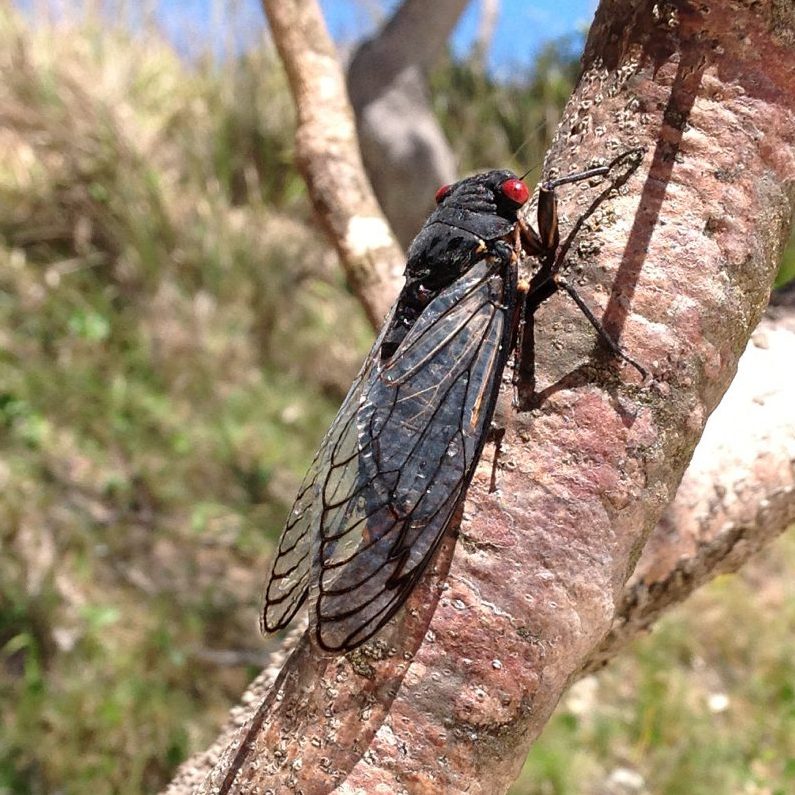
Cicadas Red Eye Cicada on tree
Red Eye Cicada Psaltoda moerens

Cicadas spend most of their life underground with many large Australian species living underground as nymphs for around 6-7 years. This is why in certain years some species are more abundant than others, there is often peaks every few years.

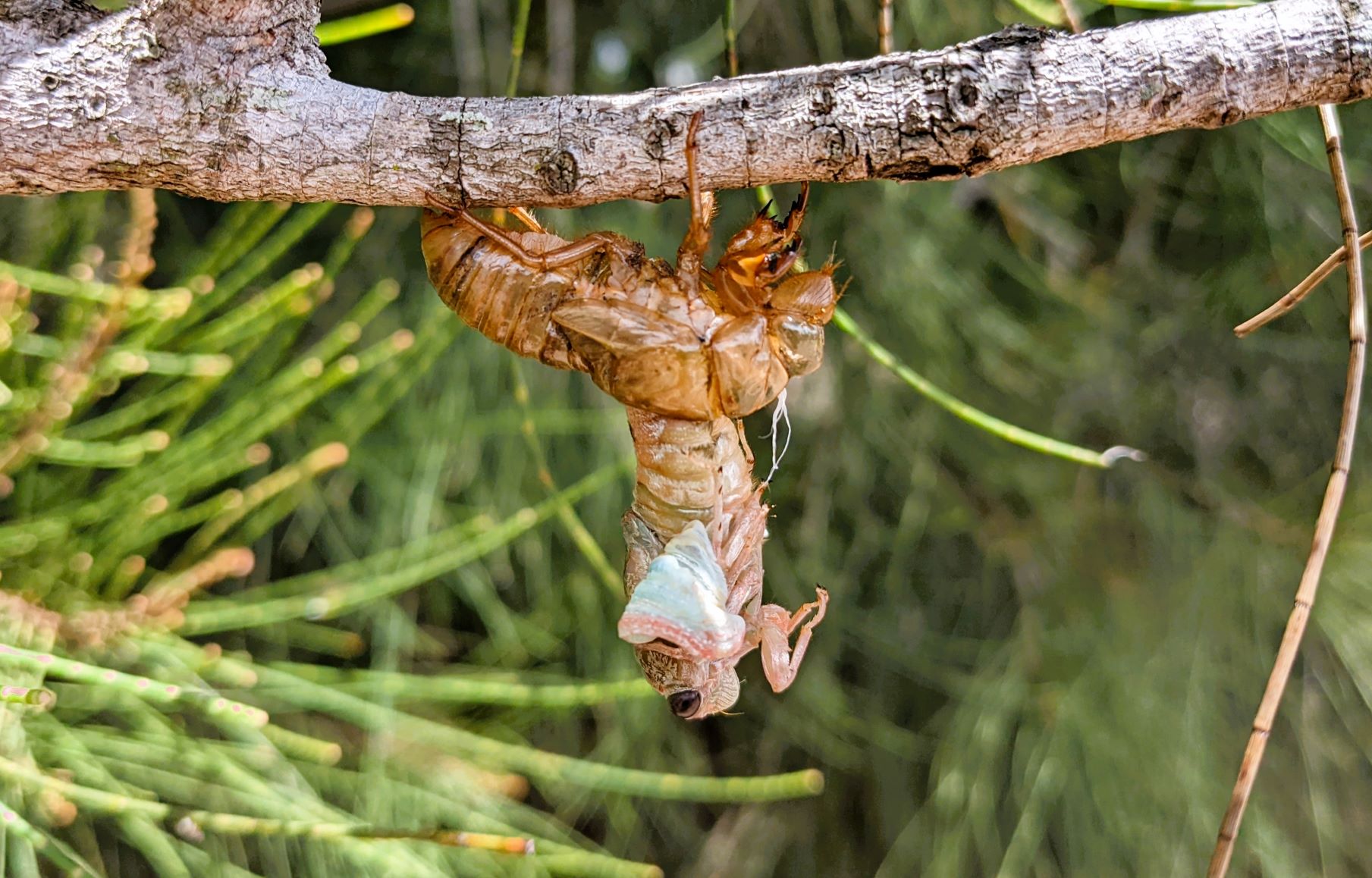
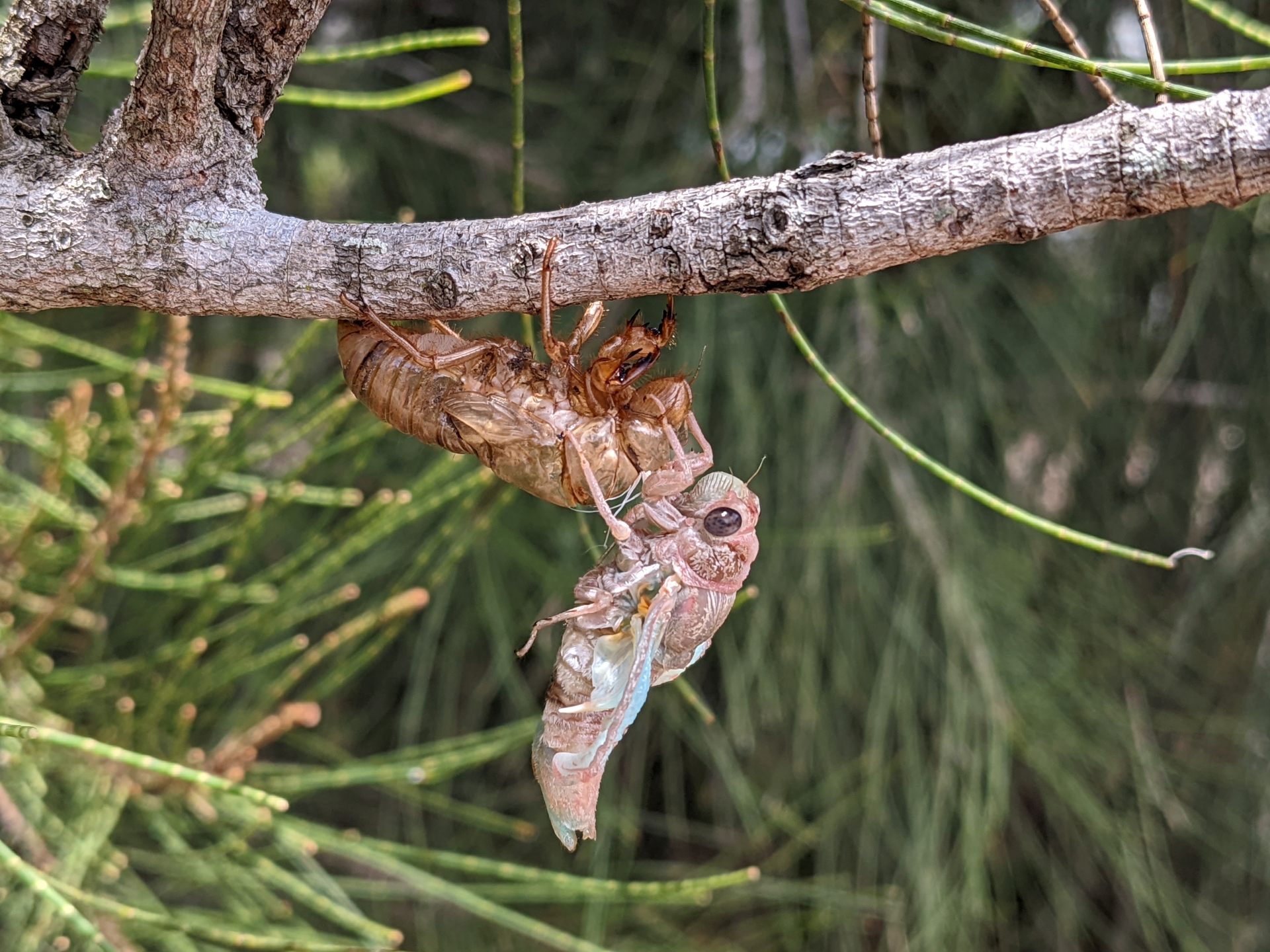
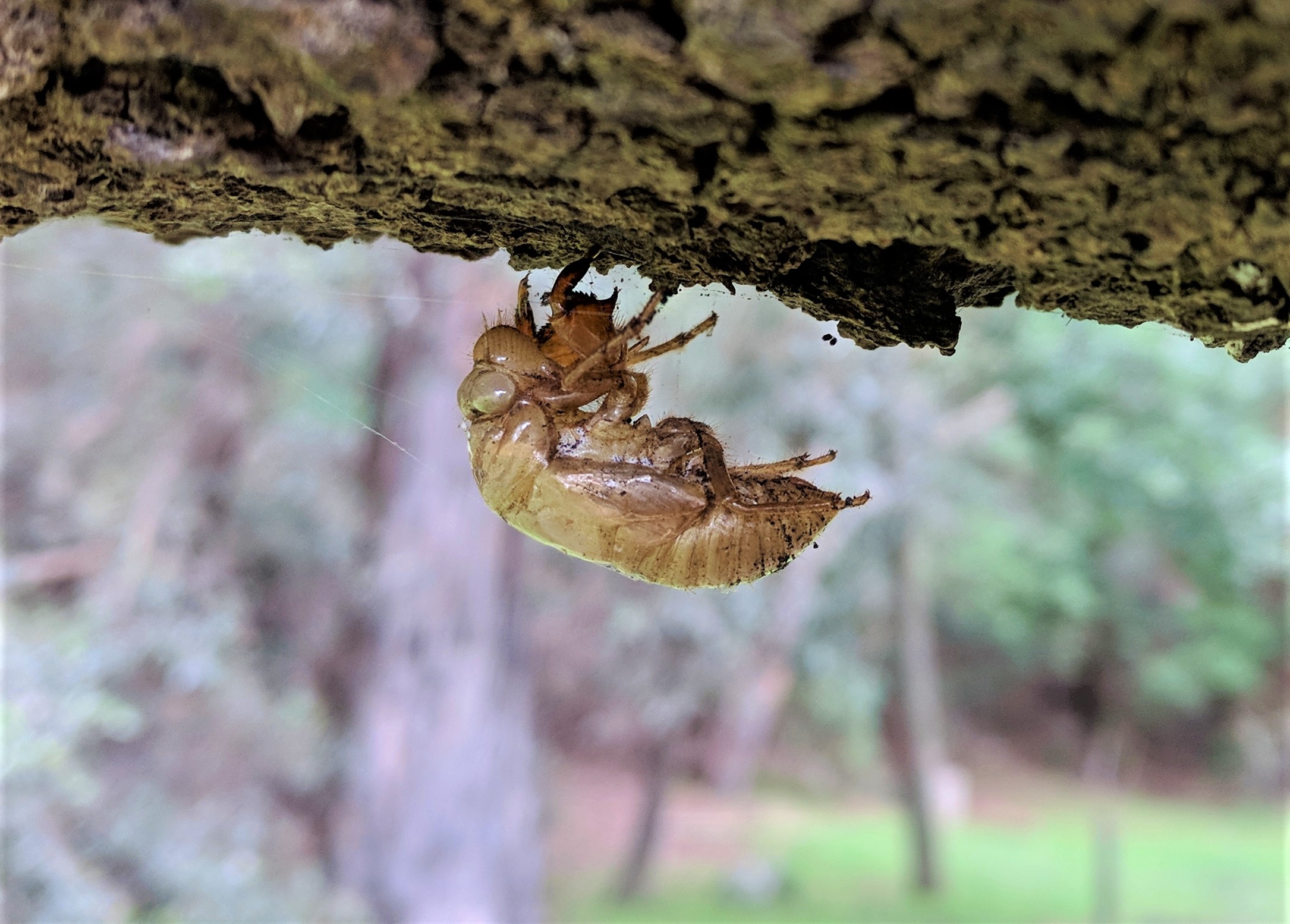
Listen out for the sounds of cicadas and keep an eye out for their exoskeletons on trees, walls, fences and shrubs.

The life of an adult cicada is very short, lasting only a few weeks. The female cicada lays its eggs by piercing plant stems and inserting the eggs into the slits it has made. The eggs hatch and are small, wingless nymphs. They fall to the ground and burrow below the surface. They live on the sap from plant roots and when the nymph reaches full size it digs its way to the surface. The nymphs then climbs on to a tree trunk or other object and sheds its skin for the last time. The fully-winged adult cicada which emerges leaves its old empty skin behind.

Watch the Cicada Lifecycle video form the Smithsonian’s National Museum of Natural History.

Did you know?

  • Australia has an estimated 750 to 1000 species of cicada
  • Only male cicadas sing. They do this in an attempt to find a mate.
  • Different species have different songs to attract only their own kind.
  • Adult cicadas have short lives, usually only a few weeks.
  • Most of their lives are spent as nymphs underground. For some species this can be up to several years.
  • Cicadas feed only on plant sap using their piercing, sucking mouthparts.
  • Cicadas feed on a huge range of plants, including eucalypts and grasses.
  • Birds, bats, spiders, wasps, ants, mantids and tree crickets all prey on cicadas.

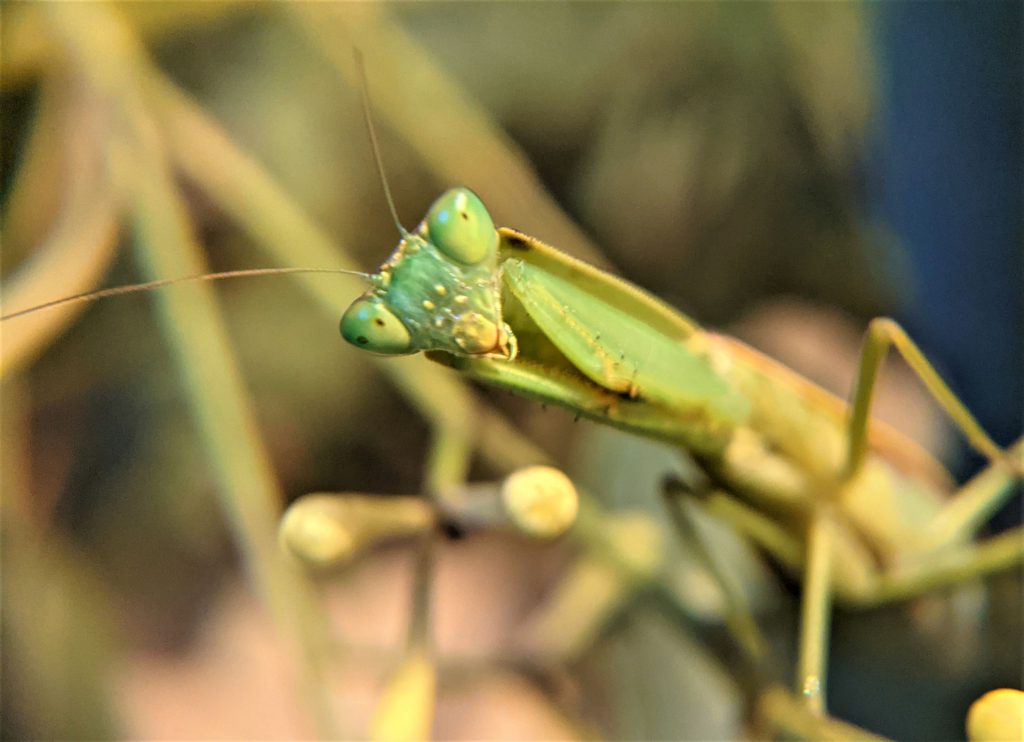
I heard a weird cicada sound during a walk around the Badu Wetlands in Sydney Olympic Park. As I got closer, I discovered a Praying Mantis devouring a cicada.

If you love cicadas too follow Cicadarama. They are an Australian-based project focused on learning about the lives of cicadas. They need your help, become a Citizen Scientist and log your Cicada sighting. https://www.cicadarama.com/

FrogID Week 2022

FrogID Week 2022 is on between 11 – 20 November.  This is the fifth FrogID Week and you can get involved. Australia is home to about 240 species of native Amphibians, all of which are frogs. In urban areas, human development has reduced the natural habitat available to frogs. FrogID Week is a great way to learn about frogs living in your backyard.

Help to record frog calls during FrogID Week using the free app and uncover which frogs live in your backyards, local parks and bushlands. Your recording can help identify changes to local frog populations and inform frog conservation across Australia. Download the free FrogID app today and help us count Australia’s frogs.

Watch the Focus on Frogs video to find out more about Frogs.

You can create a frog friendly garden

Frogs are very sensitive to water loss because their skin is permeable. This also means Frogs are really sensitive to chemicals. Frogs can end up absorbing chemicals that could harm or potentially even kill them. Pesticides can also deplete the frogs’ food source.

You can encourage frogs to come to live and breed in your backyard by creating a frog friendly garden. Create a small shallow pond in an area that is partly shaded or install a Frog Hotel.

Reducing chemicals use in your garden 

Creating a Frog Habitat 

Be patient and wait, if you build it they will come

Use FrogID to research the frogs that are found in you local area. This will help you work out what kind of habitat will suit your backyard best.

You can use PVC pipe to create a habitat for tree frogs. Frog Tubes are an easy way to provide somewhere safe for tree frogs to live too. Use a 1 metre length of PVC pipe and stick the base in the ground to tie them to a tree. It provides a really moist environment for tree frogs to hide in.

A Frog Hotel is a great option for tree frogs and provide them a safe place to hide during the day. Check out the video below for step by step instructions on how ro make a Frog Hotel.

Discover more about Frogs and some of their amazing adaptions. There are also lots of information to create a frog friendly backyard in your area.

Uncropped AEE logo with dragonfly icon

Underwater at Shelly Beach

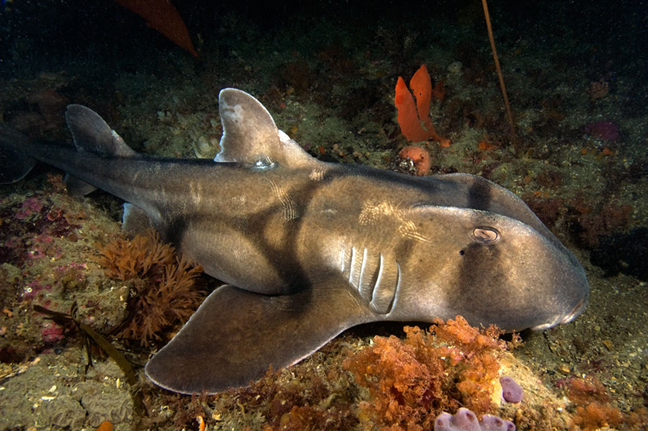
It was great to get back in the water after a long winter break. Hearing that there were Port Jackson Sharks (PJs) at Shelly Beach got me in the water today. I lost count after about 25, there were PJs everywhere. They varied in colour and most were under a metre long.

Port Jackson Shark

Port Jackson Shark, Heterodontus portusjacksoni are very common tis time of year, between May – October. The teeth of the Port Jackson Shark are not serrated and are used to hold and break, then crush and grind the shells of molluscs and sea urchins.

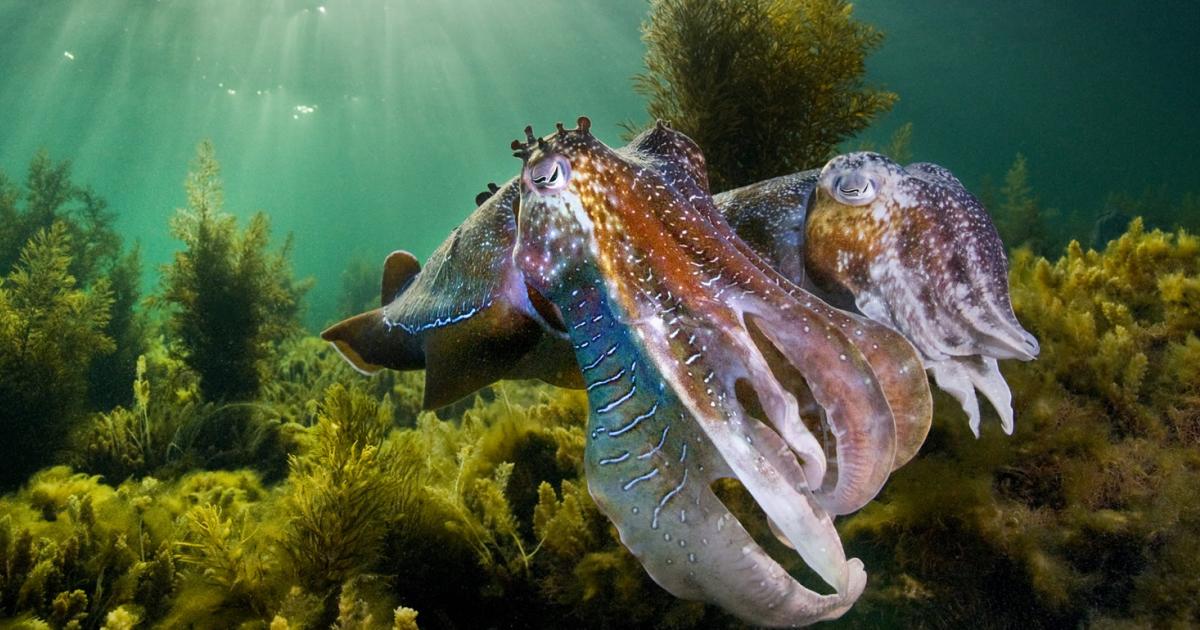
Giant Cuttlefish

The Giant Cuttlefish Sepia apama are one of my favourite animals to find on a dive. On our way back to shore I spotted one under under a rocky ledge and was excited to see a second Cuttle hiding too. They are inquisitive and playful and came out in the open to check us out.

Blue Groper

The Eastern Blue Groper Achoerodus viridis is a familiar sight for Sydney Divers. The friendly Blue Groper often follows you around while you are on a dive. I have been surprised more than once to turn around and be face to face with one of these guys. You can find out more about the Blue Groper on the Australian Museum website

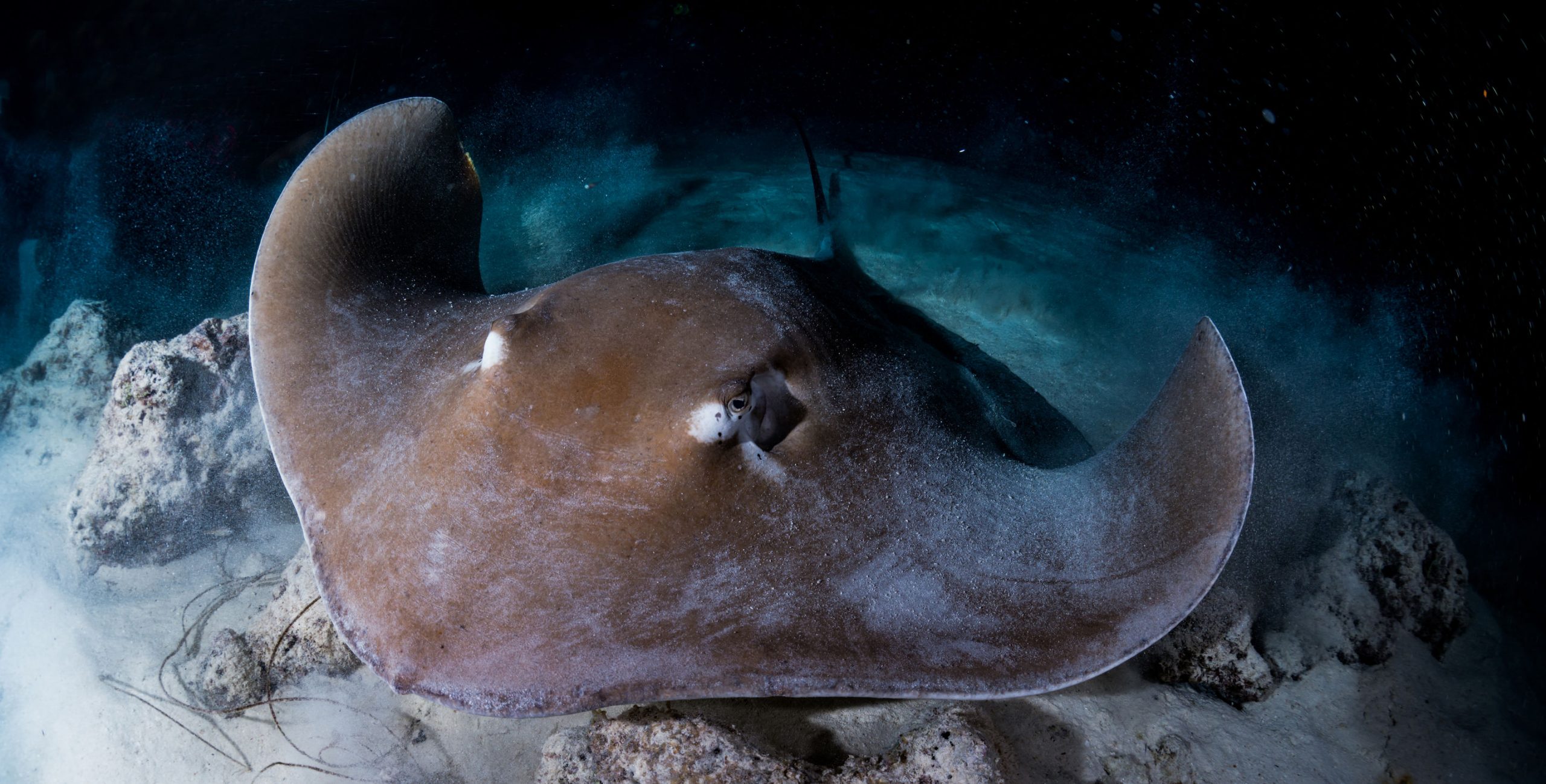
Smooth Stingray

We saw several Smooth Stingrays Bathytoshia brevicaudatais hiding in the sand when we were on the way back to shore. One was on top of the sand and the other had covered itself in sand. You could just see the outline of the stingray and the eyes sticking out above the sand. The Smooth stingray are the largest stingray in the world, but sometimes still hard to spot. Check out the video below (not my video).

What can you do to help preserve this amazing environment?

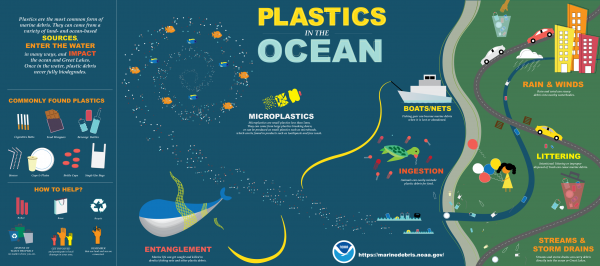
  • Remove any rubbish that you find in the water or on the beach
  • Remove any bits of fishing line and nets that you see
  • Be aware that what you do on land impacts our marine systems downstream
Plastics in the Ocean Infographic
Australian Environmental Education logo with dragonfly

World Mangrove Day

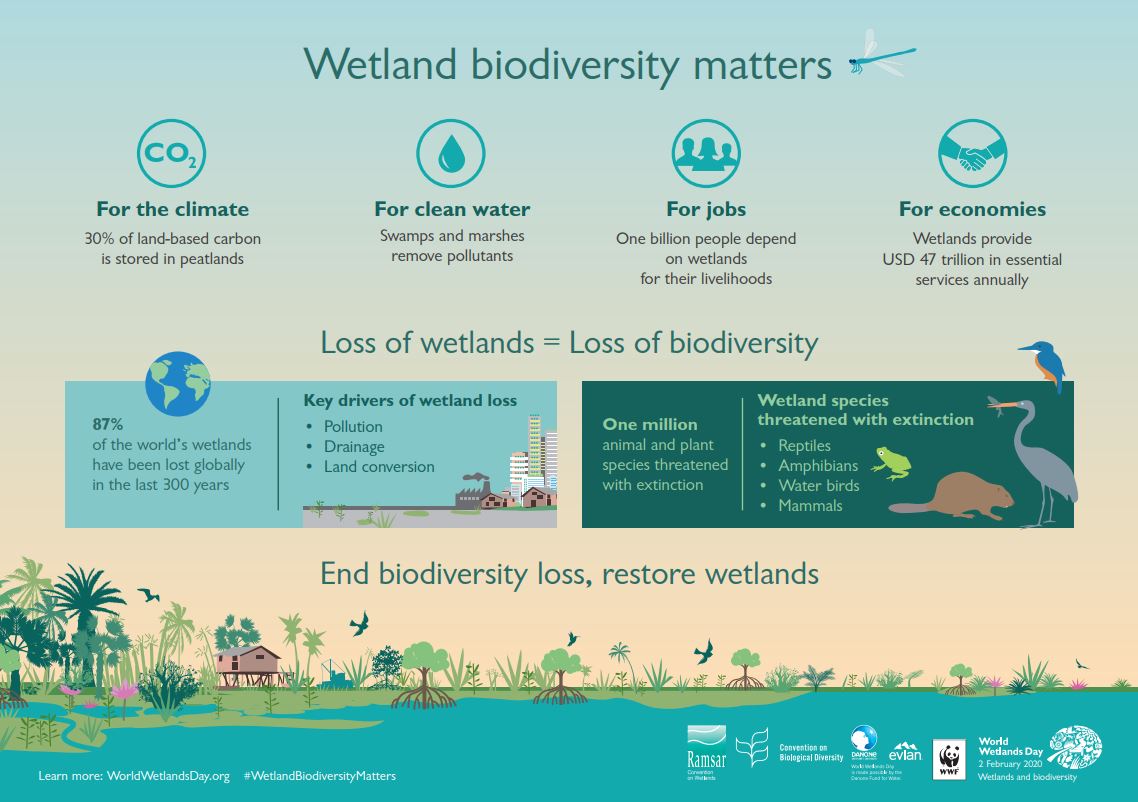
Mangroves are a vital ecosystem that benefit our environment, economy, and communities. However they are severely under threat. An estimated 67% of historical mangrove habitat has been lost or degraded worldwide, with 20% occurring since 1980.

Wetland Biodiversity

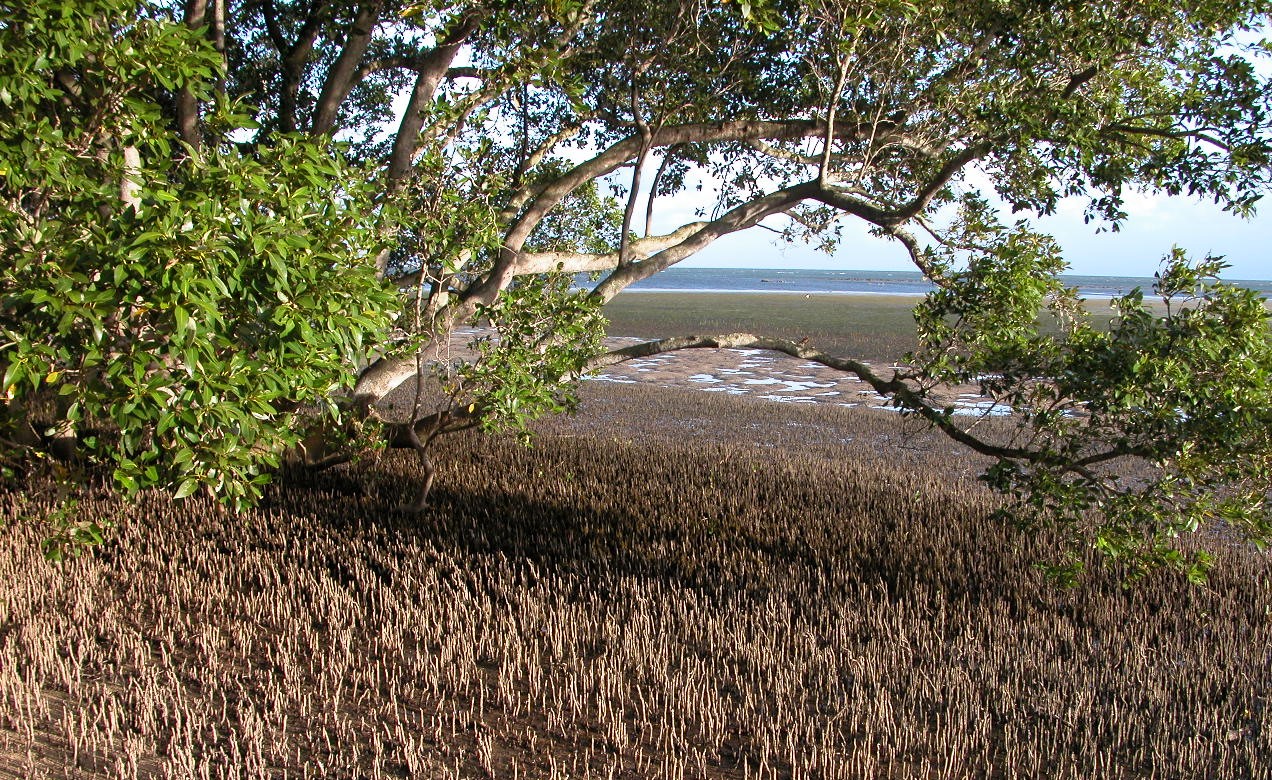
Mangroves are found in the intertidal zones of tropical, subtropical and protected temperate coastal rivers, estuaries and bays, where they grow in fine sediments deposited by rivers and tides. Mangrove trees have a characteristic growth form, including aerial structural roots and exposed breathing roots. This helps them cope with regular tidal inundation and a lack of oxygen in the soil.

Mangrove tree and pneumatophores in Moreton Bay, Qld. BoundaryRider

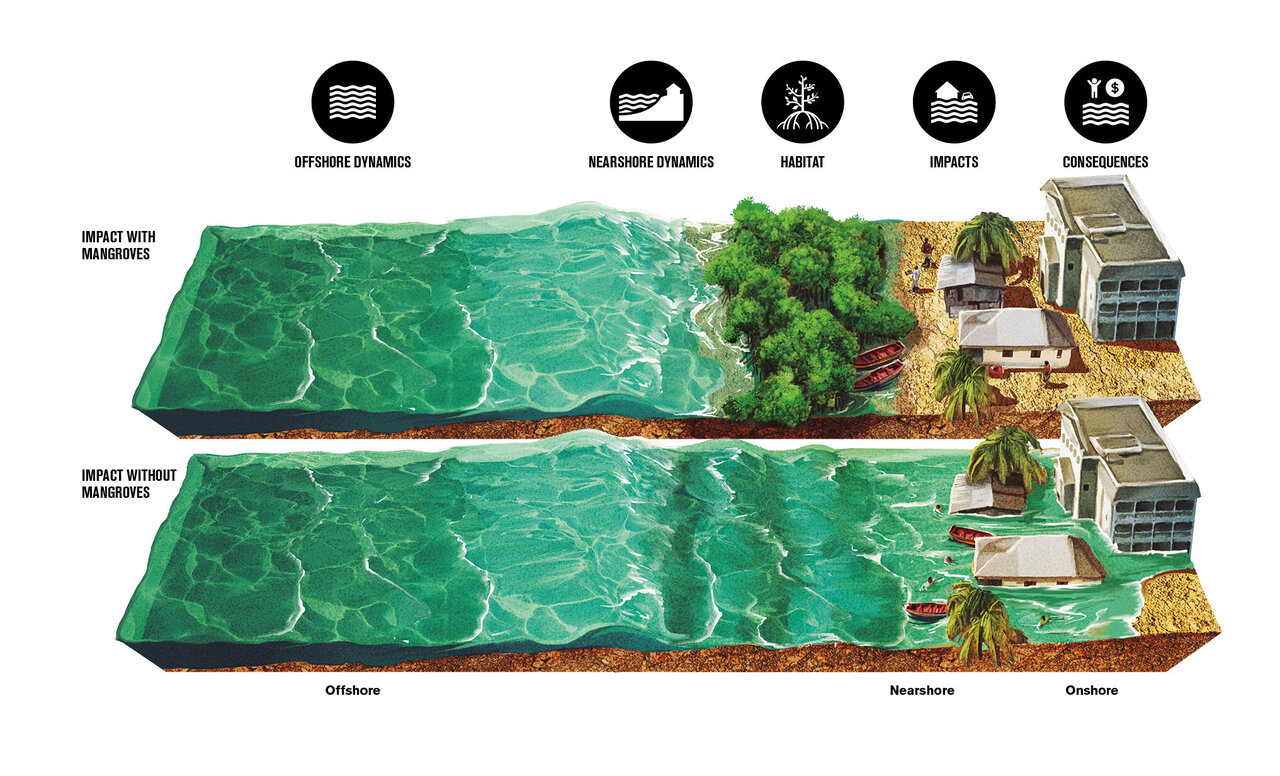
Illustration of how mangroves protect the shoreline

Mangrove forest protect coastlines from storm surges

Mangrove forests provide breeding nurseries for a wide range of fish and crustaceans, including many species of commercial and recreational value. The forests also provide a habitat for many marine invertebrates species. Terrestrial fauna including insects, reptiles, frogs, birds and mammals use mangroves for food, shelter, breeding and feeding grounds.

Mangrove forests occur in many of Australia’s coastal regions. Today the total area is only 0.9 million hectares or 0.6% of Australia’s native forest cover. Since 1980, we have lost half of the mangrove forests. Some countries have lost more than 80% of their mangrove population.

Explore your local mangroves this weekend. If you are in Sydney head to the Badu Mangrove Boardwalk in Bicentennial Park and you’ll discover surviving riverside wetlands that shelter colourful waterbirds plus the largest mangrove forest remaining on the Parramatta River.

Uncropped AEE logo with dragonfly icon

World Frog Day

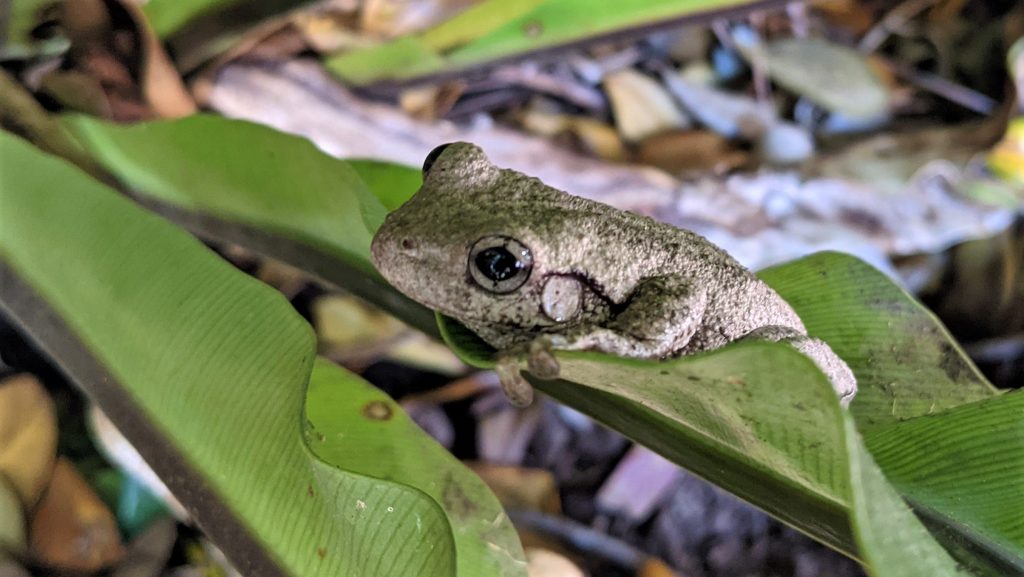
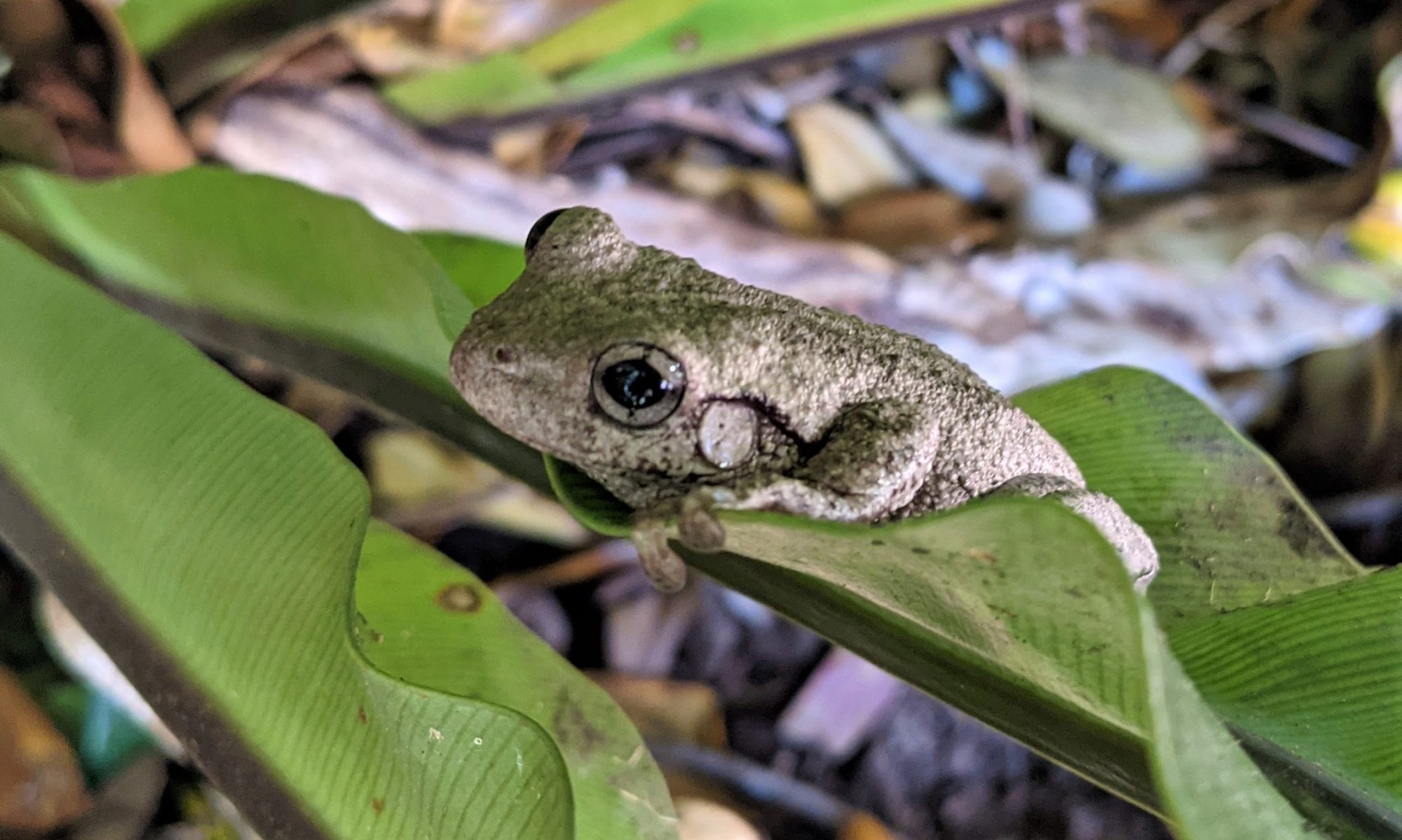
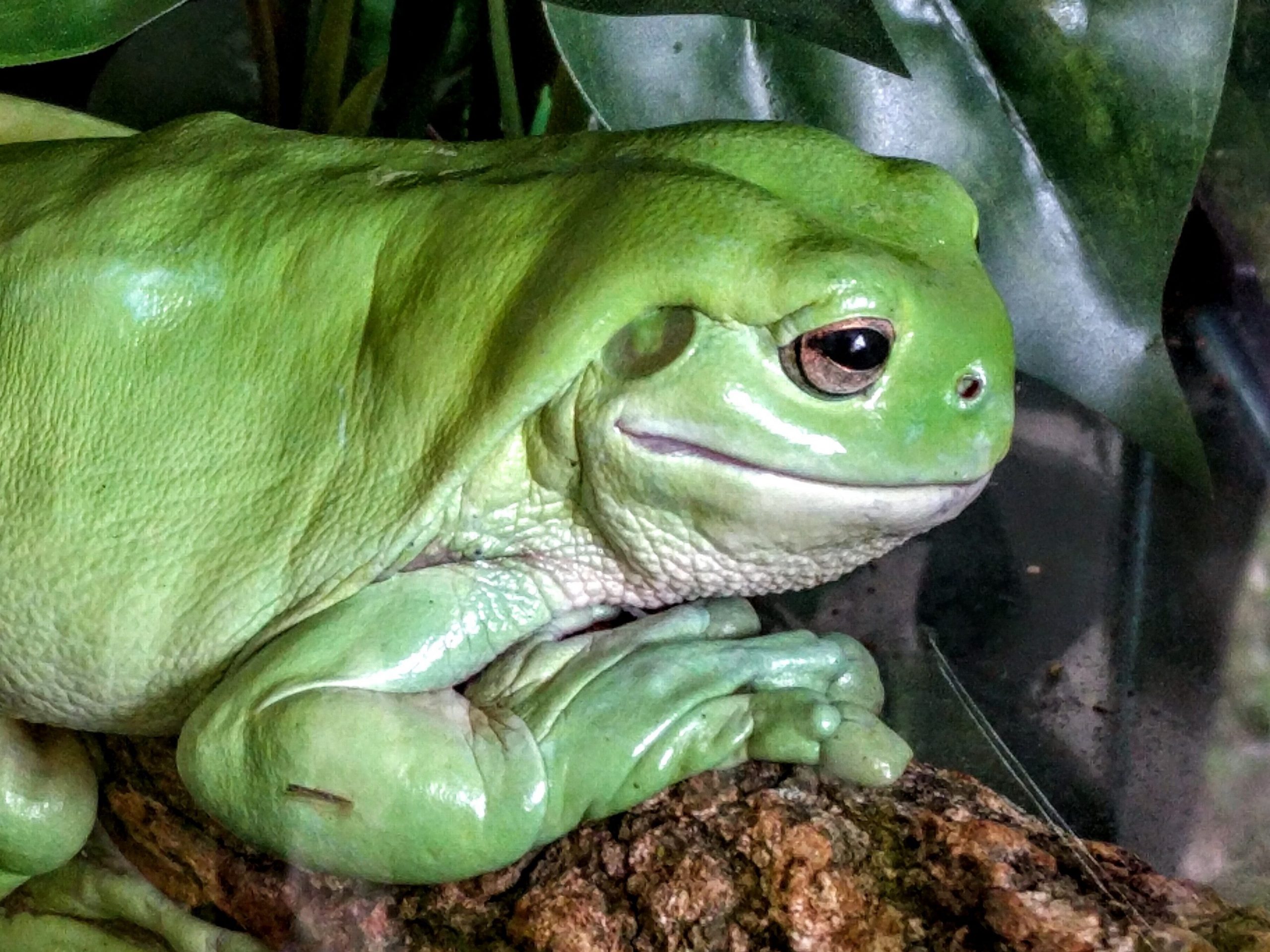
Discover the frogs living in your local area this World Frog Day. Did you know that Australia has over 245 species of frog, most that are found nowhere else in the world. You can encourage frogs into your backyard by creating a frog friendly garden.

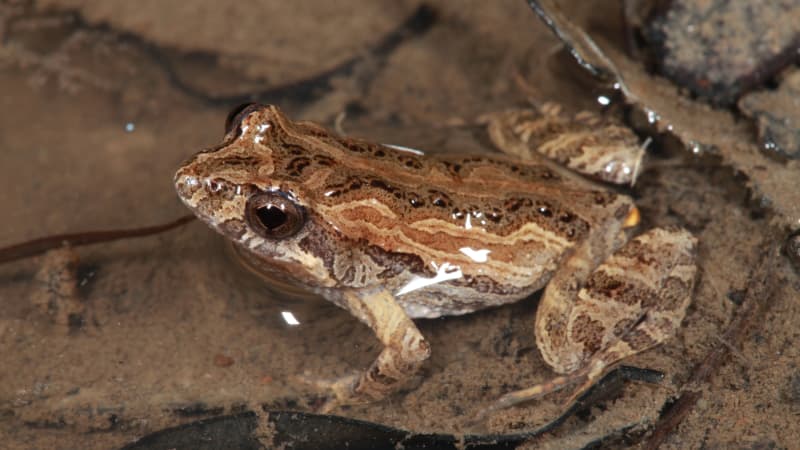
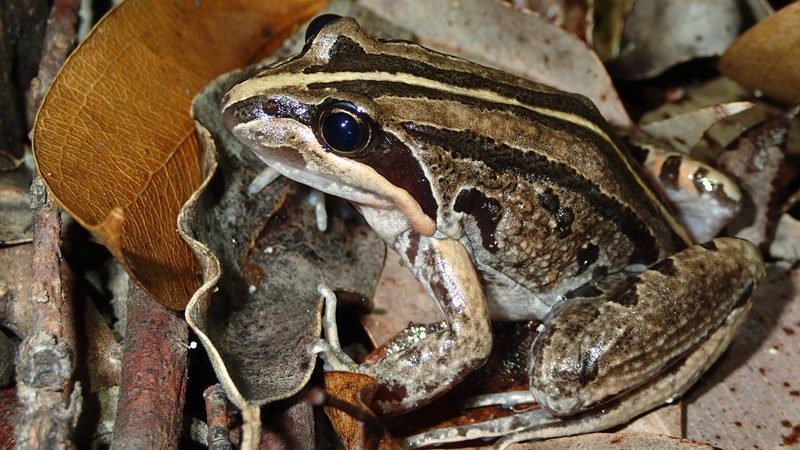
In urban areas, human development has reduced the natural habitat available to frogs. Some species are doing well like the Striped Marsh Frog, Peron’s Tree Frog and Common Eastern Froglet. Unfortunately other frog species have been in decline since the 1980s.

You can do your part to help local frogs by creating a frog friendly environment. This will encourage frogs to come to live and breed in your backyard. Create a small shallow pond in an area that is partly shaded or install a Frog Hotel.

Reducing chemicals use in your garden

Be patient and wait, if you build it they will come

Use FrogID to research the frogs that are found in you local area. This will help you work out what kind of habitat will suit your backyard best. You can use PVC pipe to create a habitat for tree frogs. Frog Tubes are an easy way to provide somewhere safe for tree frogs to live too. Use a 1 metre length of PVC pipe and stick the base in the ground or tie them to a tree. It provides a really moist environment for tree frogs to hide in.

A Frog Hotel are another great option for tree frogs and provides them a safe place to hide during the day. Check out the video below for instructions on how ro make a Frog Hotel.

Discover more about frogs and some of their amazing adaptions. There is also information to help you create a frog friendly backyard.

Australian Environmental Education logo with dragonfly

SeaWeek 2022

SeaWeek is a campaign to focus community awareness, provide information and encourage an appreciation of the sea. The dates are on 5 – 13 March 2022 and this years theme is Our SEArch – what will you discover?. The theme is based on the Ocean Literacy Principle that the Ocean is largely unexplored.

Composite image of the key marine environments; ocean, coral reef and mangroves
Key marine environments; ocean, coral reef and mangroves

I relate to this years theme as I love exploring the coastline and below the oceans waves. There is always so much to discover if you look. I have a range of resources to learn more about our marine world and for your to discover something new this SeaWeek.

FREE On Demand session

My Journey Beneath the Waves takes you and your students on an exploration of the marine environment. The temperate waters around Sydney are home to a variety of habitats including kelp beds and sponge gardens. These are wonderful place to dive and discover the diversity of animals that live there.

I talk about my experiences SCUBA diving and take you on a journey beneath the waves to explore this wonderful world.

Education Resources

Oceans contain the greatest diversity of life on Earth. Habitats range from the freezing polar regions to the warm waters of the coral reefs, deep sea hydrothermal vents to shallow seagrass beds and beautiful sponge gardens to giant kelp forests, marine organisms are found everywhere.

Caring for our Coasts

Australia is home to the over 10,000 beaches and no part of Australia is more than 1,000km from the ocean. Our coasts are impacted by our actions on land. Rubbish and microplastics can be found washed up on almost every Australian beach.

Pollution and rubbish get washed into our rivers and waterways with stormwater runoff and end up on our coasts and oceans. Over 75% of this rubbish is plastic. Plastics in the environment can take hundreds of years to break down, thereby impacting marine species for generations.

The Beach Survey provides a starting point to understand the types of rubbish in the marine environment.

The Beach Clean up can help you work together as a team and community to remove this of rubbish.

I have also create a collection of On Demand videos looking at marine environments and caring for the coast.

SeaWeek gives us a fantastic opportunity to promote educational issues of relevance to the marine environment.

Australian Environmental Education logo with dragonfly