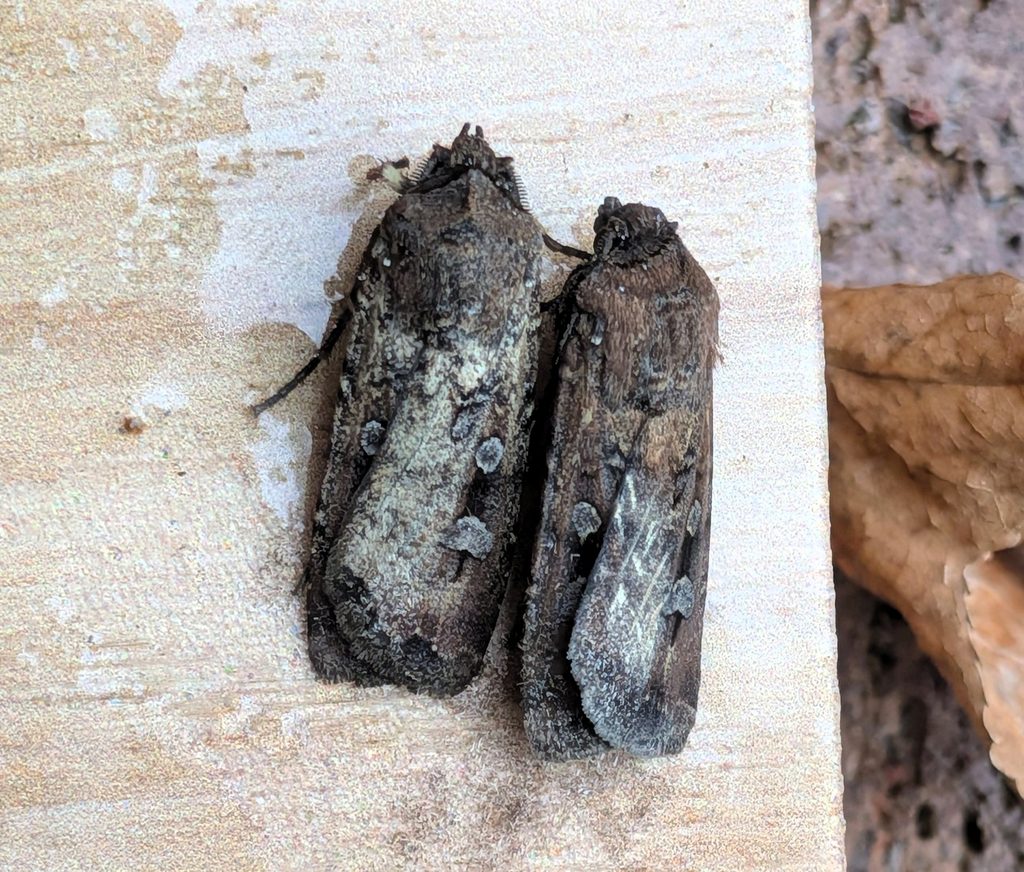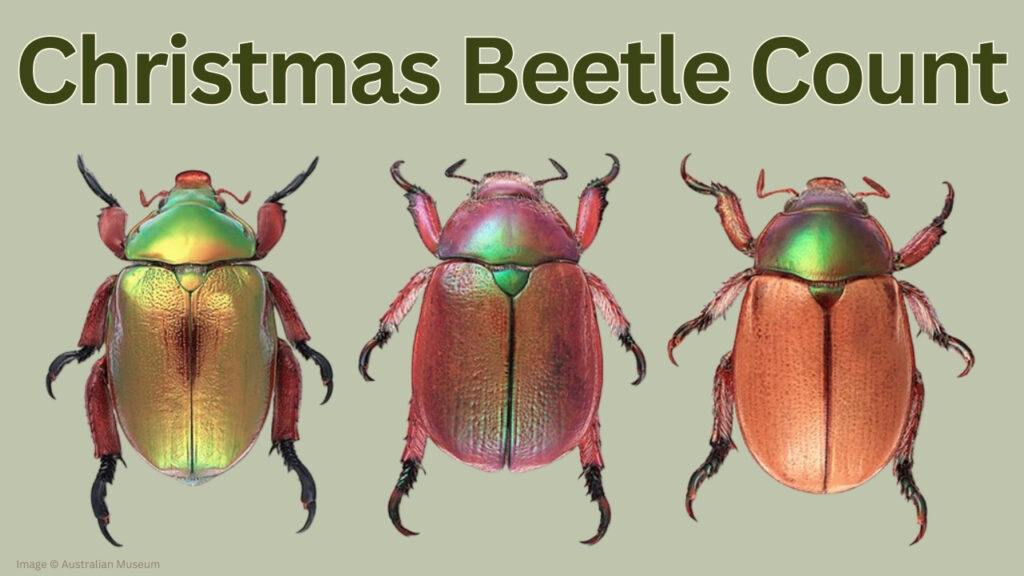
Christmas beetles Anoplognathus spp are a group of iconic Australian insects that emerge in early spring and are associated with Christmas. In the past, millions of these large, colourful beetles used to fly around in December and January.
You can become a citizen scientist and help us track Australia’s Christmas beetle population! Beetles start emerging in November and will continue to fly until late January. If you see a suspected Christmas beetle, take a photo and upload to iNaturalist.
Christmas Beetles have vibrant colours and the adults emerge close to the Christmas period. Christmas Beetles come from surrounding bush and feed on eucalyptus leaves. The larvae are white and C-shaped, similar to those of flower chafers and stag beetles and feed on grass roots.
Tips for identifying Christmas Beetle can be found on the Australian Museum website. You can also download the Xmas Beetles ID Guide mobile app.
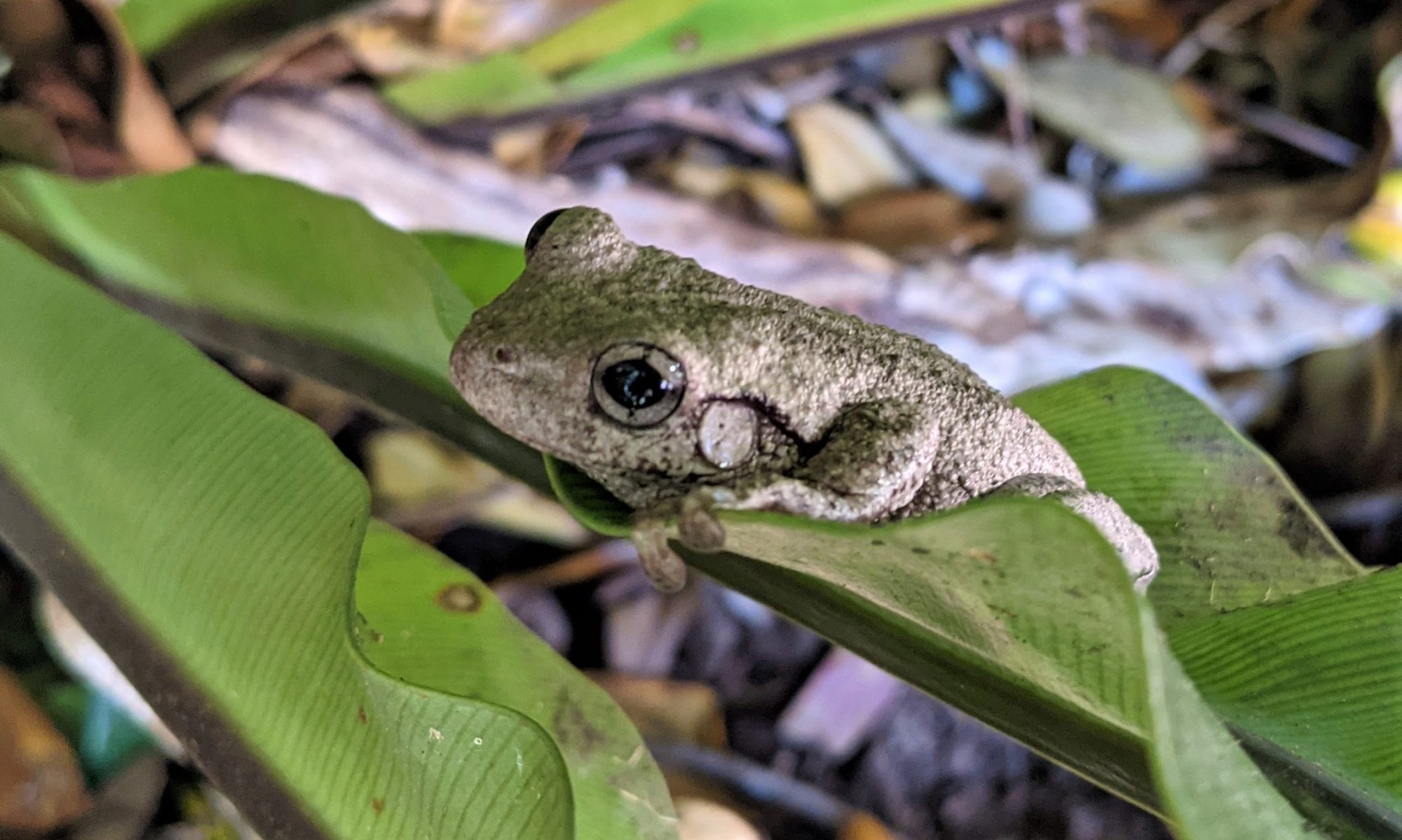
From 7–16 November, join me and tune into the sounds of your local wetlands, gardens, and bushland to help record Australia’s incredible frog diversity. This is one of my favourite citizen science events of the year. It is simple, fun and so valuable for understanding about frog biodiversity and the health of our environment.
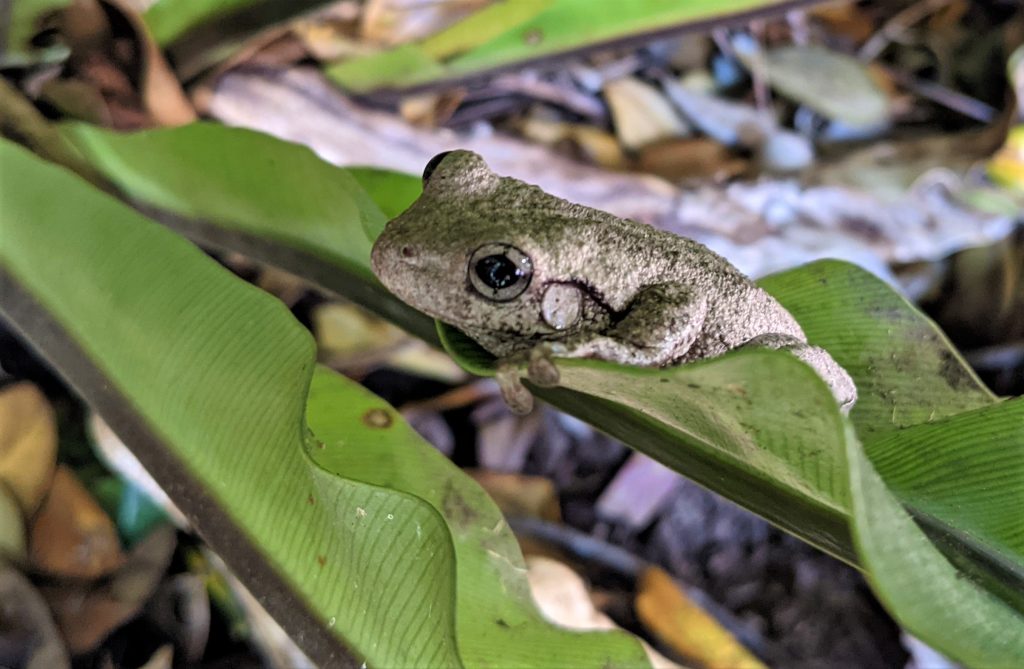
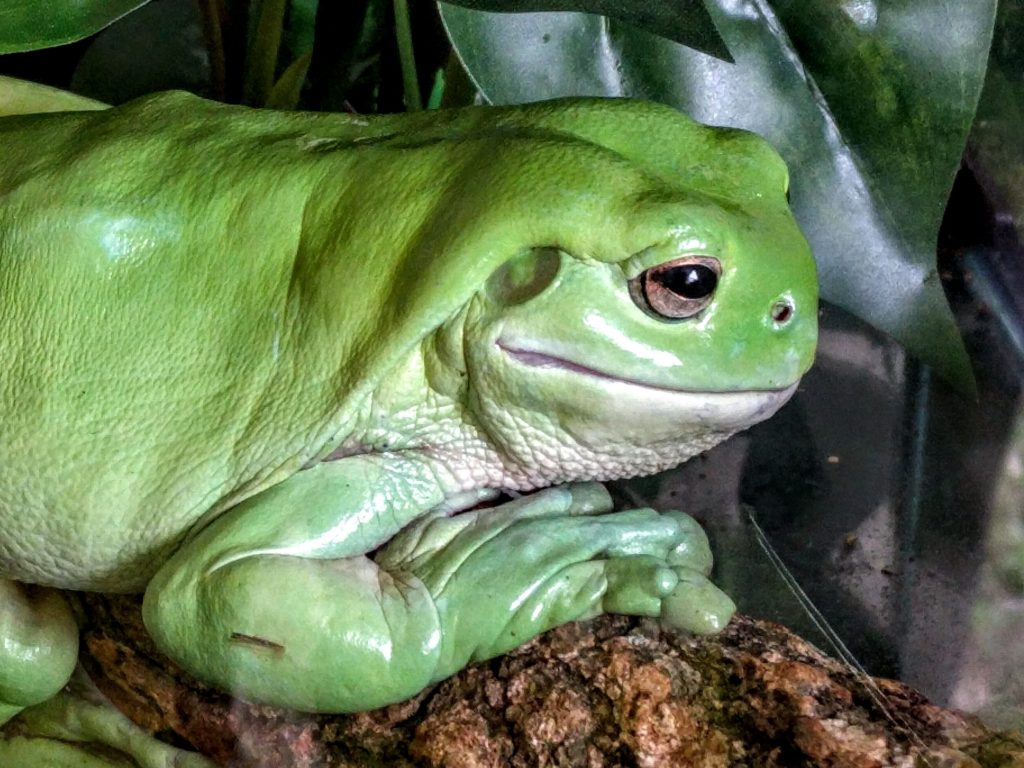
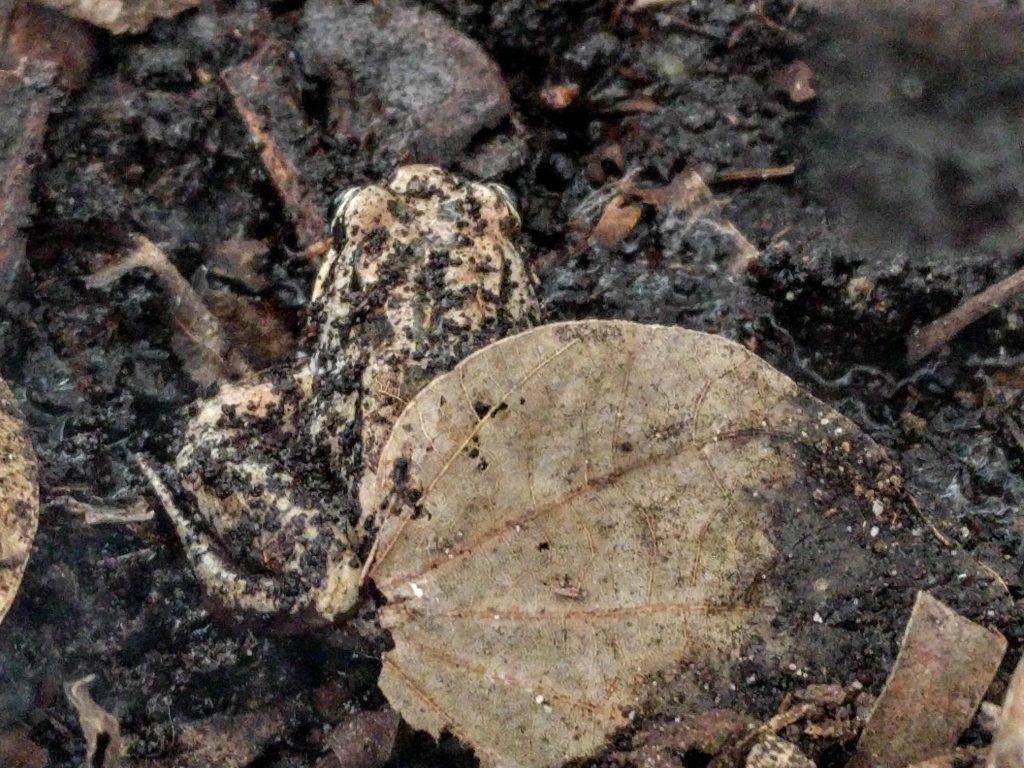
FrogID Week is a national event coordinated by the Australian Museum that encourages everyone to record frog calls using the free FrogID app. Each frog species has its own distinctive call, so your recording helps scientists accurately identify species and monitor where frogs are thriving — and where they might be in trouble.
By sharing your recordings, you’re contributing to a long-term database that tracks changes in frog populations across Australia. It’s an easy way to make a real difference for science and conservation — all from your backyard or local park.
How to Get Involved
You don’t need any special equipment or experience — just your ears, your curiosity, and a smartphone.
Listen for frog calls after rain, at dusk, or at night.
Record what you hear — the app automatically tags your location and sends your recording to experts at the Australian Museum.
Check your results — you’ll get feedback identifying which frog species you heard!
You can record from anywhere: a bushwalk, a local pond, your backyard, or even a roadside ditch after rain. Every single call helps build a clearer picture of Australia’s frogs.
Create a frog friendly Backyard
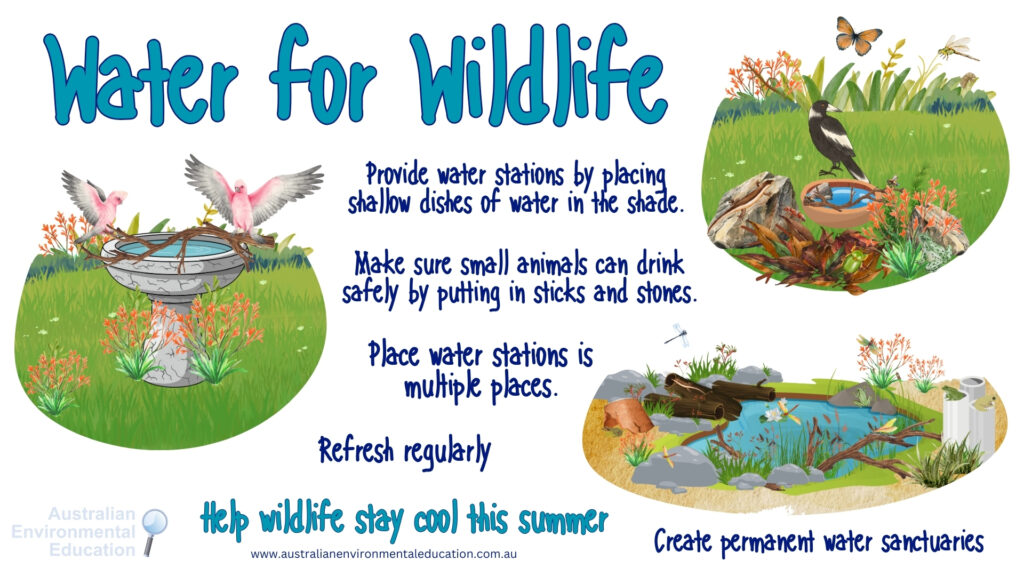
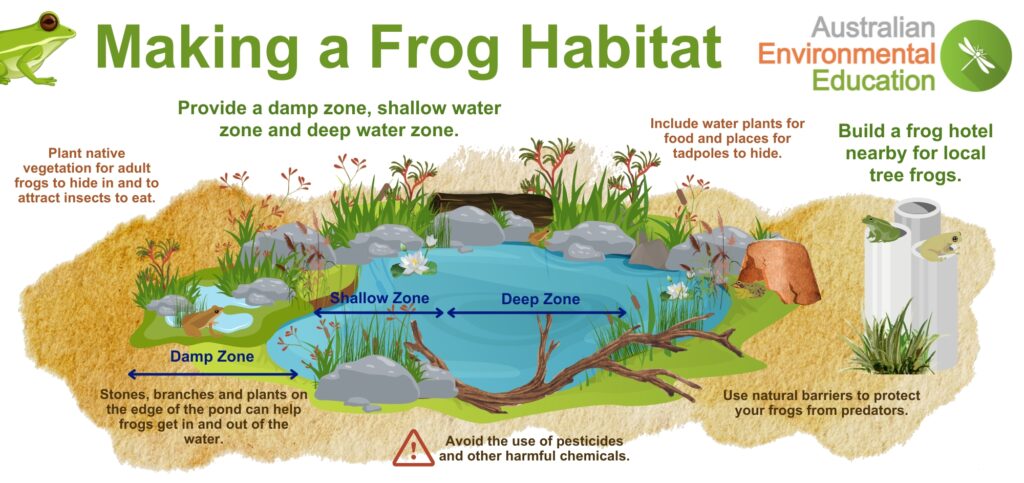
You can encourage frogs to come to live and breed in your backyard by creating a frog friendly garden. Create a small shallow pond in an area that is partly shaded or install a Frog Hotel. You can create these habitat that supports them year-round.
Add a small pond or water dish with shallow edges.
Provide shelter with rocks, logs, or native plants.
Avoid using chemicals or pesticides — frogs are very sensitive to pollutants.
Create moist, shaded areas where frogs can hide during the day.
Keep your garden lights low at night to reduce disturbance.
Even small changes can make a big difference. Frogs will find your garden naturally once they know it’s a safe and welcoming place.
Whether you live in the city, by the coast, or in the bush, there’s a good chance you’ll find a few frog friends nearby. So, step outside and tune into nature’s chorus. Record the sounds of your local frogs and be part of Australia’s biggest frog count!
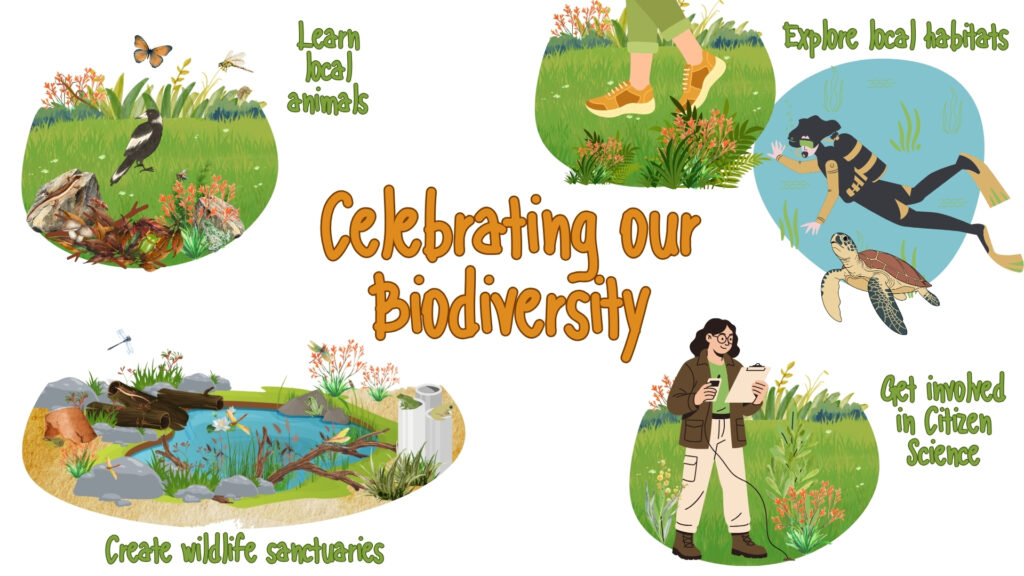
September is Biodiversity Month and it is time to celebrate the incredible variety of life on our planet and to reflect on the role each species plays in keeping our world healthy. From tiny insects in our gardens to the whales roaming our oceans, every living thing is connected, and together they create the web of life that sustains us all.
Biodiversity is more than just a list of species. It’s the richness of life at every level – from the genetic diversity that helps species adapt, to the variety of ecosystems that provide us with clean air, fresh water, fertile soils, food, and medicines. Healthy ecosystems are resilient ecosystems, able to recover from challenges like climate change and continue supporting life for generations to come.
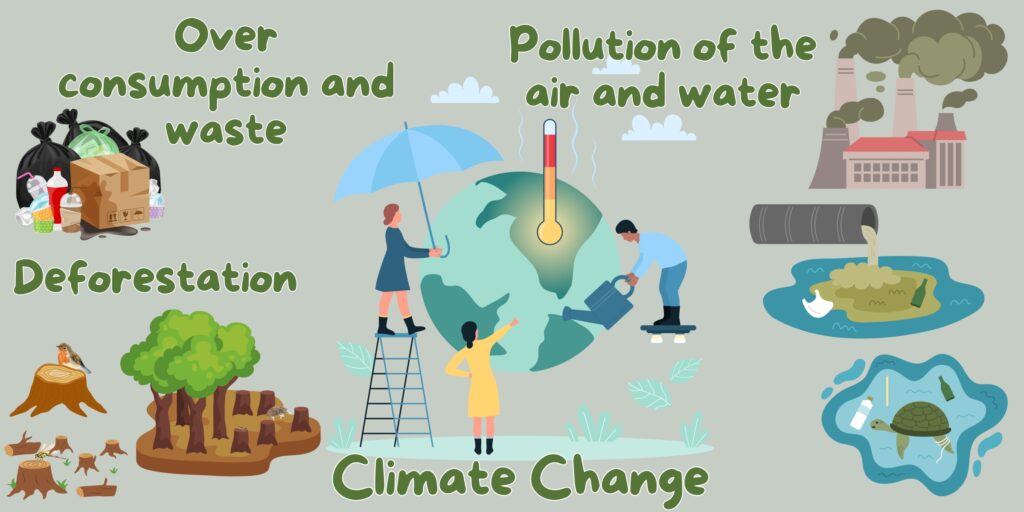
Unfortunately, biodiversity is under serious pressure. Habitat loss, pollution, overuse of natural resources, and climate change are causing species to disappear at an alarming rate. Each loss weakens the balance of nature and impacts us directly.
But there is hope – and we can all play a part.
Protect and restore habitats by planting native species in your backyard.
Support conservation programs and policies that safeguard wildlife.
Make sustainable choices every day – reduce waste, save water, and choose products that don’t harm the environment.
Share what you learn – education and awareness are powerful tools for change.
During September take time to connect with nature. Listen for the frogs in your local wetlands, notice the pollinators visiting your flowers, or simply enjoy a walk in a nearby park. These moments remind us that we are part of nature, not separate from it.
Record frog calls for the Australian Museum’s FrogID project and help track the health of frog populations.
Join Pollinator Count and discover which insects are visiting flowers in your garden or schoolyard.
Take part in river, beach, parkor school clean-ups and collect data on marine debris to protect our oceans.
Snap photos of wildlife for the iNaturalist project, contributing to a global biodiversity database.
Help monitor birds through the Aussie Backyard Bird Count.
Explore your local waterways with Waterwatch, measuring water quality and spotting freshwater life.
Every action, no matter how small, helps. Together we can protect the richness of life on Earth and ensure that biodiversity continues to thrive well into the future.
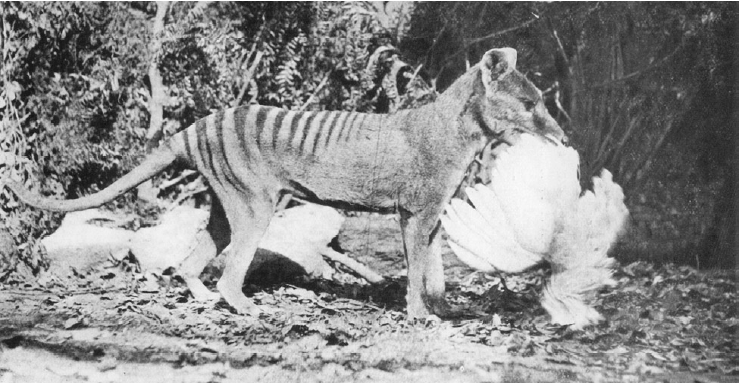
Threatened Species Day is recognised across the Australia on 7 September every year to raise awareness of plants and animals at risk of extinction. Threatened Species Day acknowledges the death of the last remaining Thylacine, Tasmanian tiger at Hobart Zoo in 1936.
Australia is renowned for its extraordinary wildlife, with unique species that can’t be found anywhere else in the world. But with this rich biodiversity comes an unfortunate reality: many of our native animals are on the brink of extinction. Since European settlement, more than 100 species have been lost.
Unfortunately Australia is home to more than 1,800 species currently listed as threatened, including mammals, birds, reptiles, amphibians, and plants. Threatened Species Day is a call to action. It’s a moment to reflect on the species we’ve lost and a powerful reminder to protect those we still have.
The key drivers of species decline in Australia include:
Habitat destruction: Urbanization, land clearing for agriculture, and mining have destroyed vast areas of natural habitat.
Invasive species: Introduced animals such as foxes, cats, and rabbits have devastated native wildlife populations.
Climate change: Rising temperatures, bushfires, and prolonged droughts are pushing species beyond their limits.
Pollution: Waterways and ecosystems are increasingly under threat from pollution, including plastic waste.
How You Can Help
Saving Australia’s threatened species might seem daunting, but there are actions each of us can take to make a difference. Here are some meaningful ways to get involved:
Support Conservation Organizations
Many non-profit organizations across Australia work tirelessly to protect threatened species and their habitats. Supporting groups like the World Wildlife Fund (WWF), the Australian Wildlife Conservancy, or local wildlife rescue centers through donations or volunteering can make a huge difference. Your contribution helps fund research, habitat restoration, and species recovery programs.
Create Wildlife-Friendly Spaces
Whether you have a sprawling backyard or a small balcony, creating wildlife-friendly spaces is a practical way to help. Planting native trees and shrubs provides food and shelter for local birds, insects, and small mammals. Installing nesting boxes for birds, possums, or microbats can also offer safe havens for these creatures. Even small actions like placing water bowls out during the hot summer months can support local wildlife.
Say No to Single-Use Plastics
Plastic pollution is a major threat to marine life, with countless animals affected by ingesting or becoming entangled in plastic waste. Reducing your reliance on single-use plastics—like bags, straws, and packaging—can prevent these items from ending up in our oceans and rivers. Opt for reusable alternatives and dispose of waste responsibly.
Be a Responsible Pet Owner
Pets, especially cats and dogs, can pose significant threats to native wildlife. Keeping your pets indoors or supervising them outside, especially in areas where threatened species may live, can prevent them from hunting or disturbing local animals. Desexing pets and ensuring they are microchipped helps reduce stray populations, which often prey on wildlife.
Get Involved in Citizen Science
Many conservation programs rely on the public to help monitor species populations. Citizen science initiatives like BirdLife Australia’s backyard bird count, the Australian Koala Foundation’s koala surveys, or FrogID allow everyday Australians to contribute to important scientific data. These efforts help researchers track changes in populations and better understand the needs of threatened species.
Advocate for Stronger Environmental Laws
While individual actions are important, systemic change is essential for long-term conservation success. Stay informed about environmental issues and advocate for stronger environmental protections, particularly when it comes to land clearing, mining, and deforestation. Contact your local representatives, sign petitions, and participate in community meetings where decisions about land use are being made.
A Shared Responsibility
Saving Australia’s threatened species is a shared responsibility. Each one of us has a role to play, whether it’s through everyday actions like reducing waste, getting involved in local conservation projects, or speaking up for stronger environmental protections.
Threatened Species Day is a moment for reflection, but it’s also a call to action. Together, we can ensure that future generations have the chance to witness the beauty and diversity of Australia’s wildlife—not just in pictures or history books, but in the wild, where these creatures belong.
September marks Biodiversity Month, a time dedicated to appreciating and understanding the incredible variety of life on Earth. From the tiniest microorganisms to the largest mammals, biodiversity encompasses the entire range of species that inhabit our planet. This month offers a unique opportunity to reflect on the importance of preserving biodiversity and to recognise the intricate relationships that sustain our ecosystems.
Biodiversity refers to the variety of living organisms in a particular habitat or ecosystem. It includes the diversity within species (genetic diversity), between species (species diversity), and the diversity of ecosystems themselves. These elements work together to create the complex web of life that supports all living beings, including humans.
Biodiversity is crucial for maintaining ecological balance. Each species plays a specific role in its ecosystem, contributing to functions like pollination, nutrient cycling, and pest control. The loss of even a single species can disrupt these processes, leading to unforeseen consequences.
Biodiversity also directly impacts human health and well-being. Many of our medicines, foods, and materials are derived from natural sources. A diverse ecosystem also provides clean air, water, and fertile soil, all of which are essential for our survival.
Many cultures around the world have deep connections with nature. Biodiversity is woven into traditions, spiritual beliefs, and practices that define cultural identities. Protecting biodiversity is also about preserving this cultural heritage.
Ecosystems with high biodiversity are more resilient to environmental changes, such as climate change. A diverse gene pool allows species to adapt to new conditions, ensuring the survival of ecosystems even in the face of challenges.
Threats to Biodiversity
Despite its importance, biodiversity is under threat from various human activities. Deforestation, pollution, climate change, and overexploitation of natural resources are leading to habitat loss and species extinction at an alarming rate. According to the United Nations, around one million animal and plant species are now threatened with extinction.
How Can We Protect Biodiversity?
Supporting conservation projects, whether through donations, volunteering, or spreading awareness, is a powerful way to protect biodiversity. This includes preserving natural habitats, supporting wildlife protection laws, and creating more protected areas.
Adopting sustainable practices in our daily lives can significantly reduce our impact on the environment. This includes reducing waste, conserving water, choosing sustainably sourced products, and supporting eco-friendly companies.
Educating ourselves and others about the importance of biodiversity is crucial. The more people understand the value of biodiversity, the more likely they are to support conservation efforts and make environmentally conscious decisions.
Advocating for policies that protect biodiversity, such as stronger environmental regulations and support for renewable energy, can lead to significant positive changes on a global scale.
Whether you’re planting native species in your garden, participating in a local clean-up, or simply taking a moment to appreciate the natural world, every action counts.
Let’s commit to making small changes that contribute to a more sustainable future. By working together, we can ensure that the incredible variety of life on Earth continues to thrive for generations to come.
September is Biodiversity Month, a time to celebrate our natural wonders and diverse ecosystems. Biodiversity Month offers us the perfect opportunity to pause and appreciate the beauty, complexity, and importance of biodiversity. Biodiversity Month also encourages us to reflect on our relationship with the natural world and take action to protect it.
Biodiversity is the variety of life on Earth and is typically a measure of variation at the genetic, species, and ecosystem level.
Genetic diversity
Genetic diversity is the variety of genes within a species. Each species is made up of individuals that have their own particular genetic composition. This means a species may have different populations, each having different genetic compositions. To conserve genetic diversity, different populations of a species must be conserved.
Species diversity
Species diversity is the variety of species within a habitat or a region. Some habitats, such as rainforests and coral reefs, have many species. Others, such as salt flats or a polluted stream, have fewer. In Australia, more than 80% of plant and animal species are endemic, which means that they only occur naturally in Australia.
Ecosystem diversity
Ecosystem diversity is the variety of ecosystems in a given place. An ecosystem is a community of organisms and their physical environment interacting together. An ecosystem can cover a large area, such as a whole forest, or a small area, such as a pond.
Biodiversity Month serves as a reminder of the extraordinary diversity of life on our planet and the importance of preserving it. Biodiversity is not just a concern for scientists and conservationists; it’s a global responsibility that each of us can contribute to in our own way. Whether through education, advocacy, or personal lifestyle choices, we can all play a role in safeguarding the web of life that sustains us. So, this September, let’s celebrate and protect the incredible biodiversity that enriches our world.