
Coastal habitats are ecosystems where land meets sea, including beaches, dunes, cliffs, and salt marshes. They are diverse environments such as kelp forests, mangrove forests, and seagrass meadows, and are vital for marine life and coastal protection against erosion and storms.
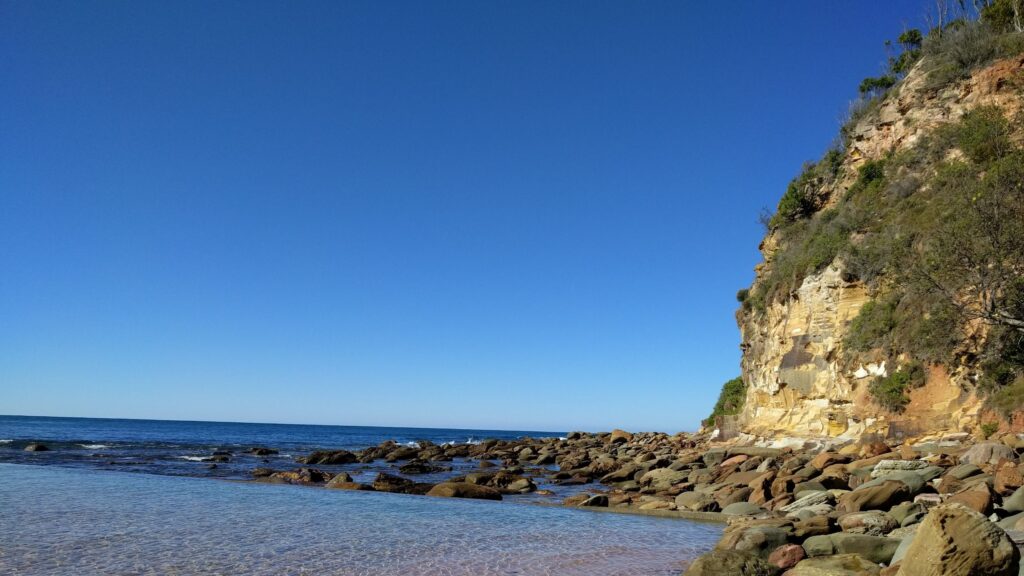
Types of coastal habitats:
- Intertidal zones: Areas that are covered by water at high tide and exposed at low tide, such as rocky shores with rock pools and oyster and mussel beds.
- Beaches and dunes: Sandy or rocky shorelines that can be home to specialized plants and burrowing animals.
- Estuaries: Areas where rivers meet the sea, creating brackish water that is important for many young marine species.
- Mangrove forests: Tree and shrub habitats in coastal wetlands that grow in muddy, salty water and are often submerged at high tide.
- Salt marshes: Wetlands in coastal areas that are flooded and drained with the tidal cycle, providing a habitat for many plants and animals.
- Seagrass meadows: Underwater habitats formed by flowering plants in shallow coastal waters that support a wide variety of marine life.
- Kelp forests: Underwater forests of large brown algae that provide shelter and food for a wide range of marine species.
- Coral reefs: Underwater structures made of calcium carbonate secreted by corals, which form diverse and complex ecosystems.
Why they are important
- Biodiversity: Coastal habitats are some of the most productive ecosystems on Earth, supporting a wide variety of species.
- Protection: They act as natural barriers, protecting the coastline from storms, floods, and erosion.
- Carbon capture: Habitats like salt marshes, mangroves, and seagrass beds are effective at capturing and storing carbon, which helps mitigate climate change.
- Economic value: Coastal habitats support important human activities like fishing and tourism.