The Paleogene Period is the first chapter of the Cenozoic Era. Lasting from about 66 to 23 million years ago, this was the time when the world as we know it today really started to take shape, especially for us here in Australia.
Immediately after the asteroid impact, the Earth was a quiet, ghostly place. But life is incredibly resilient. With the big predators out of the picture, the tiny mammals that had been scurrying in the shadows for millions of years finally had their chance to shine.
During the first parts of the Paleogene, the climate was incredibly warm and wet. Tropical rainforests stretched from the equator almost all the way to the poles!
Australia’s Flight North
This is the most exciting part of the Paleogene for us. At the start of this period, Australia was still attached to Antarctica as part of the dwindling supercontinent of Gondwana.
Around 50 million years ago, Australia finally broke free and began its long, lonely journey north toward the equator. This “separation” is the reason our wildlife is so unique today. By becoming an island continent, our plants and animals evolved in isolation for millions of years.
The Rise of the Marsupials
While “placental” mammals (like horses, elephants, and primates) were becoming the stars in the Northern Hemisphere, Australia was becoming the “Land of the Marsupials”.
One of our most important fossil sites for this era is Murgon in South East Queensland. The fossils found there, dating back about 55 million years, show us a glimpse of Australia’s earliest mammals, including:
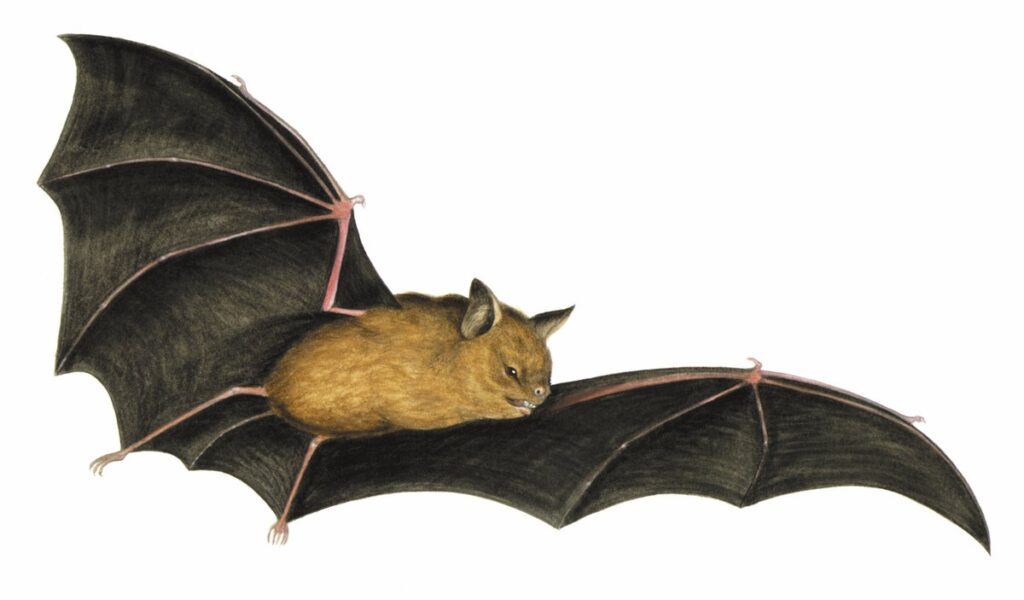
Australonycteris clarkae – Australia’s earliest known bat species. Estimated to be 55 million years old, this is one of the oldest bat
Giant Crocodiles and Turtles: Thriving in the warm, swampy rainforests that covered almost the entire continent.
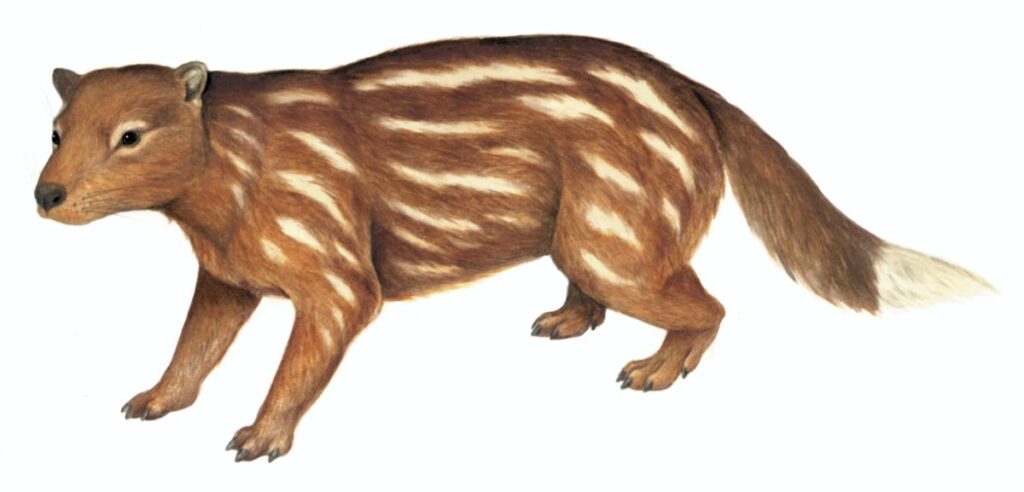
Tingamarra was a small ground-dwelling mammal that ate insects and fruit.
It was a condylarth – a member of an ancient group of placental mammals.
From Rainforests to Woodlands
As Australia drifted north, the Southern Ocean opened up behind us. This created the Circumpolar Current around Antarctica, which began to trap the cold air and create the Antarctic ice cap.
This change in ocean currents caused the global climate to cool and dry out. By the end of the Paleogene (the Oligocene), those lush Australian rainforests began to shrink, making way for the more open woodlands and grasslands that would eventually dominate our landscape.
The Ancestors of Modern Birds
Remember how I mentioned birds are the survivors of the dinosaurs? During the Paleogene, birds went through a massive “growth spurt.” In some parts of the world, giant “terror birds” became the top predators. Here in Australia, we see the ancestors of our iconic songbirds and parrots beginning to diversify in the Paleogene forests.
Why the Paleogene Matters
The Paleogene is the story of our origins. It’s when Australia became an island, when mammals took over the land, and when the modern climate systems we rely on today began to form. Without the geological “breakup” of this period, we wouldn’t have our kangaroos, koalas, or the incredible biodiversity that makes Australia so special.
Want to see what happened when these animals started getting REALLY big? Join me next time as we head into the Neogene, the era of the Australian Megafauna! You can dive deeper into our geological past on our Education Resources page.