At Australian Environmental Education, we believe that environmental education is inseparable from Indigenous history. We honour the First Nations people’s deep spiritual and physical link to this Country and strive to lead by their example in protecting our unique biodiversity and natural heritage.
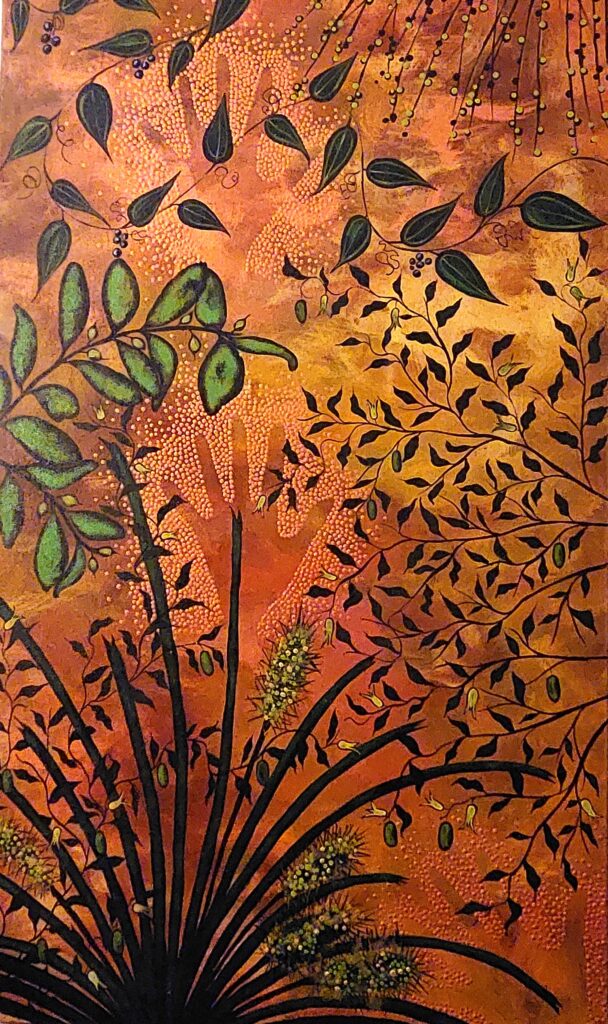
As educators, we are humbled by the sophisticated environmental management and ecological knowledge held by the First Nations people. We pay our respects to Elders past and present, and we extend that respect to all Aboriginal and Torres Strait Islander peoples today. We commit to weaving the spirit of “Caring for Country” into our educational programs, ensuring that the wisdom of the world’s oldest living culture continues to inspire the environmental stewards of tomorrow.
Greening Australia © Janelle Randall-Court
Caring for Country: Our Commitment
At Australian Environmental Education, we recognise that the health of our environment is inextricably linked to the cultures and practices of First Nations people who have managed this continent for millennia. We commit to the following principles in our work:
Honouring First Scientists: We integrate Aboriginal and Torres Strait Islander perspectives into our programs, recognising Indigenous knowledge as the foundation of Australian environmental science.
Language Matters: Use traditional place names alongside local names where known and appropriate. Use traditional animals and plant names where known and appropriate.
Protecting Cultural Landscapes: We educate our students to identify and respect sacred sites, ensuring rich cultural heritage remains undisturbed.
Treading Lightly: Caring for Country is an active process of healing and protection. We practice and teach “Leave No Trace” principles. We aim to minimise physical impact on the environment during every lesson.
Sustainability: We ensure all resources used in teaching are ethically sourced and sustainable.
Our goal is to inspire a new generation of environmental stewards who value Country as both a natural wonder and a living cultural map.