In the natural world, survival is a game of hide-and-seek. Camouflage is a type of adaptation; a special feature or behaviour that helps a living thing survive. Animals use camouflage to:
- Avoid Predators: Blending into the background so they aren’t eaten.
- Ambush Prey: Staying invisible so they can sneak up on their next meal.
Australia and its surrounding oceans are home to some of the most sophisticated masters of disguise on Earth. Let’s meet four of my favourites!
The Pygmy Seahorse: Hippocampus bargibanti
The Specialist of the Reef
Found in the tropical waters of Northern Australia, the Pygmy Seahorse is one of the smallest vertebrates in the world, rarely growing larger than 2cm.
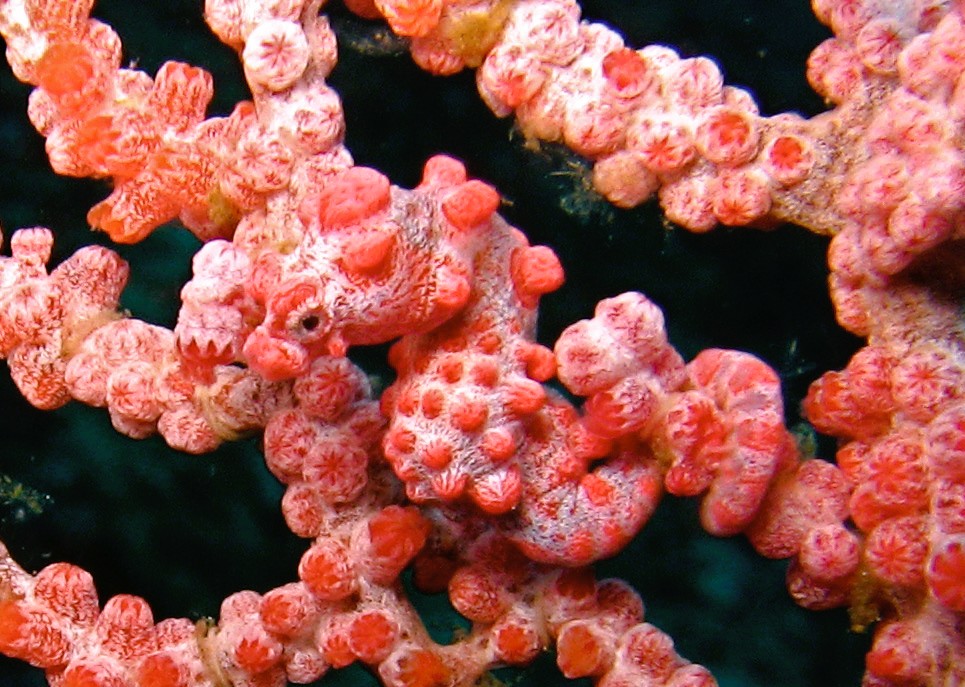
- The Trick: These tiny creatures live exclusively on Gorgonian corals. Their bodies are covered in small bumps called tubercles that perfectly match the color and texture of the coral’s polyps.
- The Science: This is a form of mimicry. By looking exactly like a branch of coral, they become invisible to passing fish. They are so good at hiding that they weren’t even discovered by scientists until 1969.
Giant Cuttlefish Family: Sepiidae
The Shape-Shifting Magician
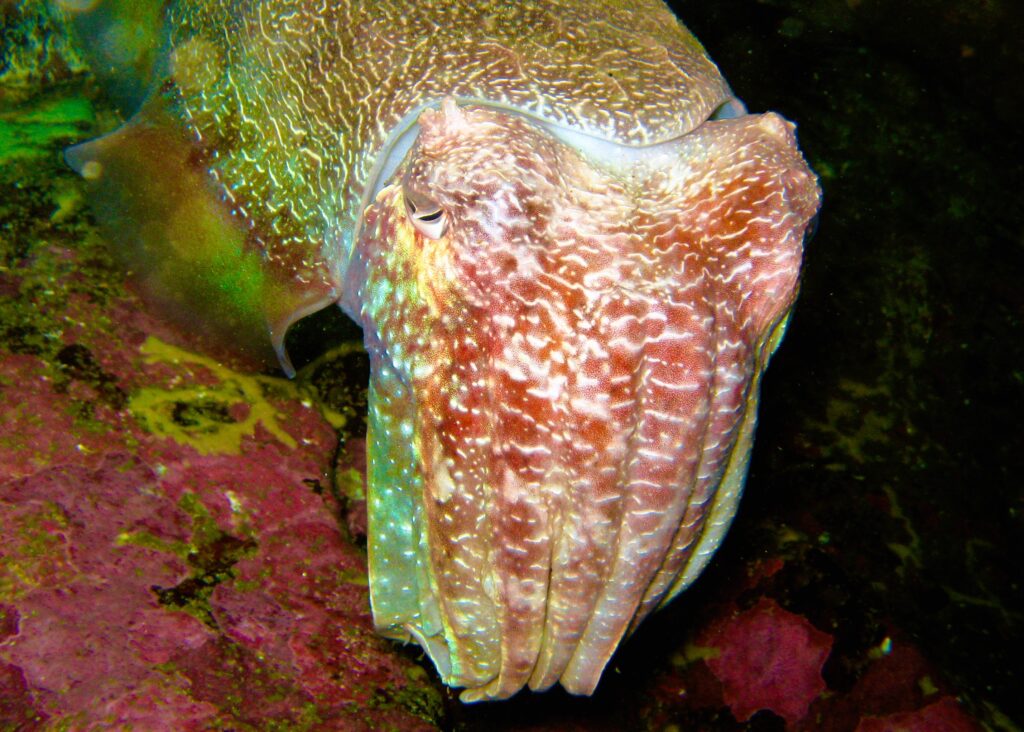
Commonly found along the southern coast of Australia, the Giant Cuttlefish is the “chameleon of the sea.”
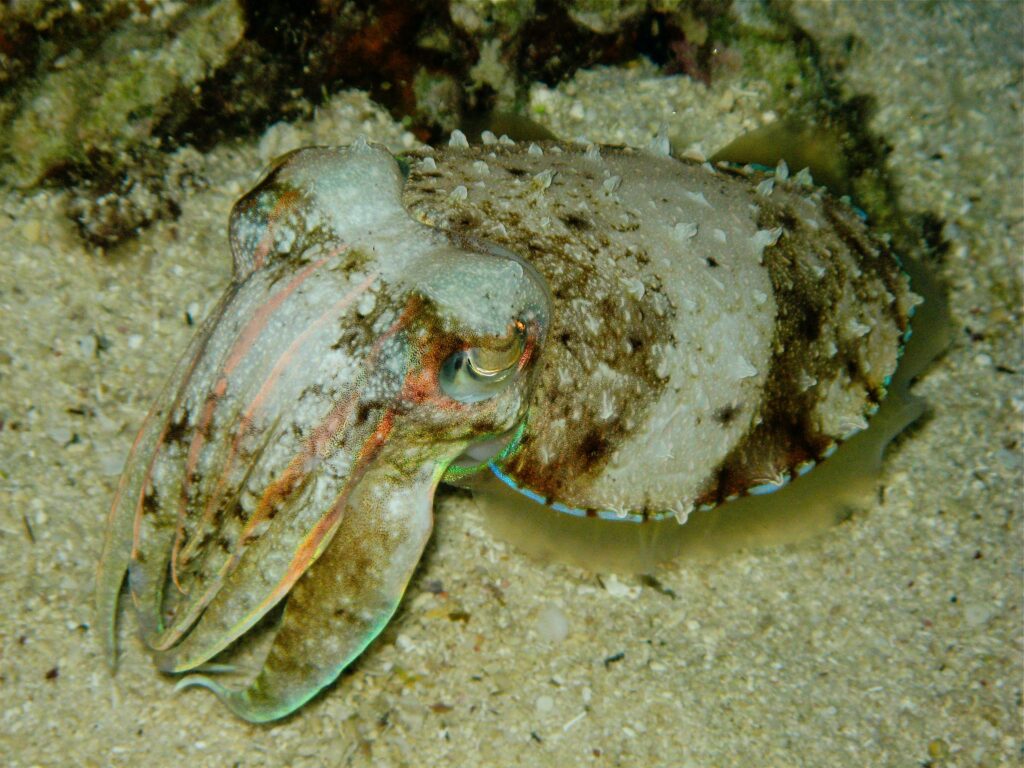
- The Trick: Unlike the seahorse, which is born to match one background, the cuttlefish can change its appearance in less than a second. It can match the color, pattern, and even the texture of the seafloor.
- The Science: Cuttlefish have specialized skin cells called chromatophores (color) and leucophores (light reflection). They also have papillae—tiny muscles on their skin that they can puff up to mimic the texture of rough rocks or seaweed.
Stick Insects Order: Phasmatodea
The Living Twig
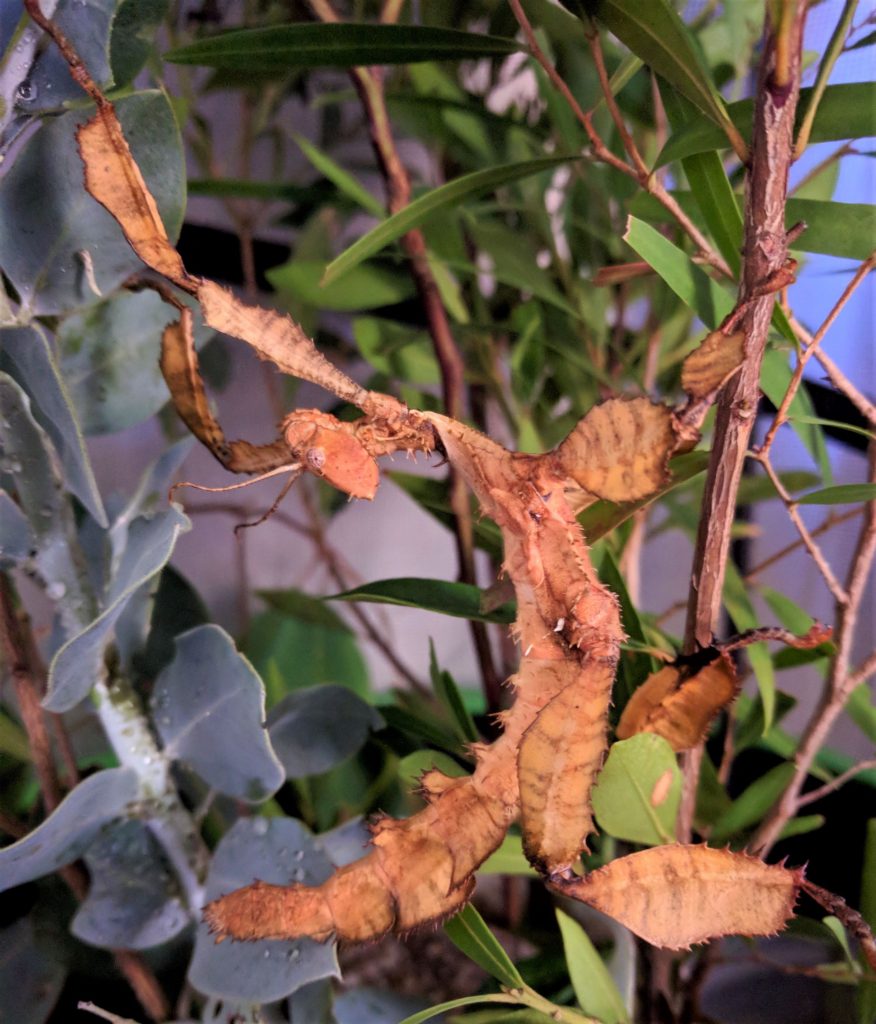
Australia has over 150 species of stick insects. From the leafy “Spiny Leaf Insect” to the long “Goliath Stick Insect,” these masters of disguise are common in backyards and bushland.
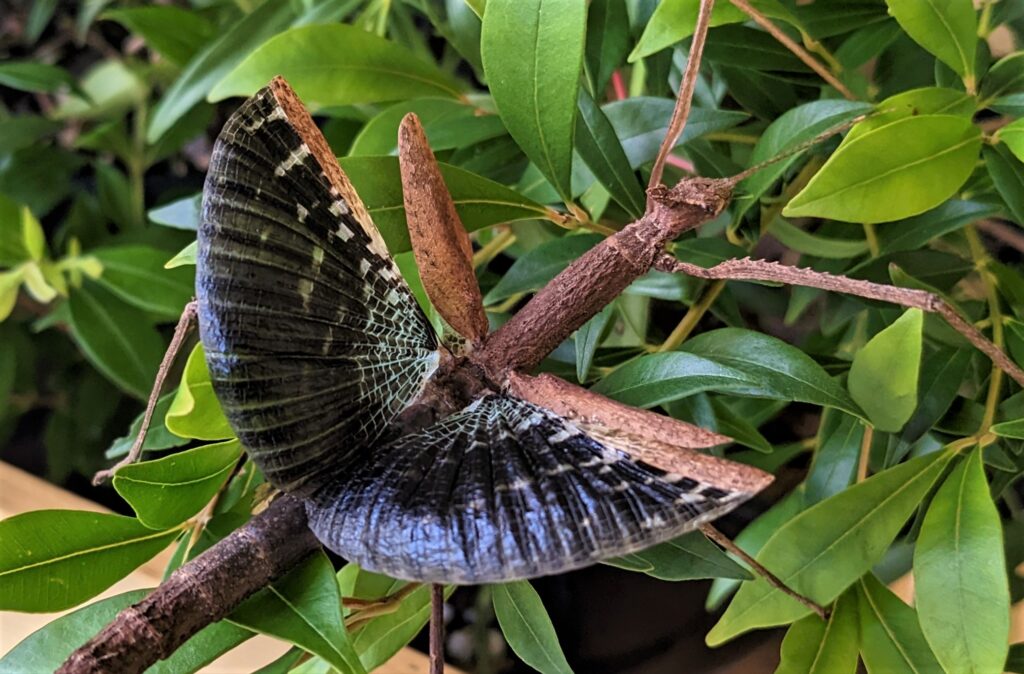
- The Trick: Stick insects use background matching. Their long, slender bodies look identical to the twigs of the Eucalyptus trees they live on.
- The Science: It’s not just about looks; it’s about movement. When a breeze blows, stick insects will rock back and forth. This mimics a twig swaying in the wind, making sure they don’t stand out by being too still!
Moths Order: Lepidoptera
The Art of the Bark
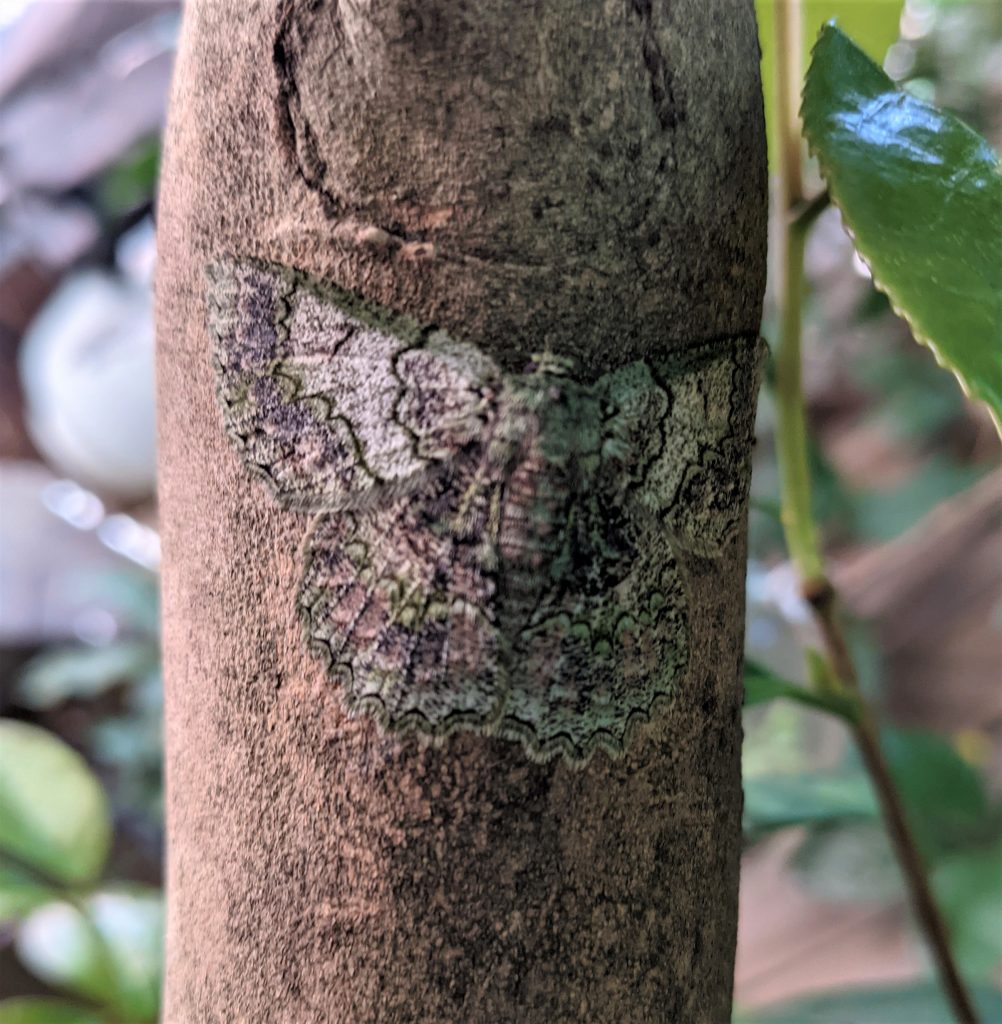
While butterflies are often bright and “showy,” many Australian moths have evolved to be nearly invisible during the day.
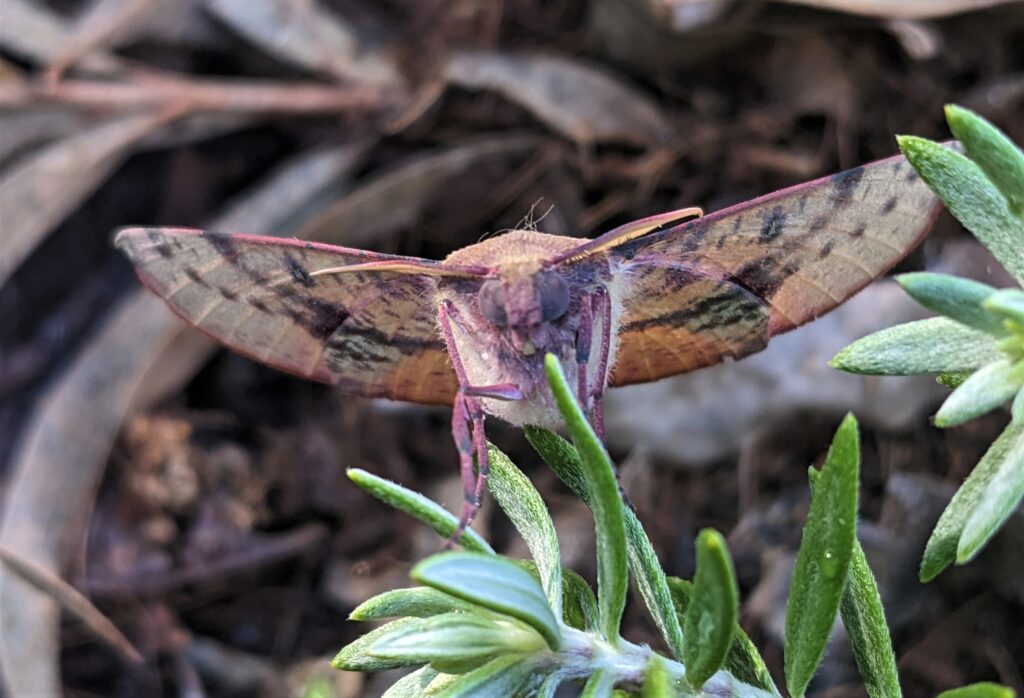
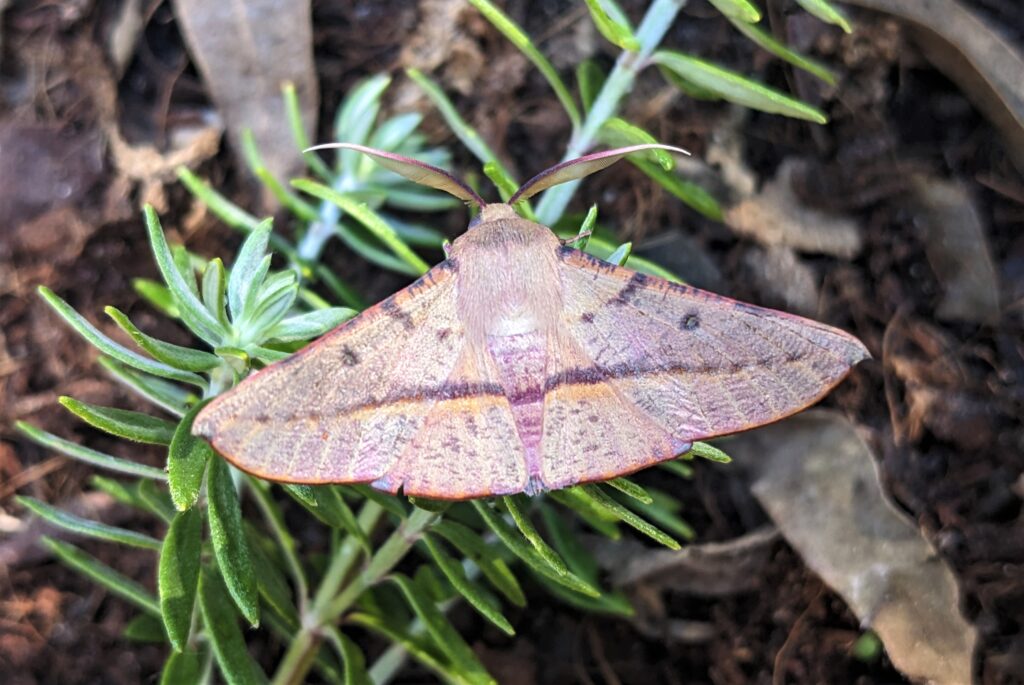
- The Trick: Many moths have wings that look like mottled grey bark, lichen, or dried leaves. When they rest on a tree trunk with their wings flat, their outlines disappear.
- The Science: This is called disruptive coloration. The patterns on their wings “break up” the silhouette of the moth’s body, making it hard for birds to recognize them as an insect.
Activity: “Hidden in the Yard”
- The Challenge: Give students “camouflage” colored toothpicks (green, brown) and “obvious” colored toothpicks (bright red, neon orange).
- The Task: Scatter them in a grass area. Give students 30 seconds to “prey” upon as many as they can.
- The Lesson: Compare how many bright vs. camouflaged toothpicks were found. Discuss why “survival” was higher for the green/brown ones.
Activity: “Adaptation Investigation”
- The Research: Have students research the Giant Cuttlefish and write a report on how its nervous system controls its chromatophores.
- Discussion: How might climate change (ocean acidification or warming) affect an animal’s ability to use camouflage?