Animal or plants don’t live in total isolation, to survive many species form close, long-term relationships with other organisms. These special partnerships are called symbiosis: from the Greek words meaning “living together”. Understanding symbiosis helps us see how interconnected our ecosystems are; from the smallest insects in your backyard to the vast expanses of the Great Barrier Reef.
What is Symbiosis?
Symbiosis describes a relationship where two different species live closely together. There are three main types of symbiotic relationships:
- Mutualism: Both species benefit. It’s a “win-win” situation!
- Commensalism: One species benefits and the other isn’t really affected – it’s not helped, but it’s not hurt either.
- Parasitism: One species benefits (the parasite) while the other is harmed (the host).
Spotlight on the Reef: The Anemonefish and the Sea Anemone
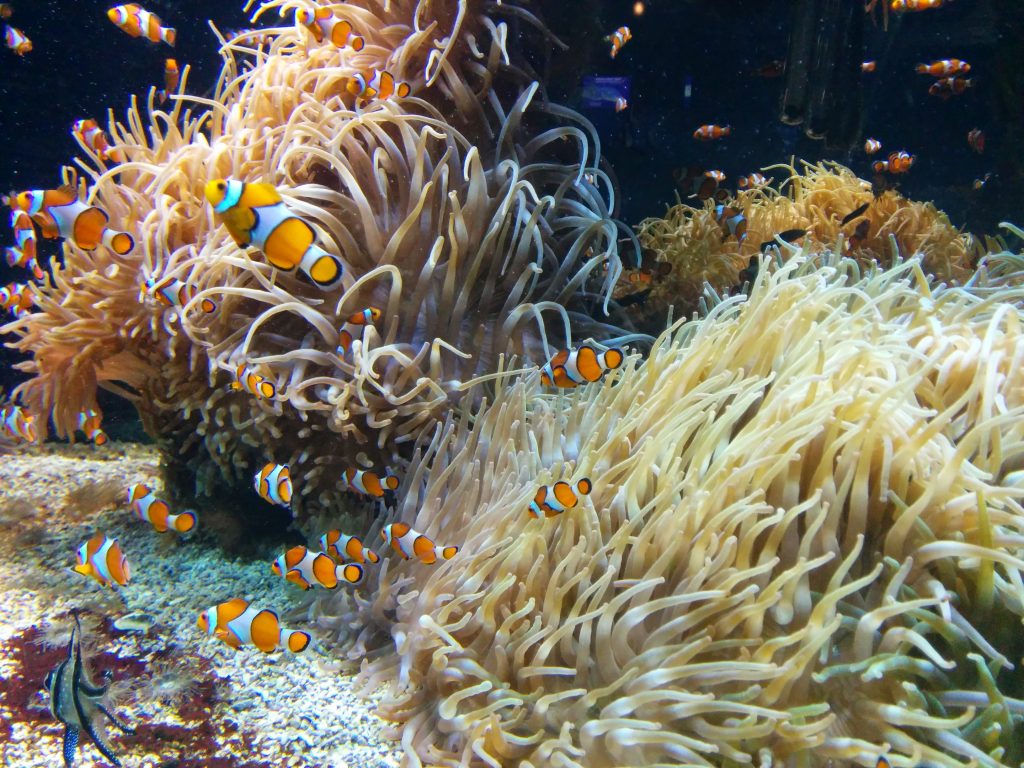
One of the most famous examples of mutualism in Australia can be found beneath the waves of our tropical reefs. The brightly coloured and famous Anemonefish (Clownfish) and Sea Anemone. Sea anemones are a predatory animal that looks like a plant and are covered in stinging tentacles used to capture prey.
At first glance, it seems like a dangerous place for a small fish to live! Most fish that touch an anemone are stung and eaten. However, the anemonefish has a special layer of mucus on its skin that protects it from the stings.
How the Anemonefish benefits:
- Protection: The stinging tentacles of the anemone provide a safe fortress. Larger predators stay away to avoid being stung.
- Food: The fish eats the leftovers from the anemone’s meals and nibbles on dead tentacles to keep the anemone clean.
How the Sea Anemone benefits:
- Defence: Anemonefish are surprisingly feisty! They will chase away butterflyfish and other species that try to eat the anemone’s tentacles.
- Nutrients: The waste produced by the fish provides essential nutrients (fertiliser) for the anemone.
- Aeration: As the fish swims through the tentacles, it increases water flow, helping the anemone breathe and stay healthy.
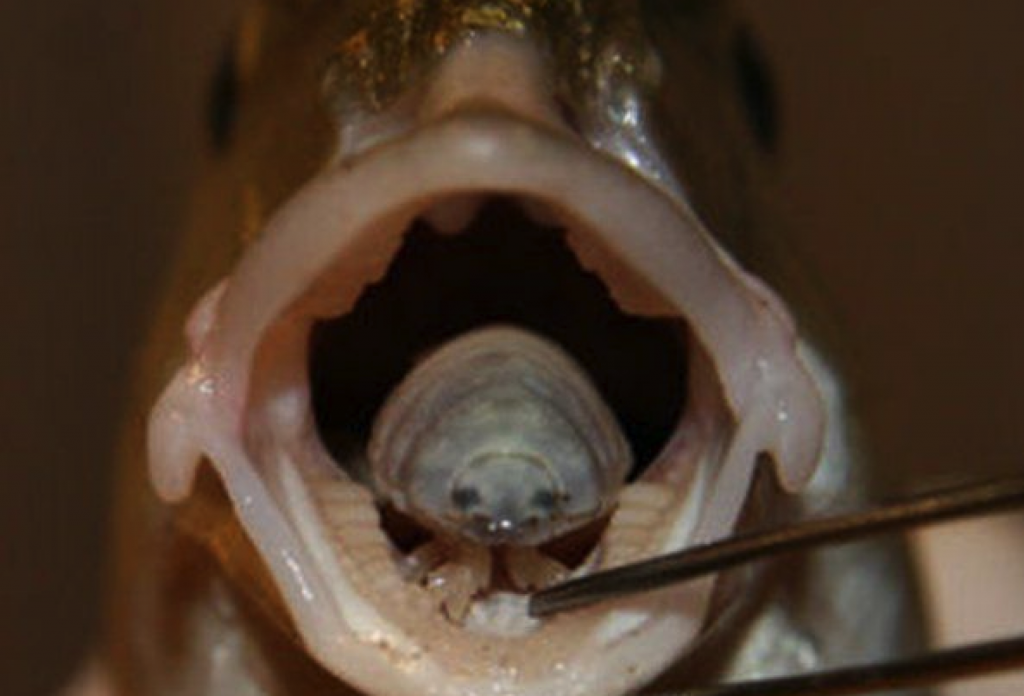
Another example is the fish tongue isopod relationship. This is a unique form of parasitic symbiosis, specifically involving the isopod Cymothoa exigua. The parasite enters the fish and causes its tongue to atrophy and fall off. Then functionally replaces it, feeding on blood and mucus while the fish continues to live with the parasite as its new tongue.
Why is Symbiosis Important?
Symbiotic relationships like this are the “glue” that holds ecosystems together. If one partner is removed—for example, if coral bleaching causes anemones to die—the anemonefish loses its home and protection, making it harder for the species to survive. By protecting our oceans and reducing our impact on the climate, we protect these amazing natural partnerships.
Become a Nature Detective!
You don’t need to go to the Great Barrier Reef to find symbiosis! Head into your garden or school playground and look for these:
- Lichens on trees or rocks: This is a mutualistic partnership between a fungus and an alga.
- Ants and aphids: Watch an aphid colony on a rose bush. Ants often “farm” the aphids for their sweet honeydew and protect them from ladybirds.
- Birds on cattle: Look for Cattle Egrets (white birds) following cows or kangaroos. As the large animals walk, they stir up insects for the birds to eat (Commensalism).
Classroom Discussion: Who Benefits?
Create a table with three columns: Species A, Species B, and The Relationship.
- Example: Mosquito and Human. (Parasitism – the mosquito gets a meal, the human gets an itchy bite!)
- Example: Shark and Remora fish. (Commensalism – the remora hitches a ride and eats scraps; the shark isn’t bothered).
Empowering students to discover the natural world through hands-on learning.